
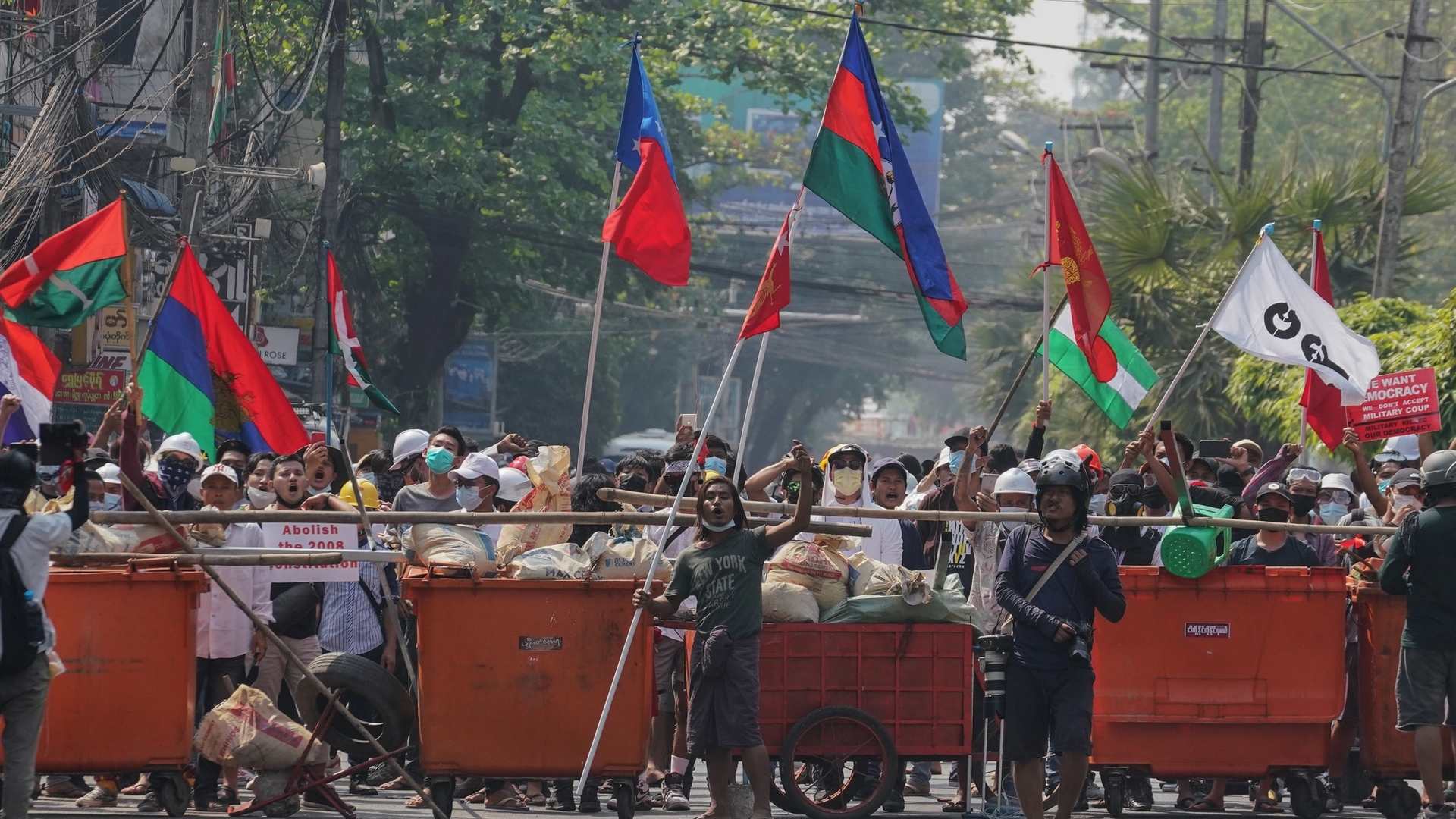
Aung Naing Soe, Defiant Streets (2021). Digital photograph, 9.76 × 14.63 in.
Blood of a New Generation: How Myanmar’s Youth Are Rewriting the Nation’s History
Author: Anonymous
Myanmar's history is written in blood. From royal wars and colonial conquest to British and Japanese occupation, the struggle for independence, and the 1988 uprising, each era leaves scars on the country's collective memory. The twenty-first century adds another brutal chapter: a civil war that stretches across generations and shows no sign of ending.
Yet this time, something is different. Today’s blood is not only that of soldiers, rebels, or political elites. It is the blood of Myanmar’s most precious — and most vulnerable — resource: its youth.
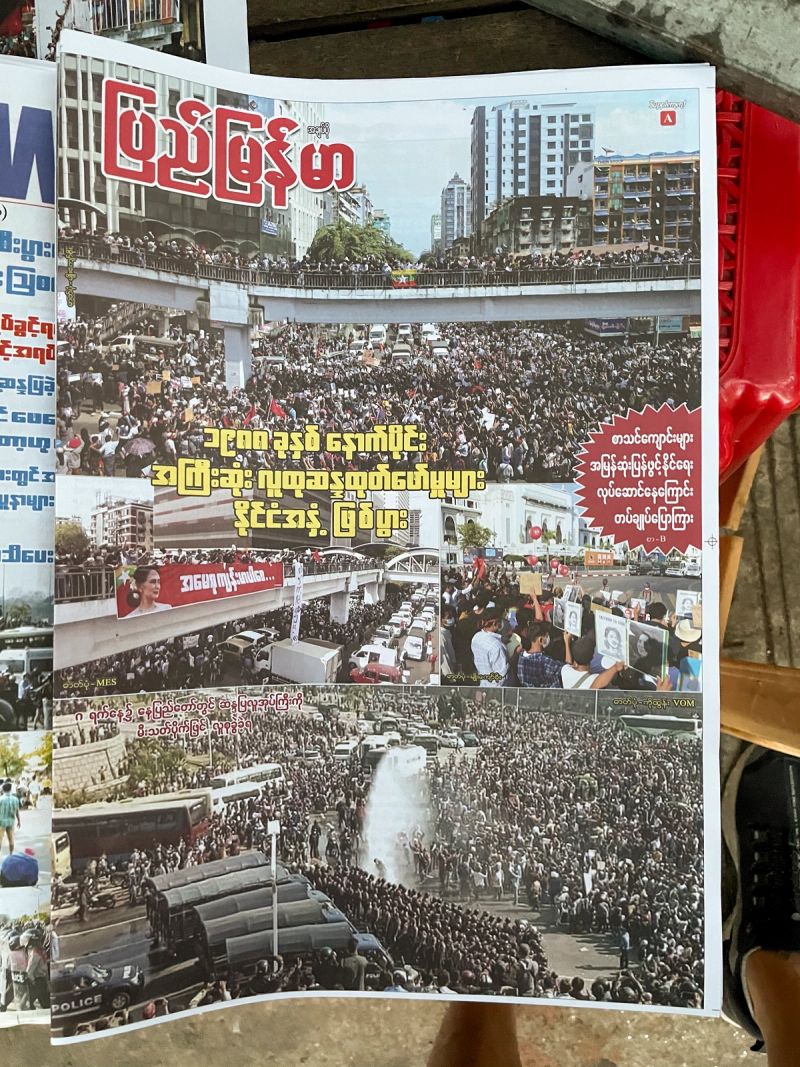
When the military seized power in February 2021, young people were the first to pour into the streets. Their now-famous message — "You've messed with the wrong generation" — is not just a slogan. It is a declaration that a new political force has arrived. Students, young professionals, young activists, and even teenagers have become the backbone of mass protests, digital resistance, community organizing, and, eventually, armed resistance.
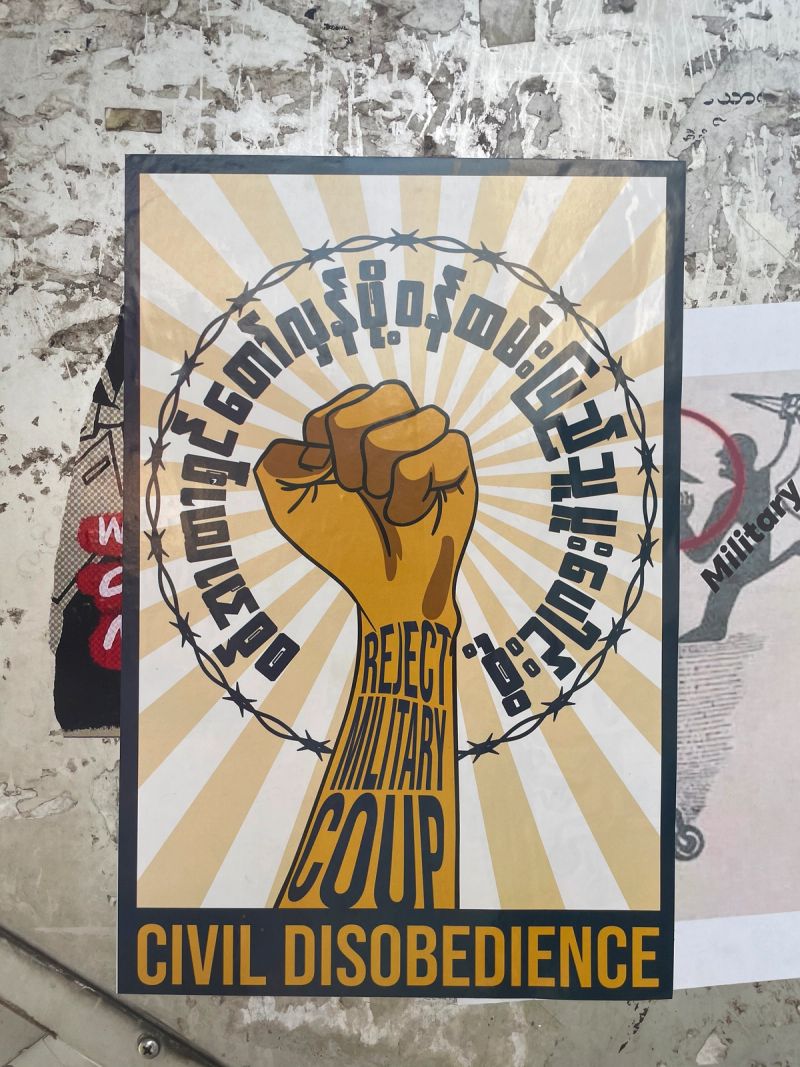
For many, politics is no longer an abstract debate among elites. It has become a matter of survival, dignity, and the future of their own lives. As repression intensifies, thousands of young people are forced to choose between silence, exile, prison, and resistance. Many choose resistance. This choice is further shaped by the military's forced conscription law, which continues to push countless young people to flee the country, go into hiding, or join armed groups to avoid recruitment.
In January 2026, when the military organized elections widely seen as designed to entrench its grip on power, young people again rejected the process. From their lived experience, the elections were widely viewed as a sham. For them, this was not simply about ballots and procedures. It was about who had the right to shape Myanmar's future. History, they argued, had already been paid for with their blood. Their voices, hopes, and dreams should not be excluded from building a new nation.
One young medical doctor involved in the Civil Disobedience Movement, whom this author spoke with in a border area, captured this reality simply: "My goal is to continue my medical career for the people of my country. But safety must be part of that future." For her, the idea of returning home under current conditions was not a plan. It was a distant hope — one that had little to do with the military's election claims.
This struggle was not only unfolding on the streets or in the jungles. It was also taking shape in quieter, less visible spaces: youth networks, informal resistance efforts, humanitarian corridors, encrypted chat groups, underground classrooms, and emerging political forums where a new generation debated what a future Myanmar should look like.
A Militarized Country, a Politicized Generation
Since the coup, Myanmar has become one of the most militarized societies in the region. For young people, militarization is not an abstract concept. It is daily life: checkpoints, airstrikes, forced displacement, trauma, and the constant fear of forced recruitment. The expansion of conscription — targeting males under 35 and females under 27 — pushes militarization deeper into homes, families, and personal decisions.
In response to the violent suppression of peaceful protests, more than 300 People's Defense Force battalions — largely made up of youth — now operate across the country, with or without formal affiliation to the National Unity Government. More than five years into this crisis, the military's authority remains deeply contested. Large areas are under the control of resistance forces and long-established ethnic revolutionary organizations. Peace is not on the horizon. It is a fragile idea, spoken of quietly, like a rumor. But the struggles of young people are a reality.
Elections alone do not offer a political solution. Genuine progress begins by recognizing and engaging a constituency that is paying the highest price and yet is still too often sidelined: Myanmar's youth.
History, Repeating — and Being Challenged
Myanmar's history offers a reminder of what youth leadership can achieve. Young leaders like Aung San spearheaded the independence movement and shaped the birth of the nation. Today's generation carries that legacy, but also pushes beyond it. Many advocate for a federal democratic future that seeks to dismantle the structures that have produced decades of war.
At the same time, youth were opening conversations that had once been forbidden. Many acknowledged past injustices against the Rohingya and offered public apologies — a profound shift from decades of silence, denial, and fear. Youth also championed LGBTQ+ rights and supported women-led resistance groups, reframing the struggle not only as a fight against military rule, but as a deeper effort to build a more equal, inclusive, and humane society.
For this generation, the revolution is not only about removing a regime. It is about redefining the moral and political meaning of Myanmar itself.
An ‘Old Men’s’ Peace Process Meets a New Generation
For decades, Myanmar's peace process has been dominated by a familiar cast: senior military figures, ethnic armed organization leaders, veteran politicians, and international donors. Decisions have been made behind closed doors. Young people have been expected to watch, wait, and accept the outcomes.
Many young activists now describe this bluntly as an "old men's problem." Older generations have tried — and failed — to resolve the country's conflicts through elite bargains. The result is the world's longest-running civil war. From a youth perspective, continuing with the same methods promises only repeated mistakes. As many claim, "the method itself is now a rumor in practice."
Young people refuse to remain on the margins. They push for a different role: contributing to resistance, shaping public debate, and organizing at the community level — particularly in resistance-controlled areas such as central Myanmar, Karenni, and Kachin. The goal is not to erase older leadership, but to shake a stagnant system with new energy, new thinking, and new political imagination.
What is becoming increasingly clear is this: Myanmar's conflict is not only military or ethnic. It is generational. A country shaped by war excludes the very generation that will live with its consequences the longest.
From Risk to Resistance
Even before the coup, youth participation in political and peace-related spaces was treated as a risk. When young people spoke up, they were met with familiar questions: Who do you represent? Why should we listen to you?
Those questions reveal a deeper truth. Youth are not seen as political actors in their own right. They are told, implicitly and explicitly, to wait their turn.
February 1, 2021, shattered that expectation. The coup destroyed not only an elected government, but also an already fragile peace architecture. Major ethnic armed organizations withdrew from military-led talks. Formal negotiation platforms lost credibility. In their place, new political and federal structures have begun to emerge — in exile, underground, and in contested territories.
Youth do not retreat. They adapt. Youth engagement is not defeated by the coup. It is transformed.
The Generation That Refuses to Be Silent
Myanmar's youth were no longer waiting for permission to shape history. They were already doing it — in protests, in resistance, in humanitarian response, and in emerging political spaces. For many, the military's election was not just illegitimate. It was utterly irrelevant.
Their blood, their courage, and their commitment were becoming part of the nation's political foundation. Any future political settlement that ignored them was not only unjust. It was unrealistic.
The question was no longer whether youth should be involved. The question was whether Myanmar's political systems — old and new — were willing to recognize what was already true: the future of the country was being written by a generation that refused to be silent, refused to be excluded, and refused to accept a history decided without them.
For the first time in generations, Myanmar's youth were not waiting outside the door. They were already in the room.
The author of this piece writes anonymously. They operate in or near an active conflict zone where identification could result in detention, harm, or death. In accordance with THROAT's Do No Harm policy, we protect the identities of contributors whose safety would be compromised by publication. The analysis, reporting, and perspectives in this piece are editorially verified. The byline is withheld so the work can exist at all.
Artworks by Aung Naing Soe
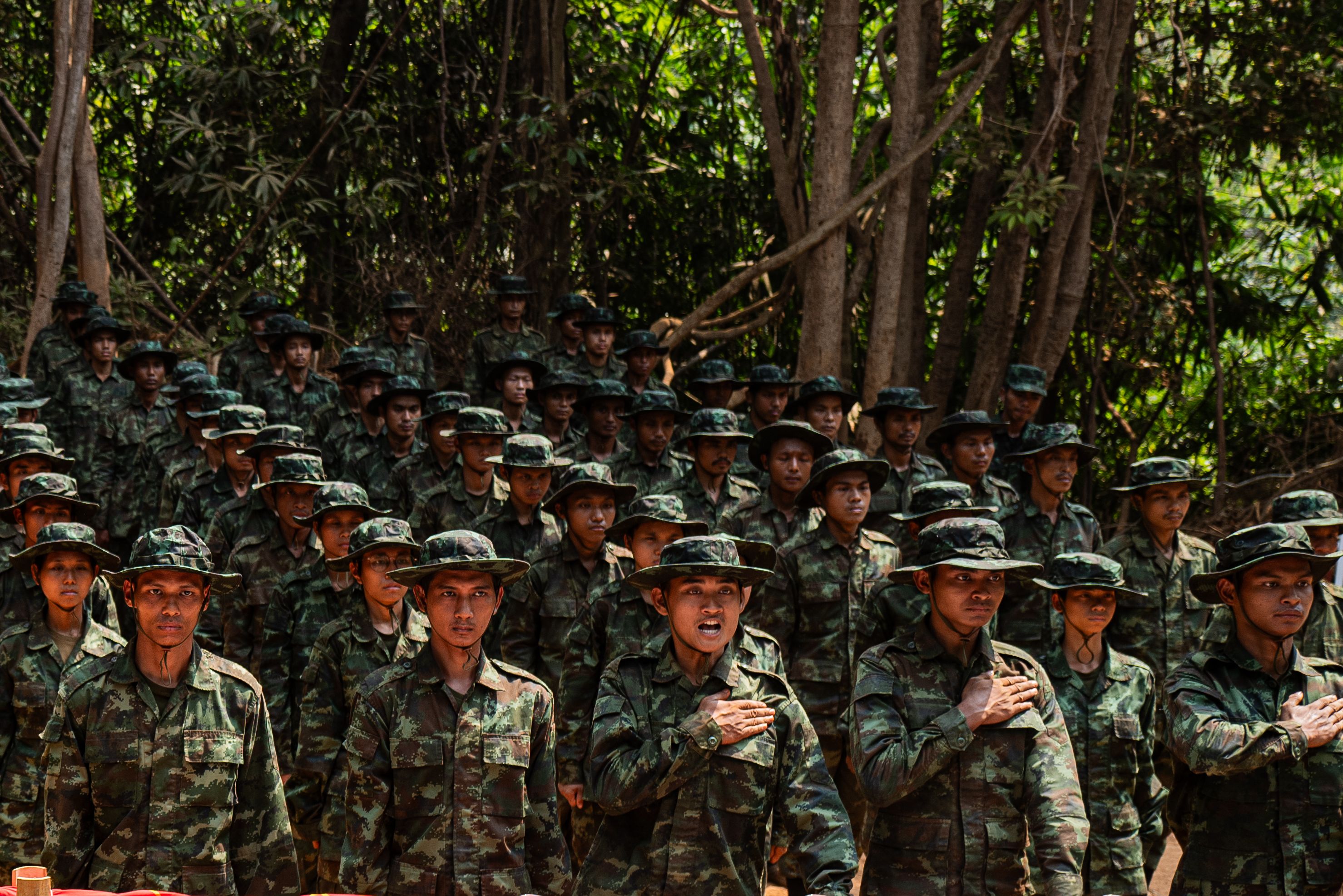
Oath of Resistance: BPLA Recruits Take Oath in Myanmar’s Jungle, Aung Naing Soe, 2,957x1,973 px, 2024
Digital Image
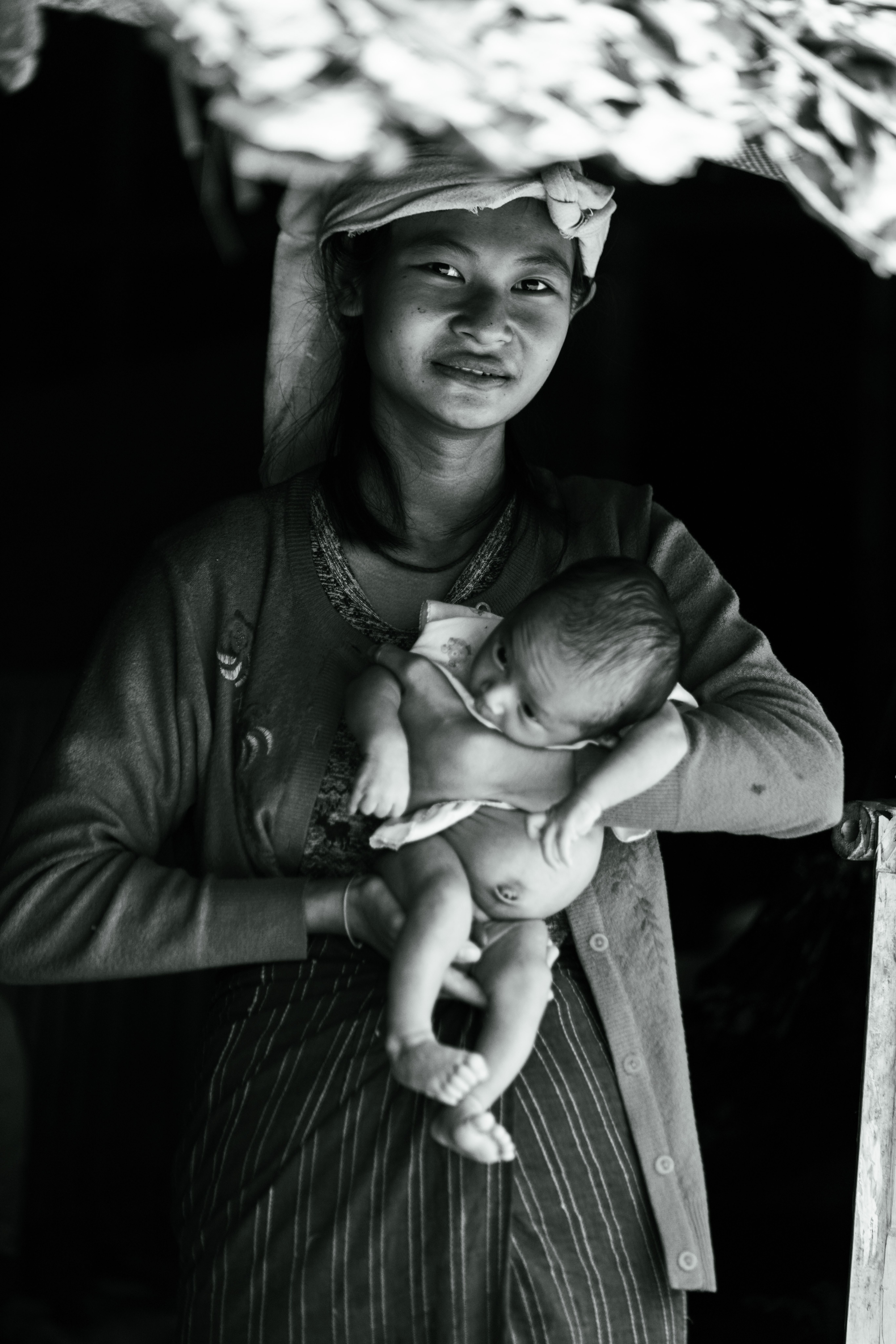
Mother and Newborn at the Karen IDP Border Camp , Aung Naing Soe, 6529x9789 px, 2023
Digital Image
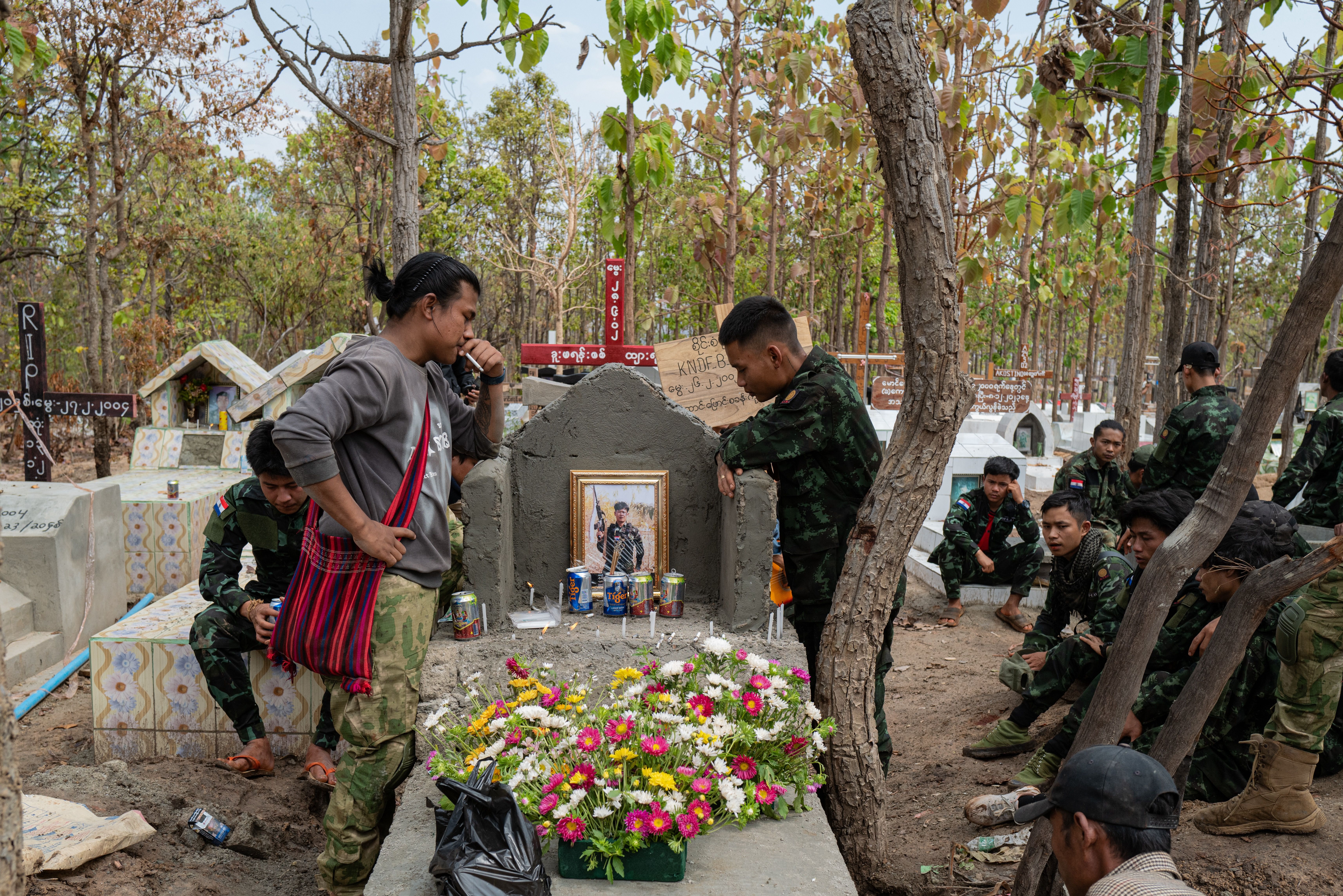
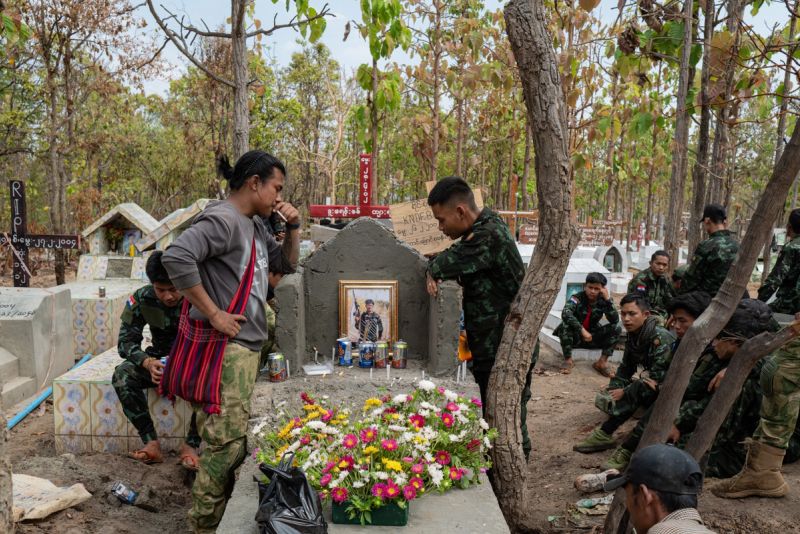
Paying Respect to the Fallen, Aung Naing Soe, 6856x4575 px, 2021
Digital Image
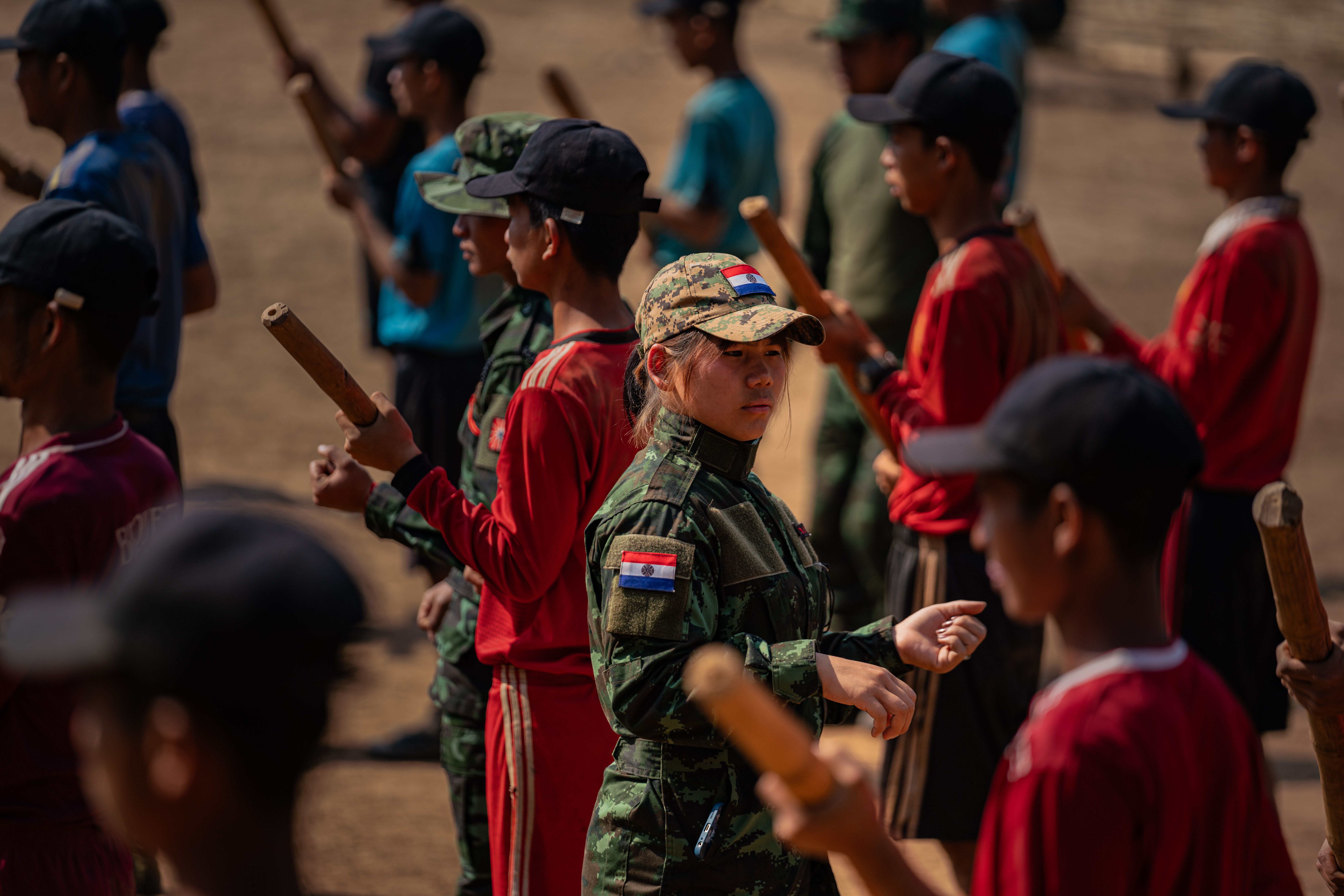
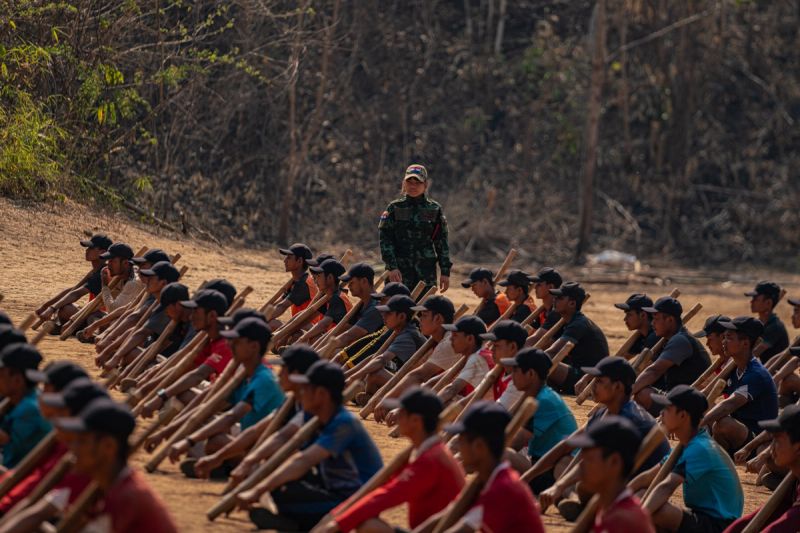
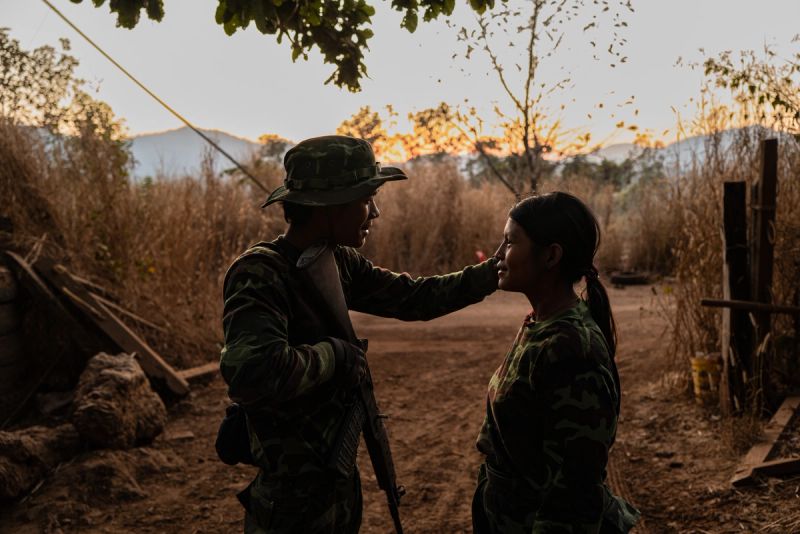
Discipline & Defiance: Female Officer Trains Recruits at KNDF Boot Camp, Aung Naing Soe, 7847x5231 px, 2024
Digital Image
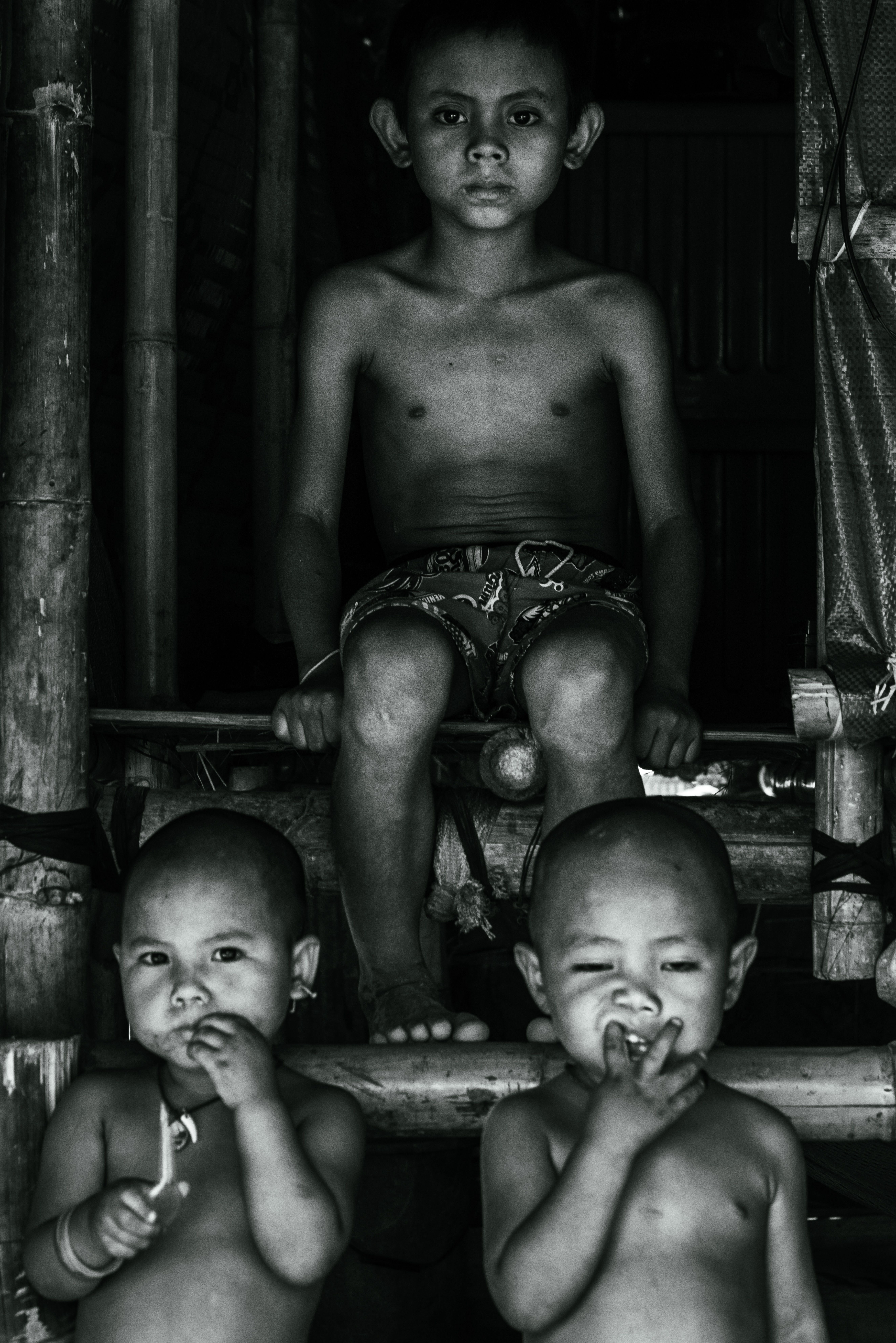
Children of the Border, Aung Naing Soe, 5294x7936 px, 2022
Digital Print
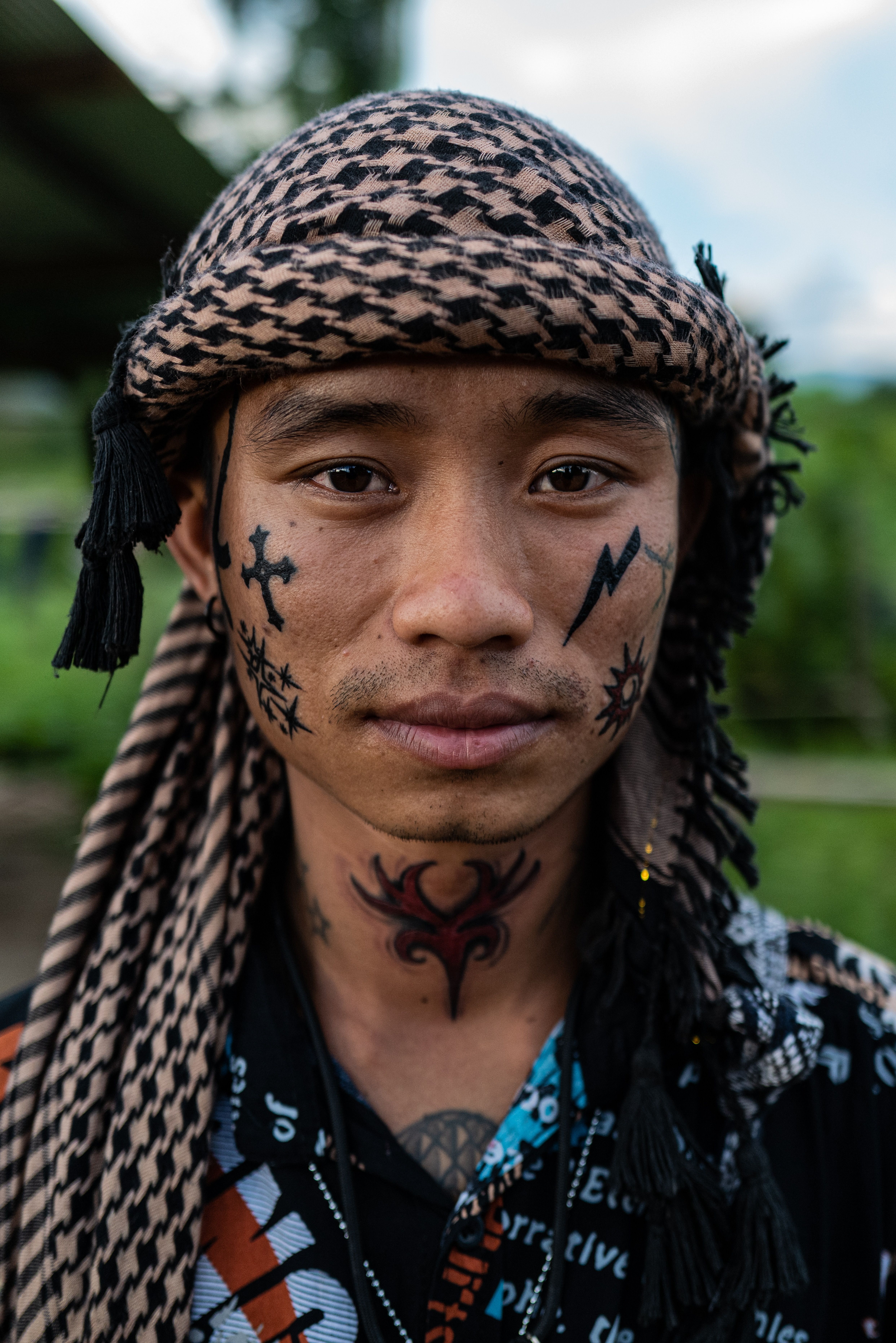
Face of Defiance: Portrait of a Tattooed Karen Fighter in Myanmar’s Borderlands, Aung Naing Soe, 4968x7445 px, 2023
Digital Print
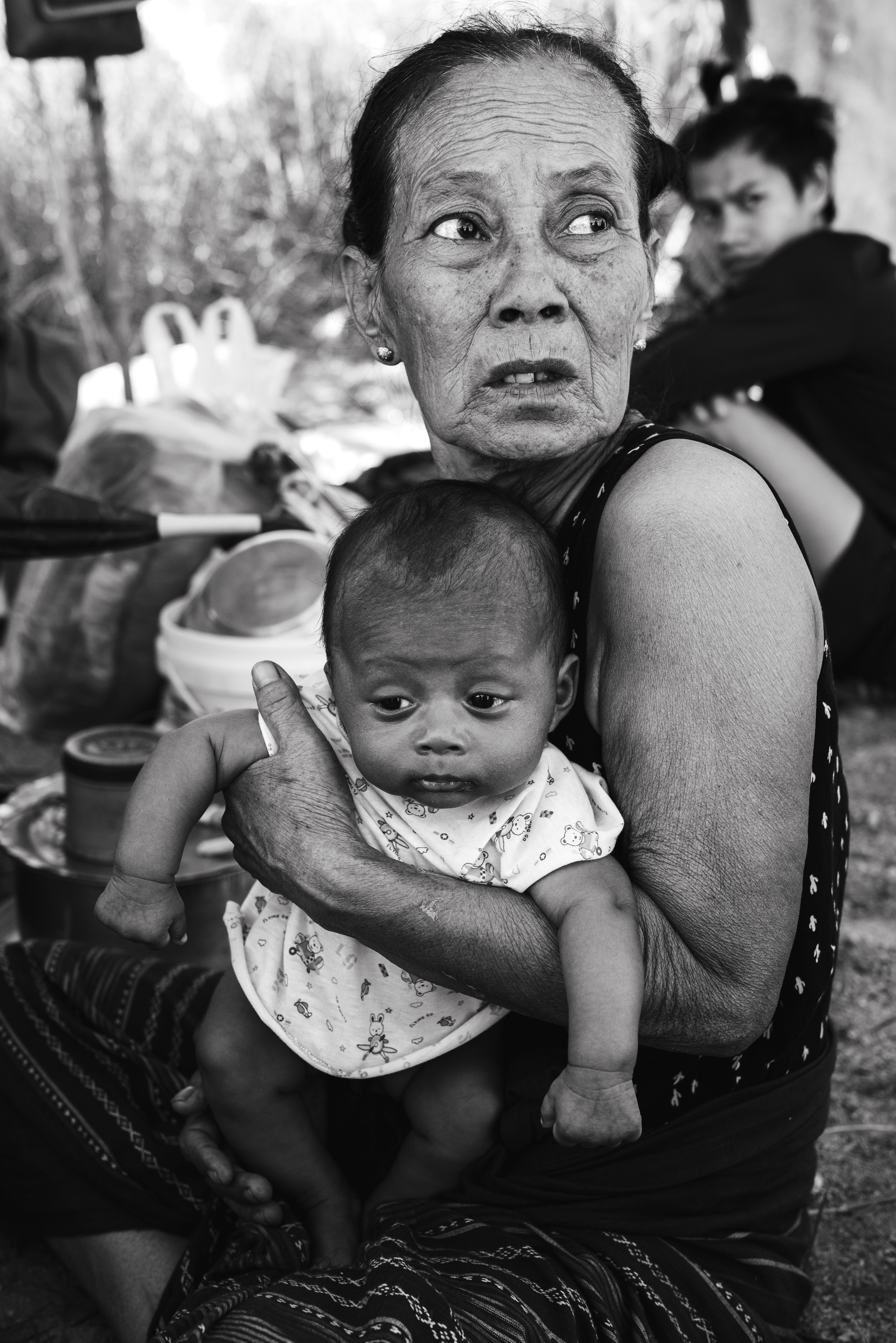
Generations in War: Displaced Bamar Grandmother and Infant on the Thai Myanmar Border, Aung Naing Soe, 4658x6980 px, 2021
Digital Print
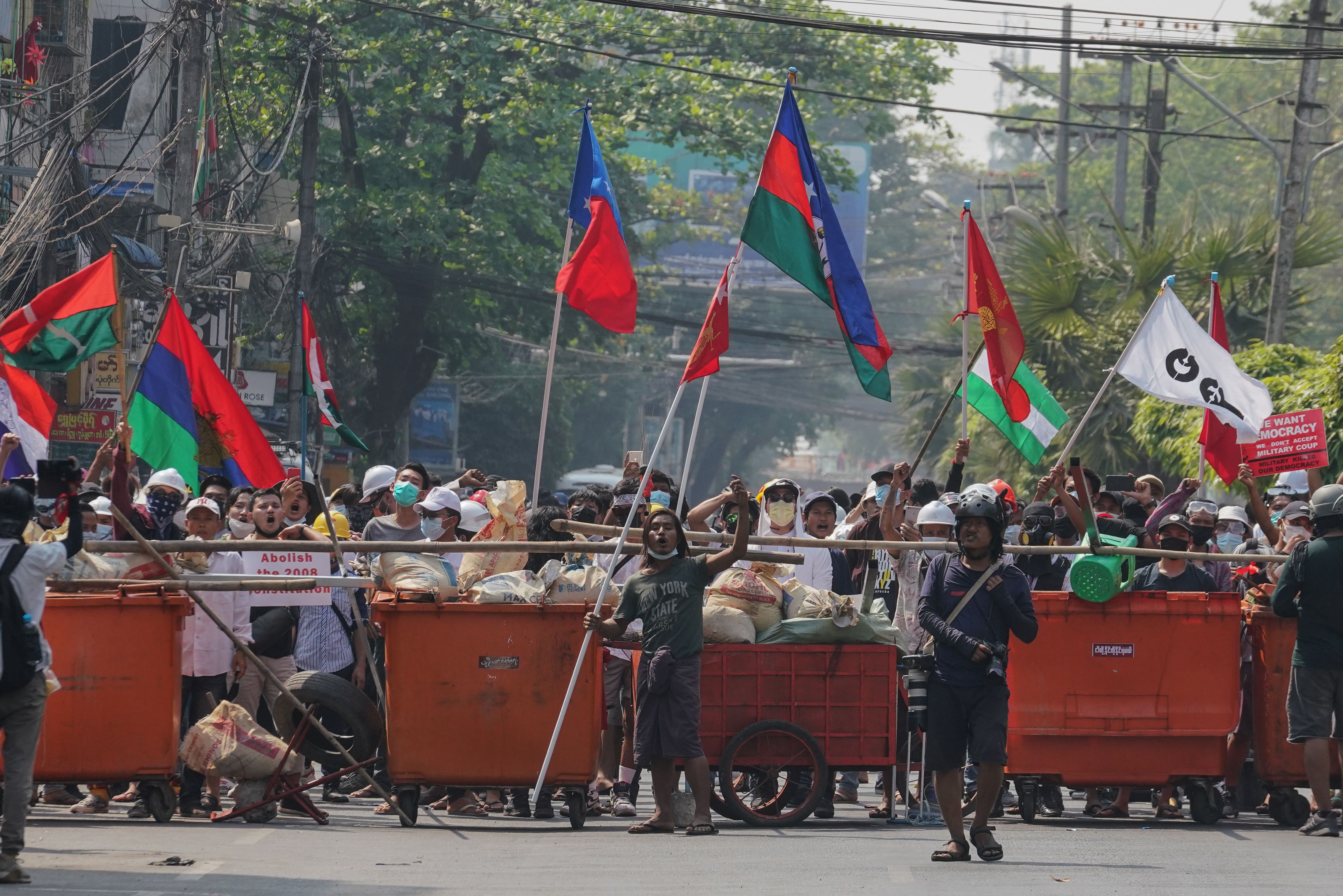
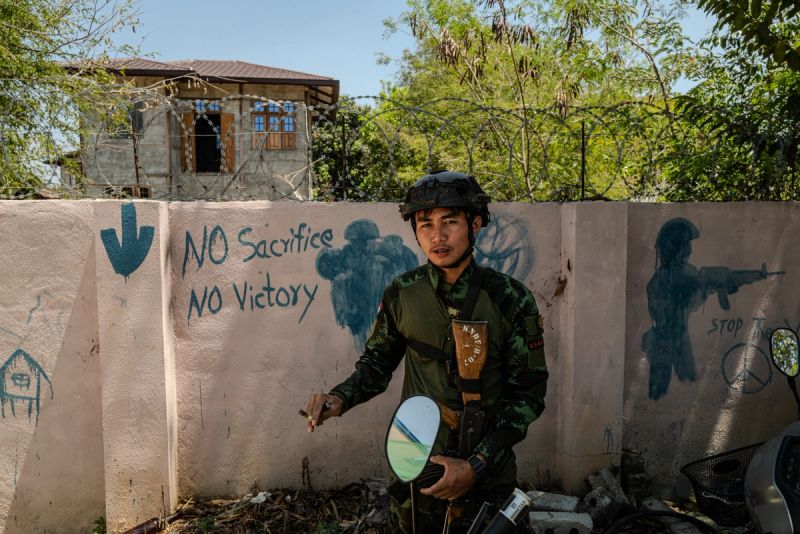
Defiant Streets: Myanmar Coup, Aung Naing Soe, 4388x2928 px, 2021
Digital Image
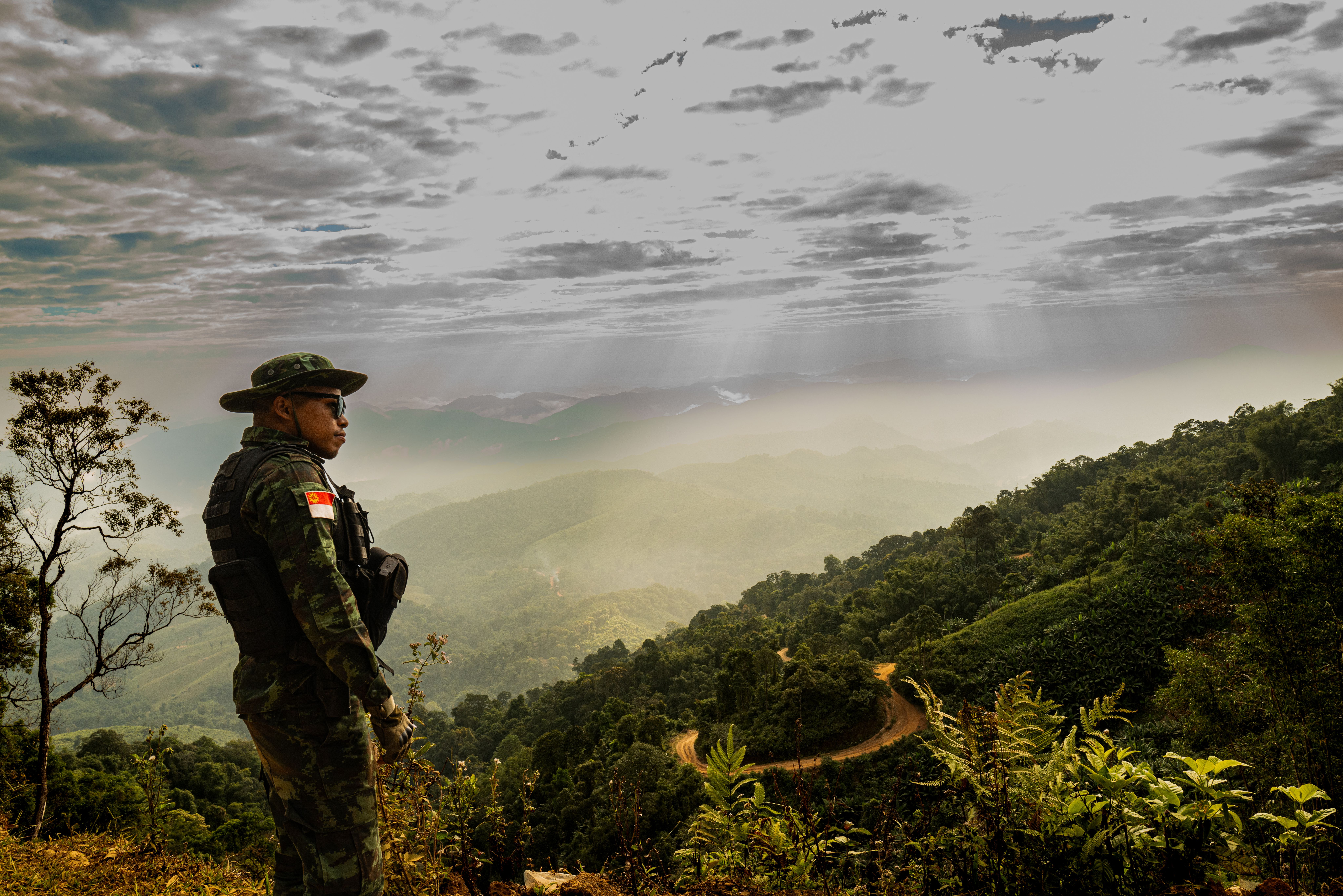
Overlook of Resistance: Han, Deputy Commander of the Burma People’s Liberation Army (BPLA) in Karen State, Myanmar, Aung Naing Soe, 8368x5584 px, 2024
Digital Image
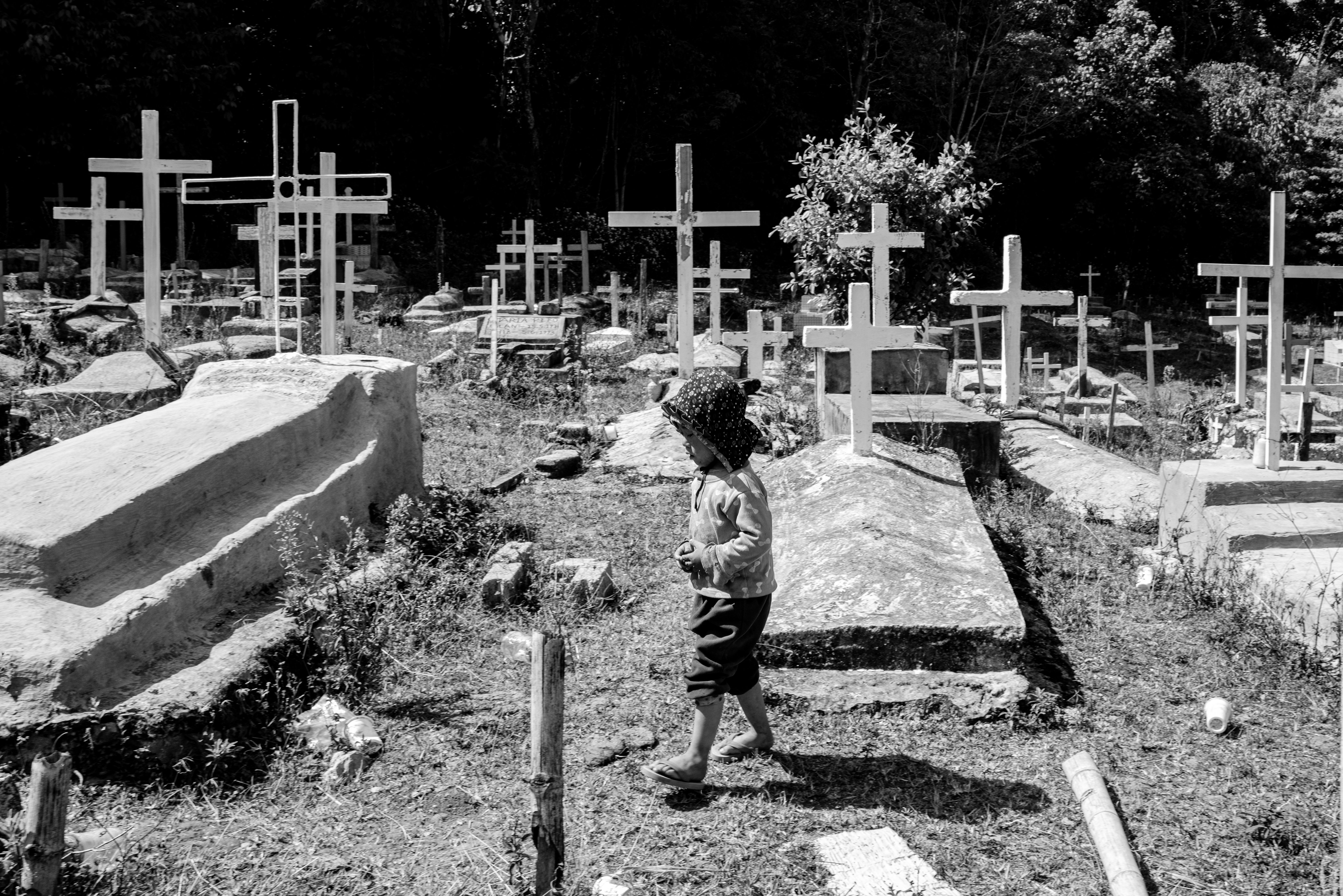
Walking with the Departed, Aung Naing Soe, 6,548x4,370 px, 2024
Digital Print
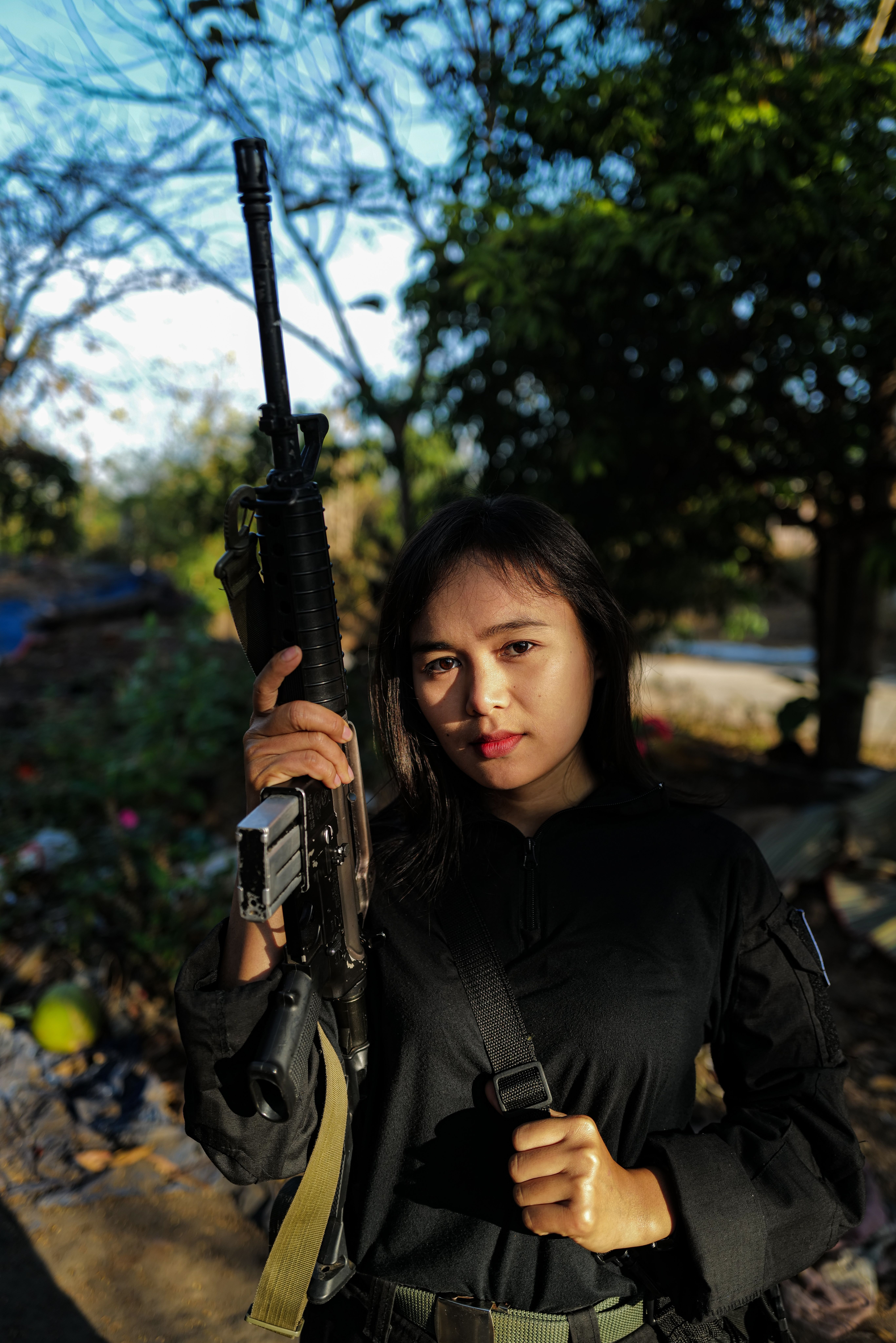
Defiant and Unseen: Female Karen Soldier, Aung Naing Soe, 5,584x8,368 px, 2022
Digital Print
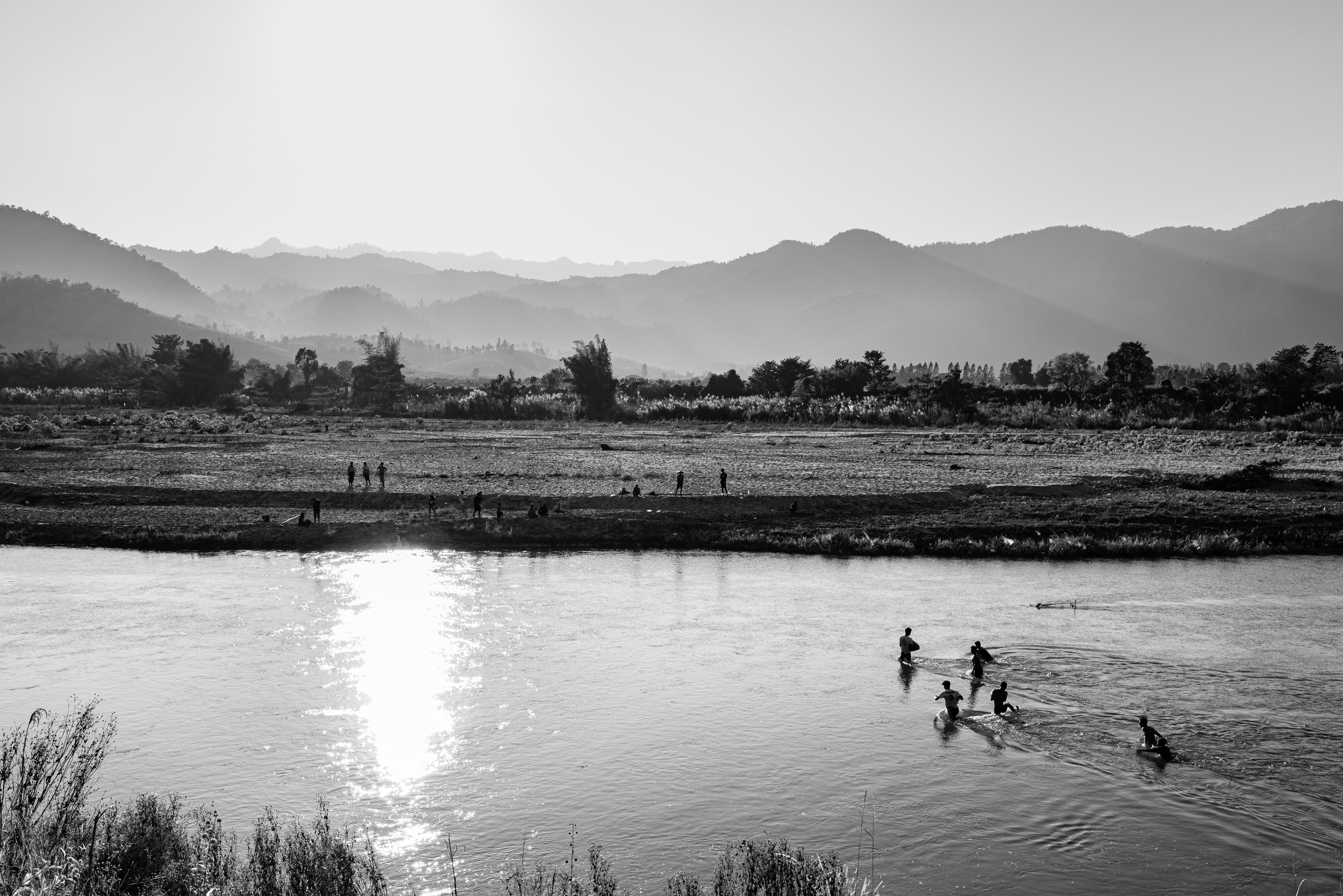
Crossing Into Uncertainty: Displaced Local from Myanmar Forage Across the Moei River, Aung Naing Soe, 8666x5783 px, 2022
Digital Image
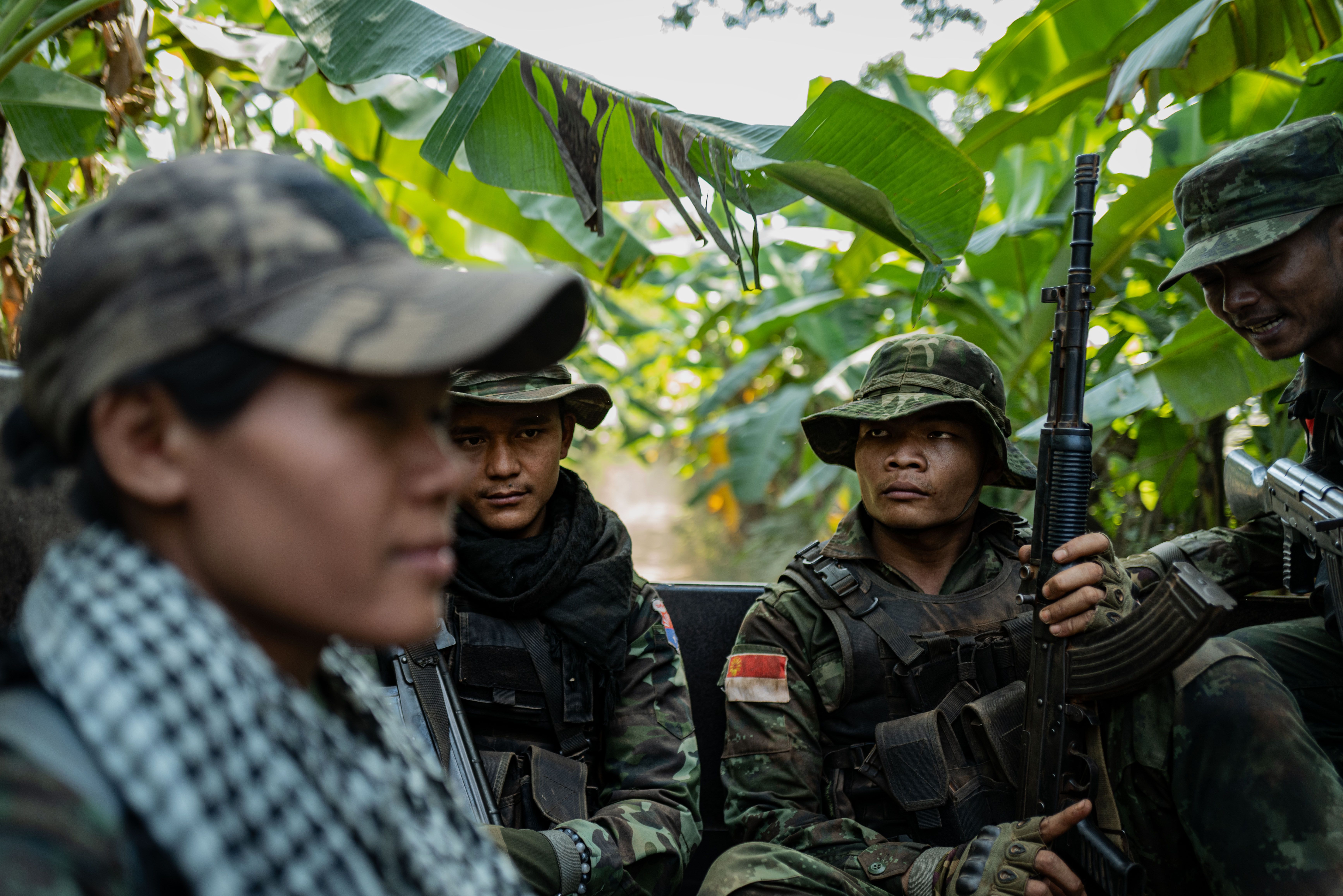
BPLA Fighters Navigate the Terrain of Resistance in Myanmar, Aung Naing Soe, 6,938x4,630 px, 2024
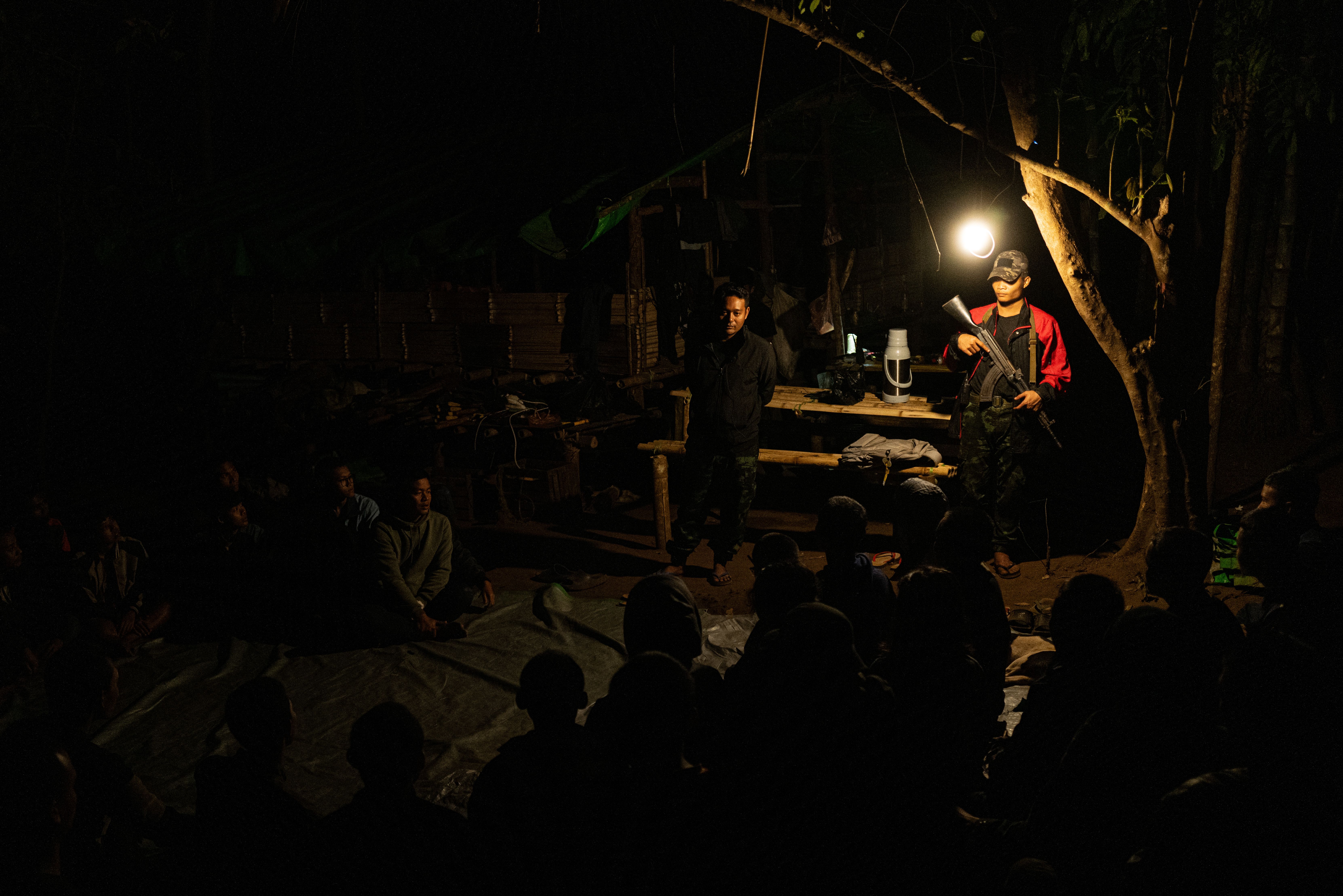
Verses in the Shadows: Maung Saungkha Reads Poetry to BPLA Recruits, Aung Naing Soe, 6646x4435 px, 2024
Digital Image
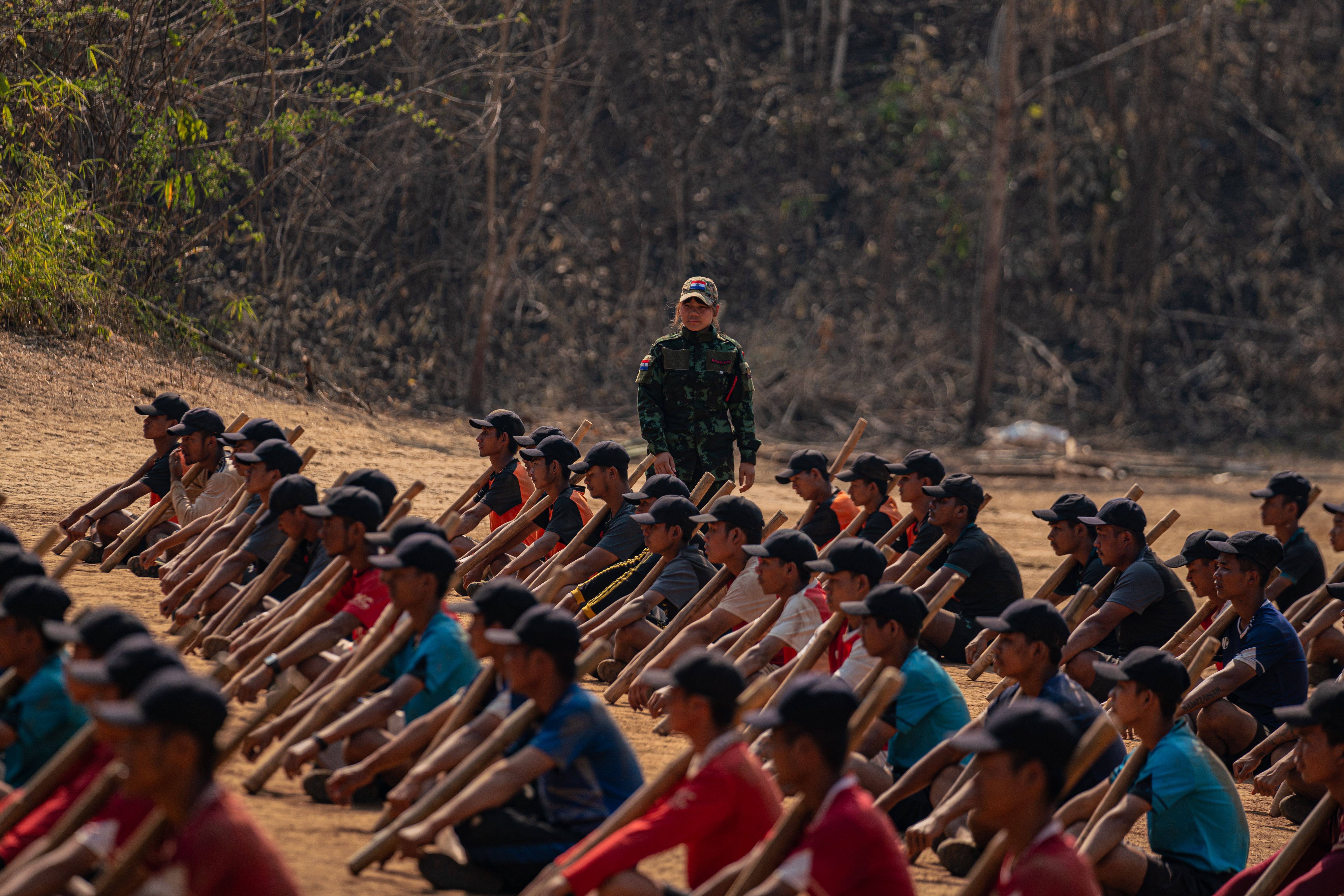
Female Officer Trains Recruits at KNDF Boot Camp, Aung Naing Soe, 6,764x4,509 px, 2024
Digital Print
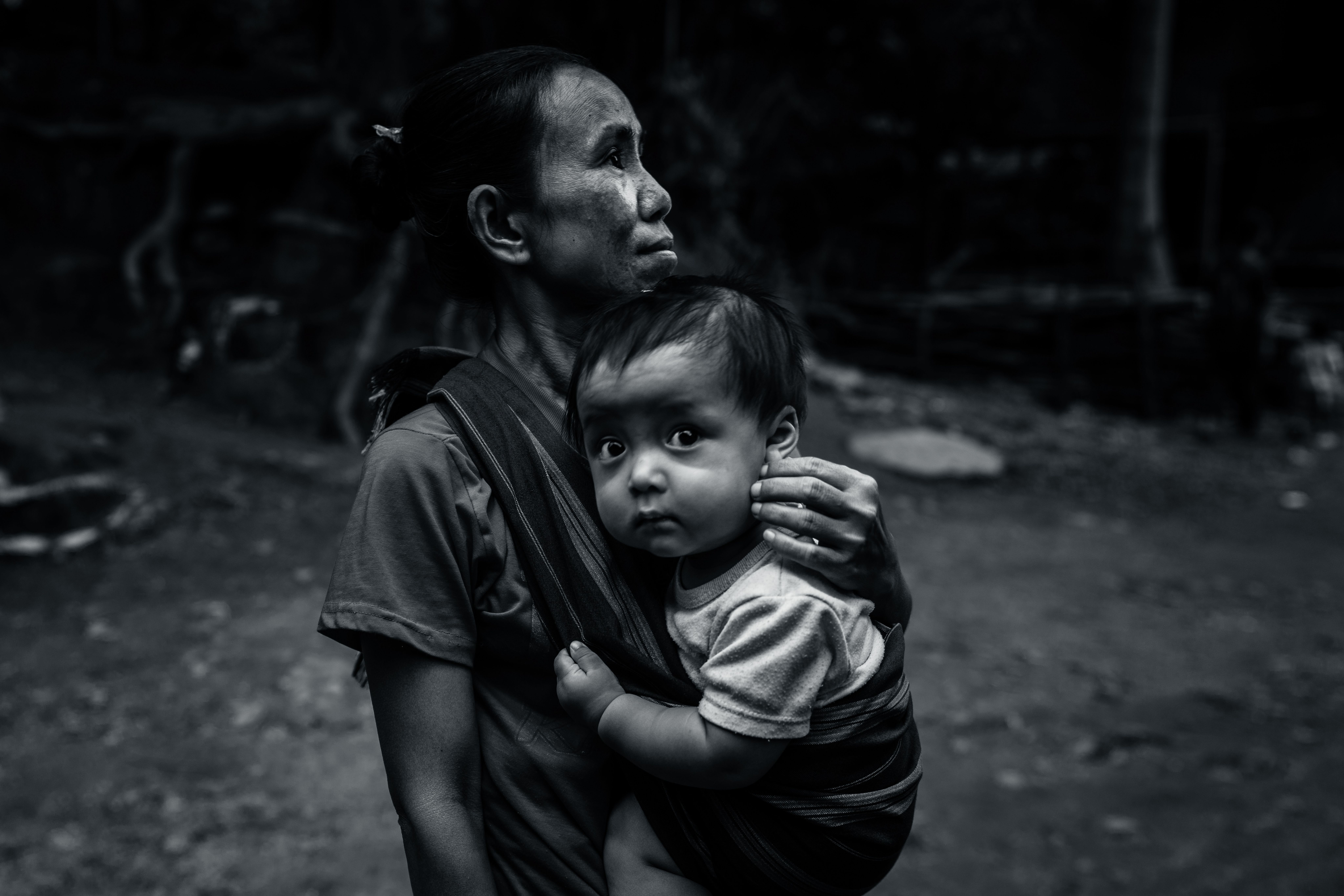
Mother and Child on the Myanmar Thai Border, Aung Naing Soe, 8709 x5806 px, 2021
Digital Image
Other Stories


STAY UPDATED
Sign up to be the first to find out when new stories and merch drop on THROAT. We respect your privacy and will never share your information with any third-party vendors. For real.