
STORIES
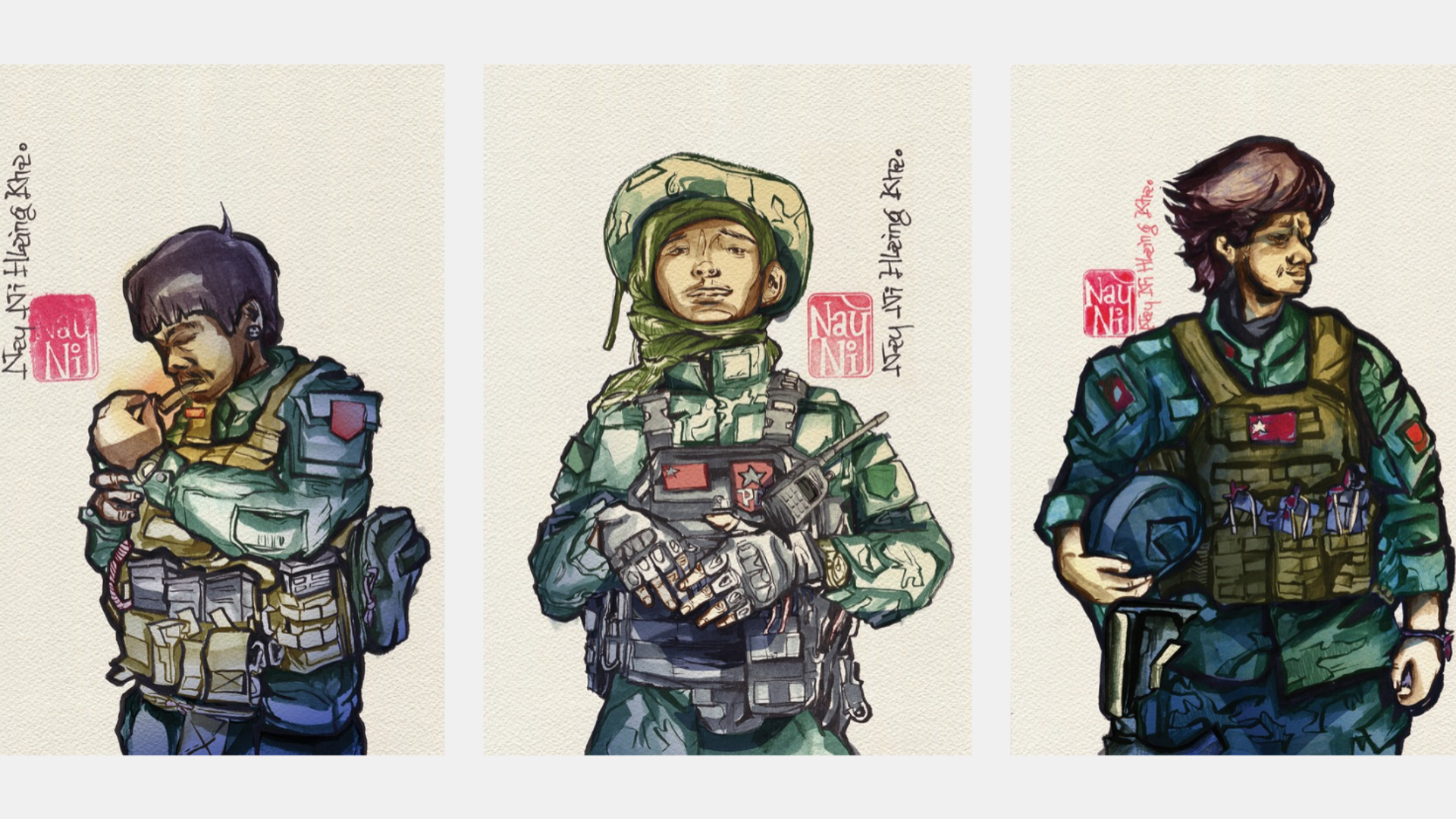
Myanmar’s Artists: Creativity Amid War and Exile
In a country unraveling under military rule, the artists who once dared to speak now whisper—or fall silent. Some paint in exile, struggling to summon inspiration while navigating survival jobs and cultural dislocation. Others, still in Myanmar, work behind closed doors, knowing that a single brushstroke deemed political can lead to prison. “I can afford the materials,” Emily Phyo, a feminist artist now living in Texas, told me. “But I can’t afford to feel.”
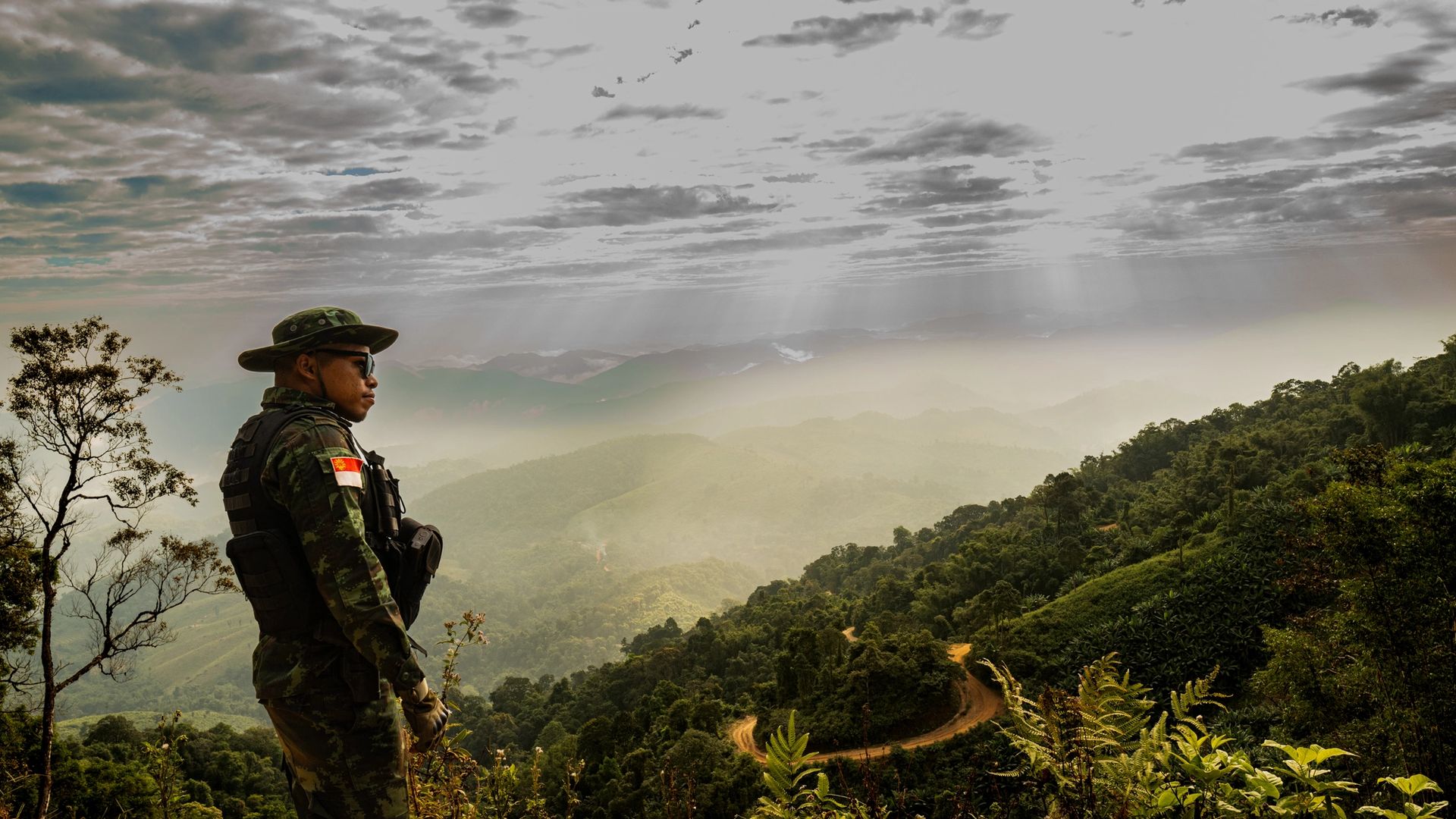
Frontline Poets: Myanmar’s Unlikely Fighting Warriors
Throughout Myanmar’s turbulent past, its poets have weaponized language in the struggle against oppressive regimes. Now, Joe Freeman and Aung Naing Soe have gathered the work of a new generation of literary dissidents in a book that offers an intimate, unflinching perspective on the country’s troubled present.

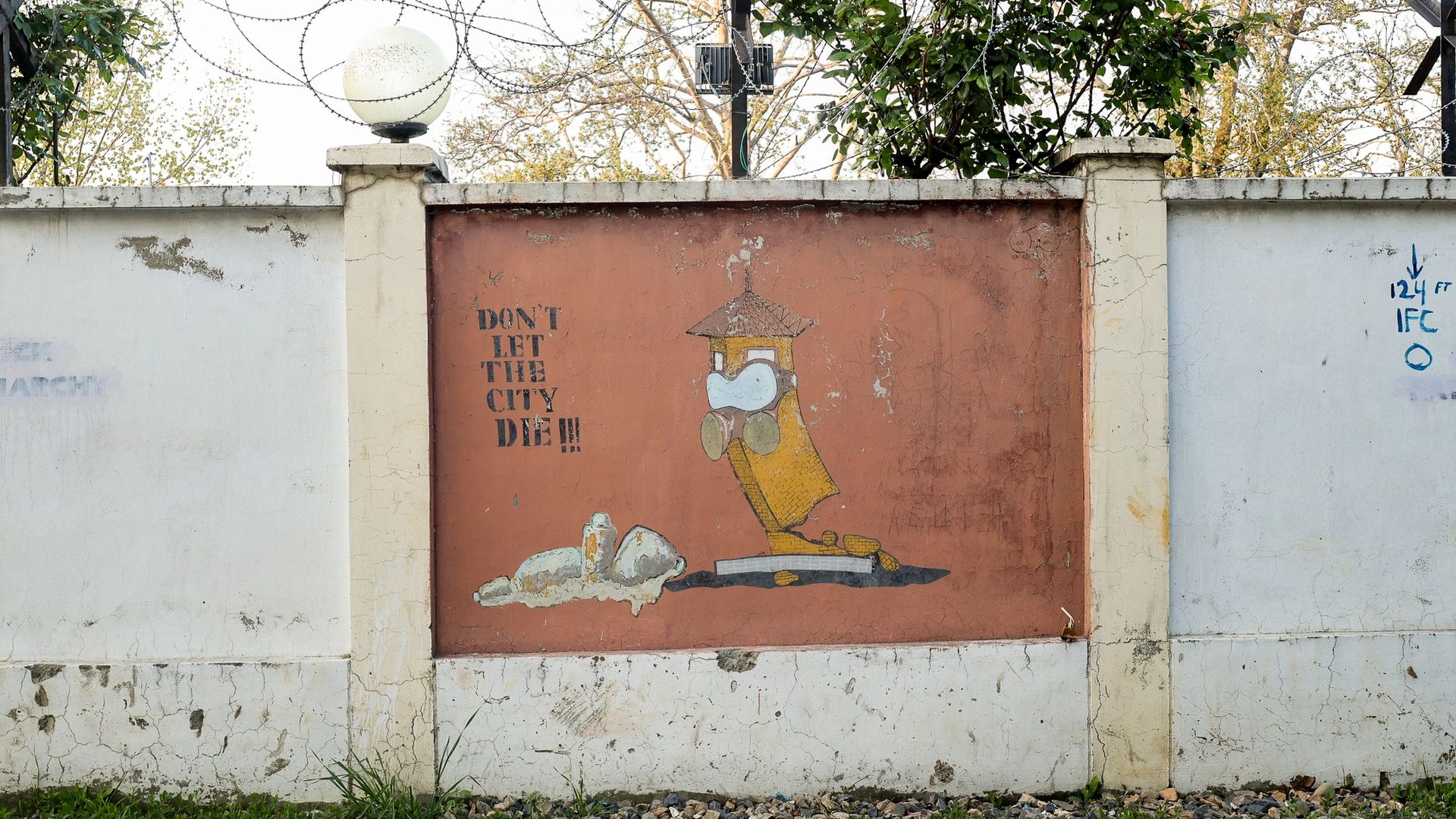
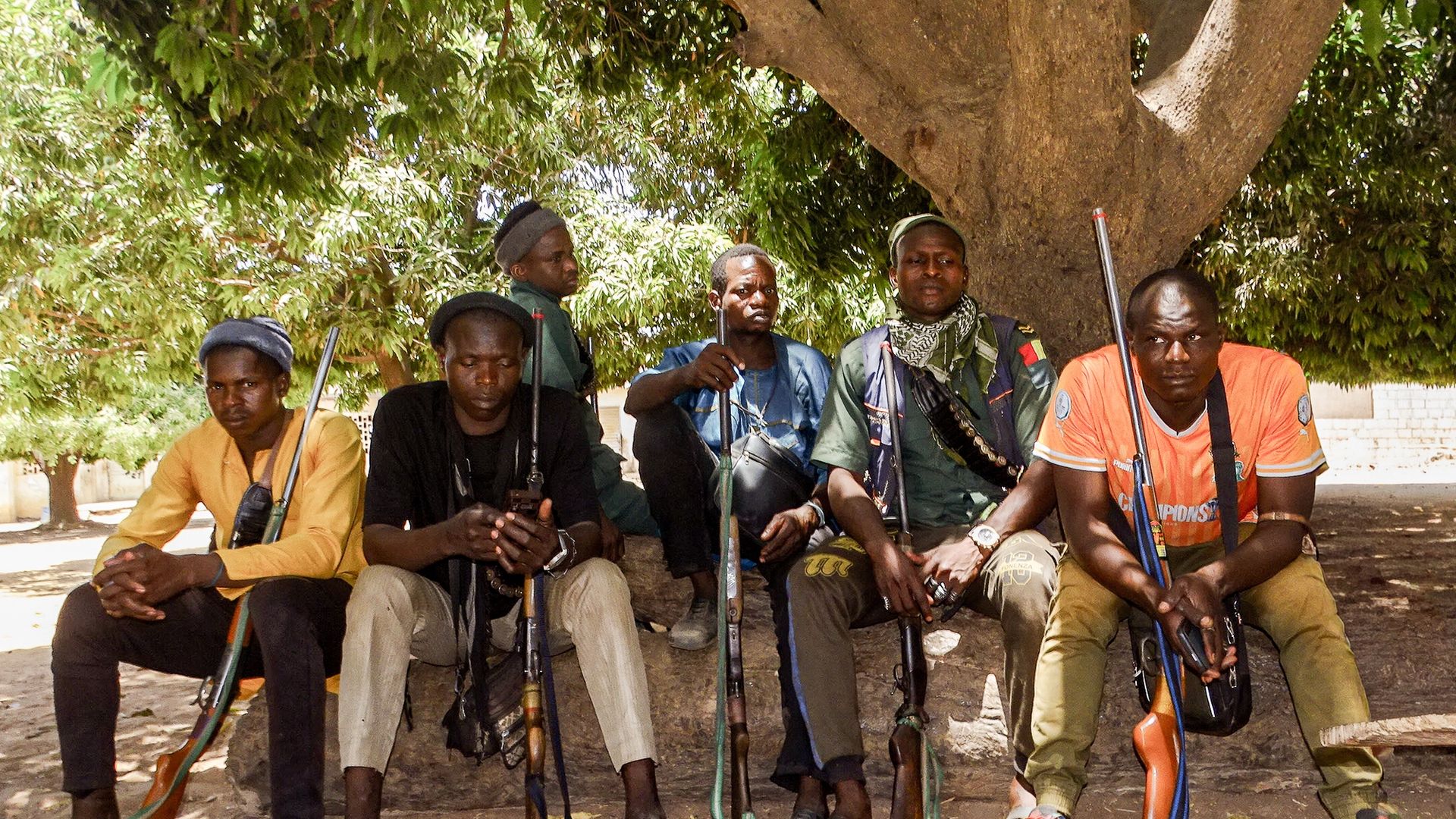
AFTER THE MOSQUE ATTACK, GAWEZI DID ITS DUTY: A STUDY IN GRASSROOTS RESILIENCE
Since mid-2024, Islamist militants known locally as Mahmuda have waged a violent offensive across the Borgou department of northern Benin, targeting villages along the border with Nigeria's Niger and Kwara states. The group takes its name from its leader, Mahmuda Sani, who was arrested by the Nigerian military in August 2025. Operating from the Kainji Lake nature reserve, a protected area spanning more than five thousand square kilometers, the militants carried out attacks, kidnappings, and looting on both sides of the border. Gawezi, a village of roughly a hundred households, had not been spared. When militants attacked its mosque and killed more than half a dozen residents, the community did not scatter. The villagers told me their story: a tale of tradition, pride, and identity.
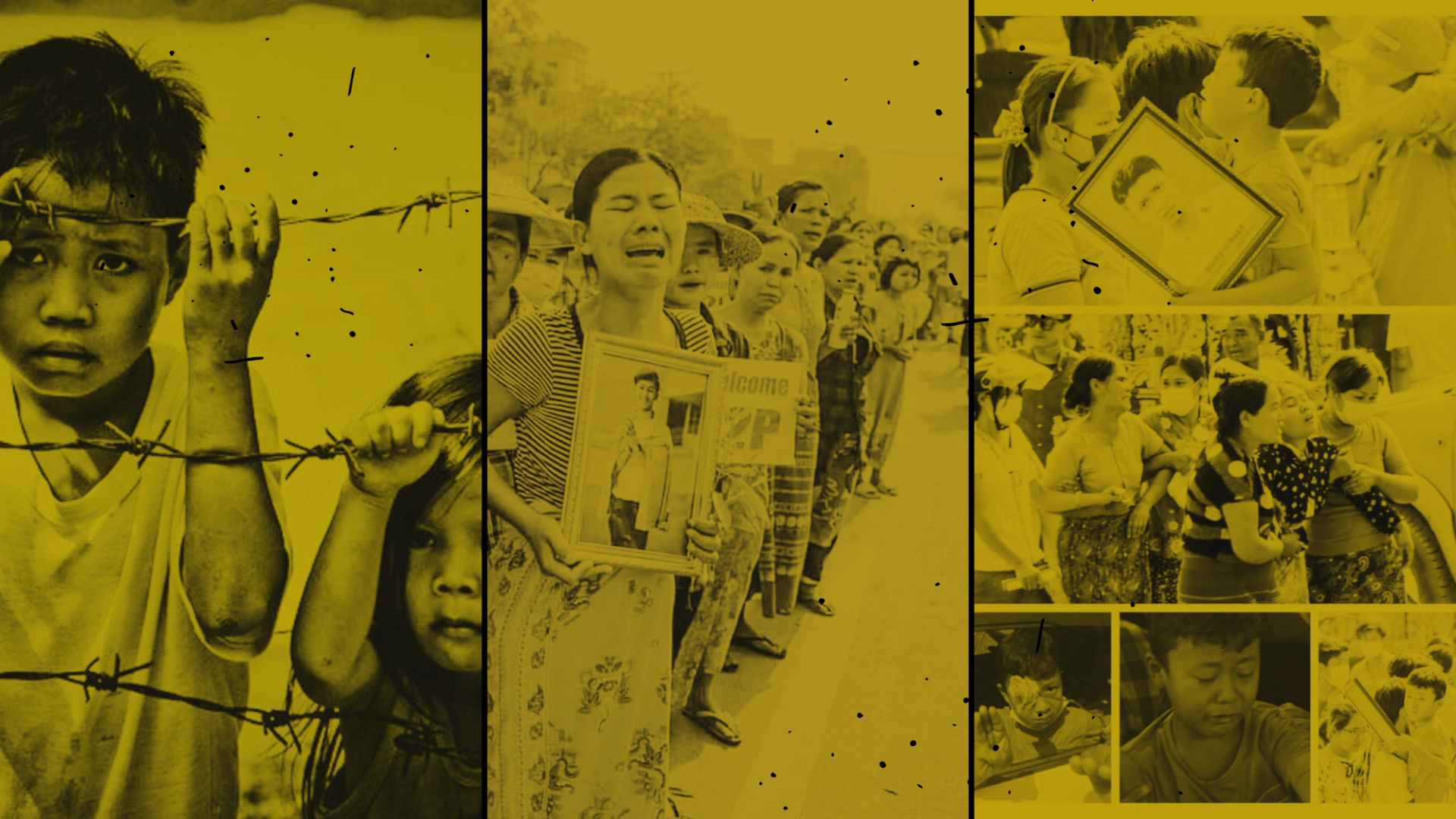
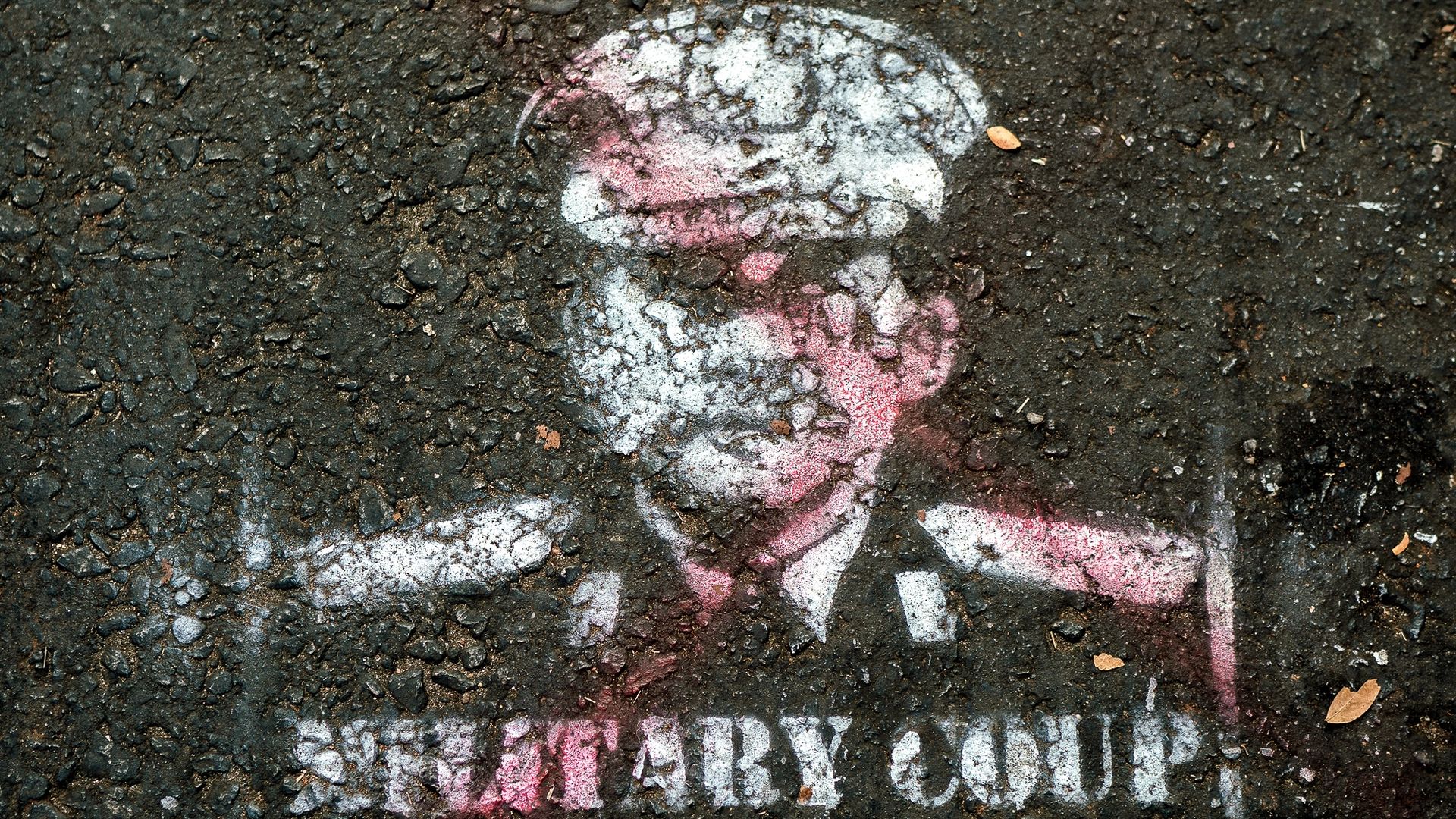
The Weaponization of Image: A Myanmar Artist's Strategic Resistance
There are thousands like him; graphic designers, photographers, graffiti artists, poets, painters. They are producing underground work, smuggling symbols, building visual languages of resistance. They are documenting the authoritarian decay as it happens.
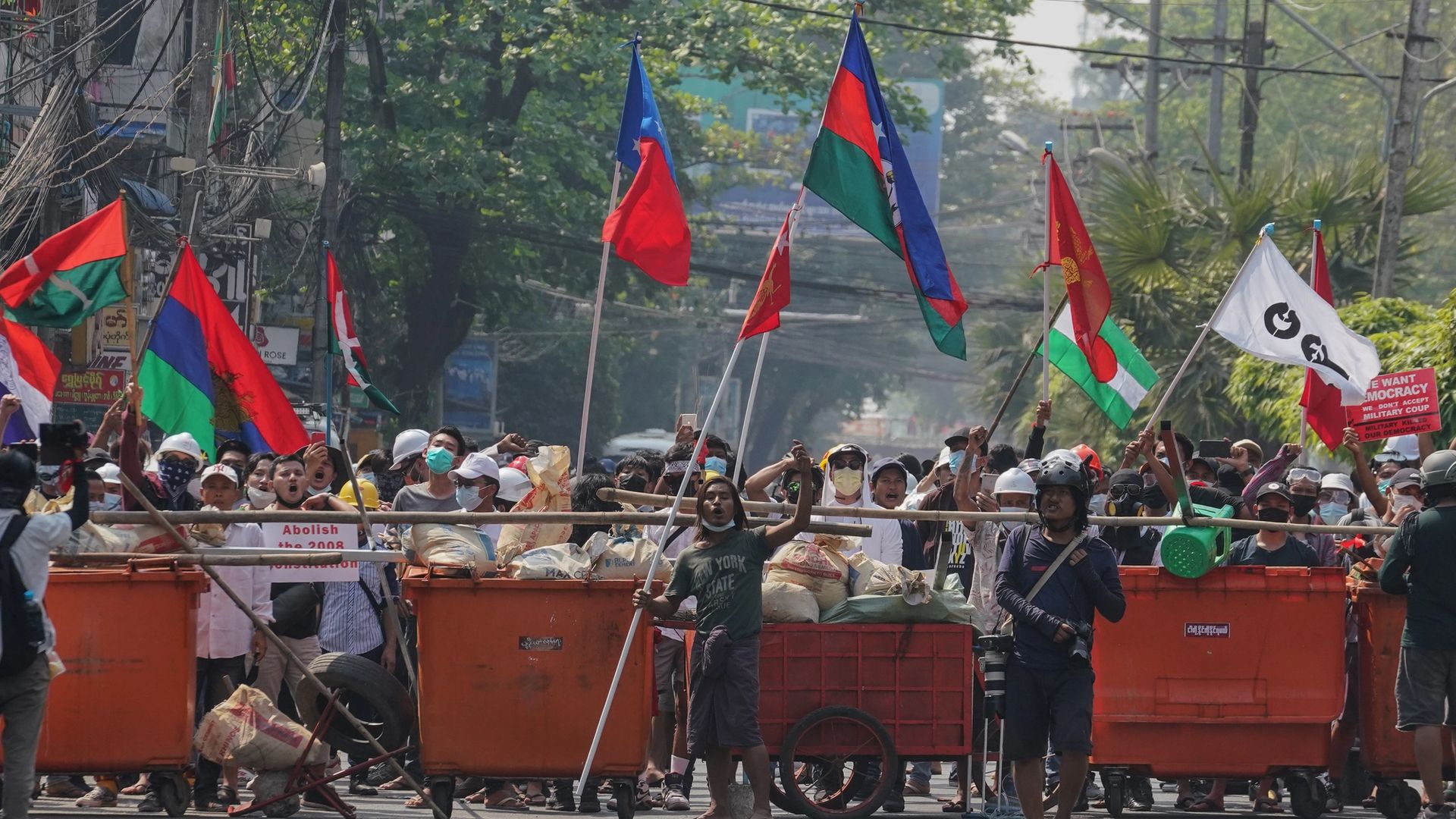
Myanmar’s Youth Are Rewriting the Nation’s History
For decades, Myanmar's peace process has been dominated by a familiar cast: senior military figures, ethnic armed organization leaders, veteran politicians, and international donors. Decisions have been made behind closed doors. Young people have been expected to watch, wait, and accept the outcomes.


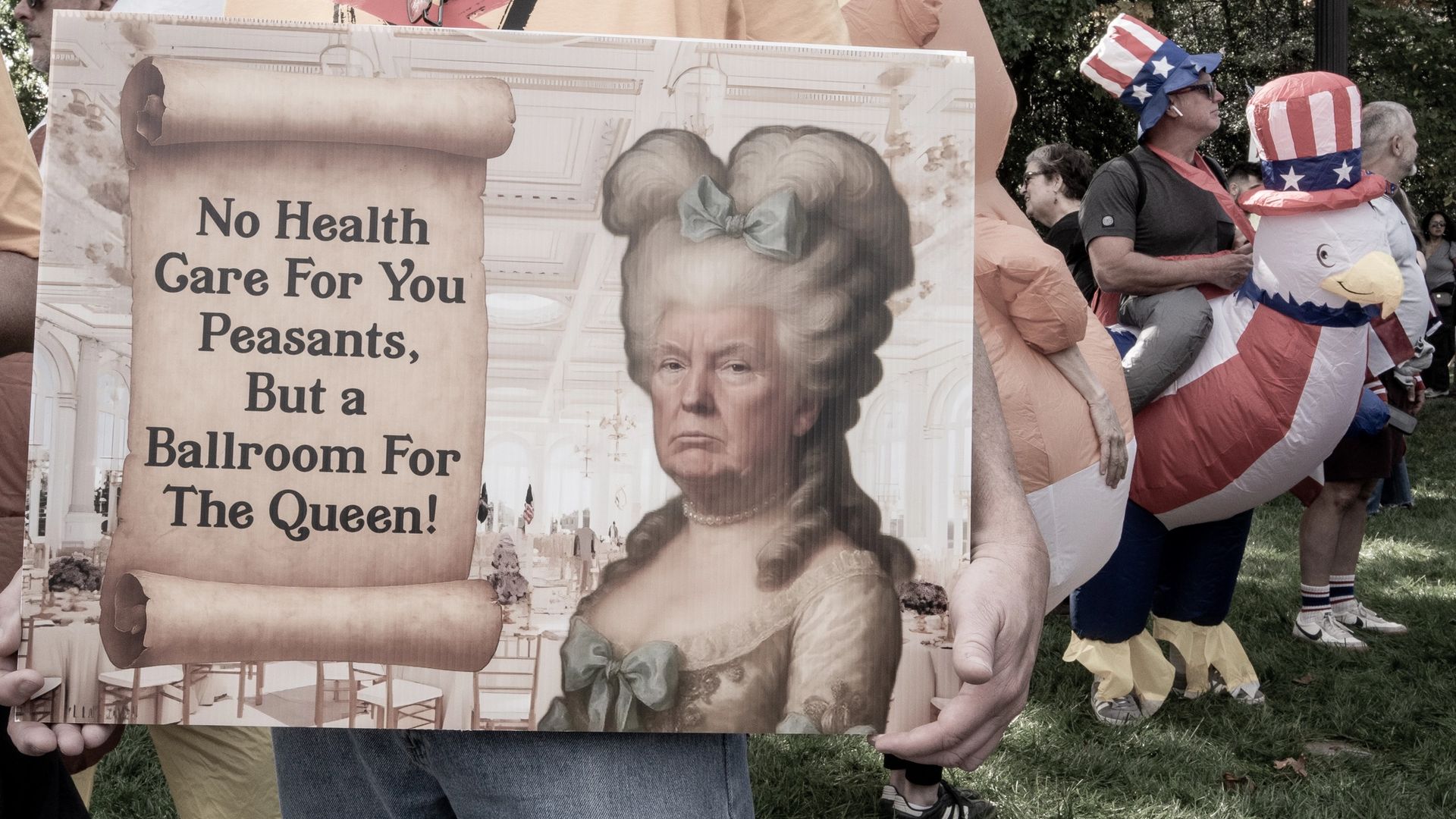
Dominion or Delusion: Why Our Survival Depends on Evidence, Not Vibes
Arielle made a choice that shouldn’t feel radical. Her father’s health had buckled, and the quiet Florida retirement they’d planned could no longer keep pace with the bills. In Portugal, a doctor saw him the week they arrived—efficient, affordable, almost disarmingly humane. It wasn’t an act of defiance, or something “un-American.” It was simply what survival looked like.
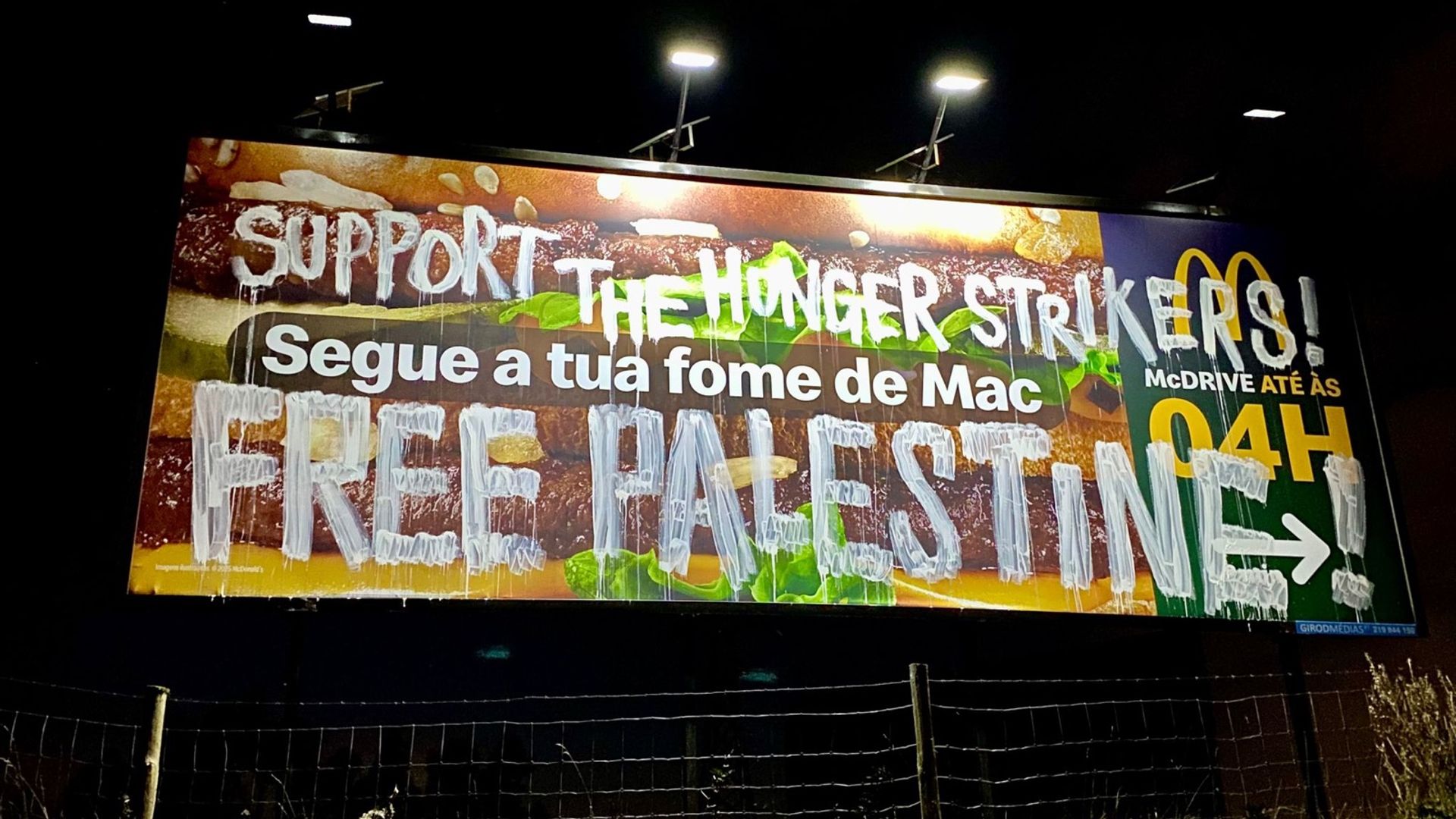
Let Us Spray: Graffiti in the Fight Against Techno-Fascism
“Genocide in Gaza has changed everything. Radicalized more people… From Gary Lineker and Kneecap or Bob Vylan, to Miss Rachel, speaking out is normalized. And from BlackRock to Palantir, exposing how imperialism IS capitalism, and has to be challenged.”
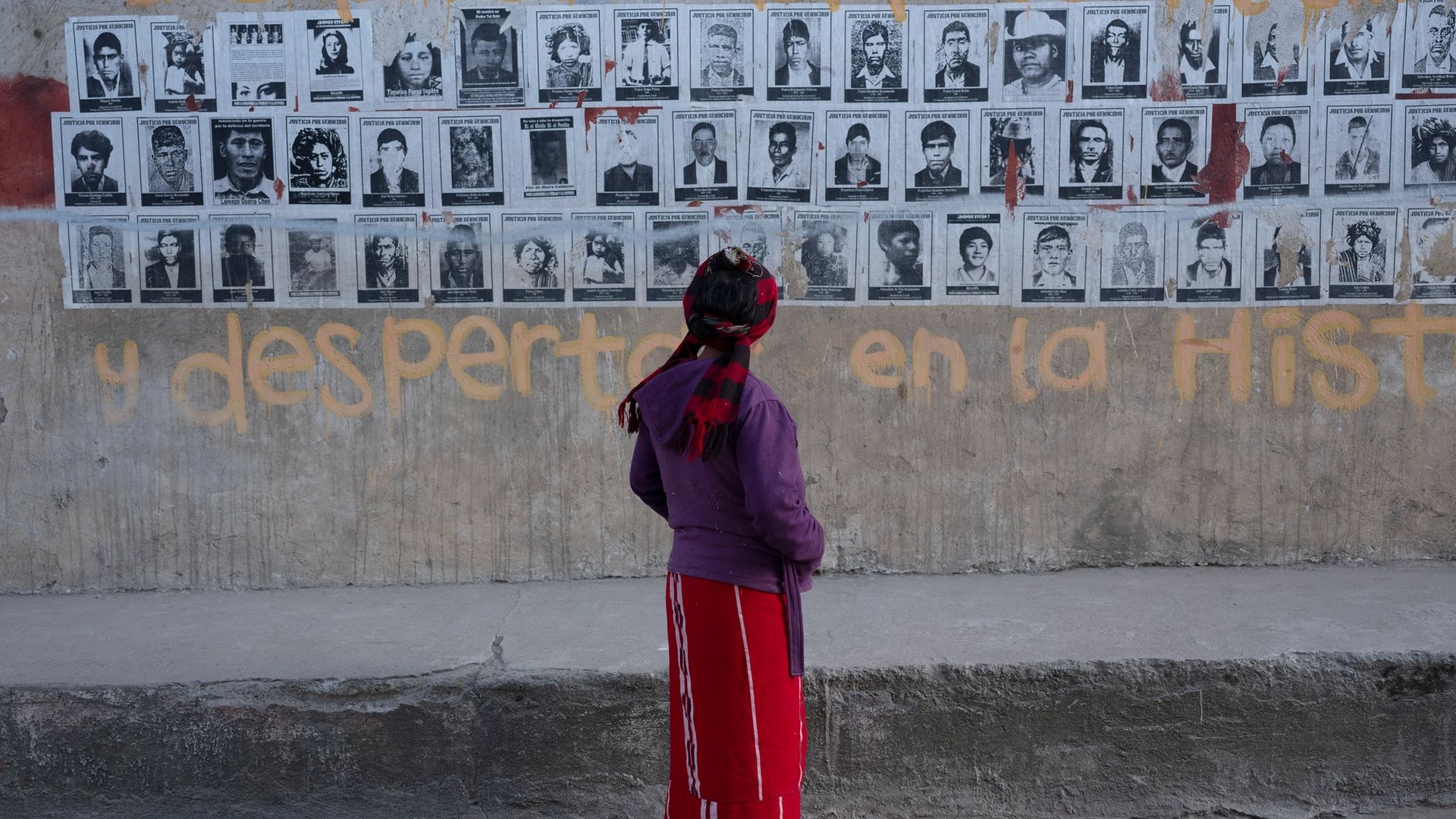
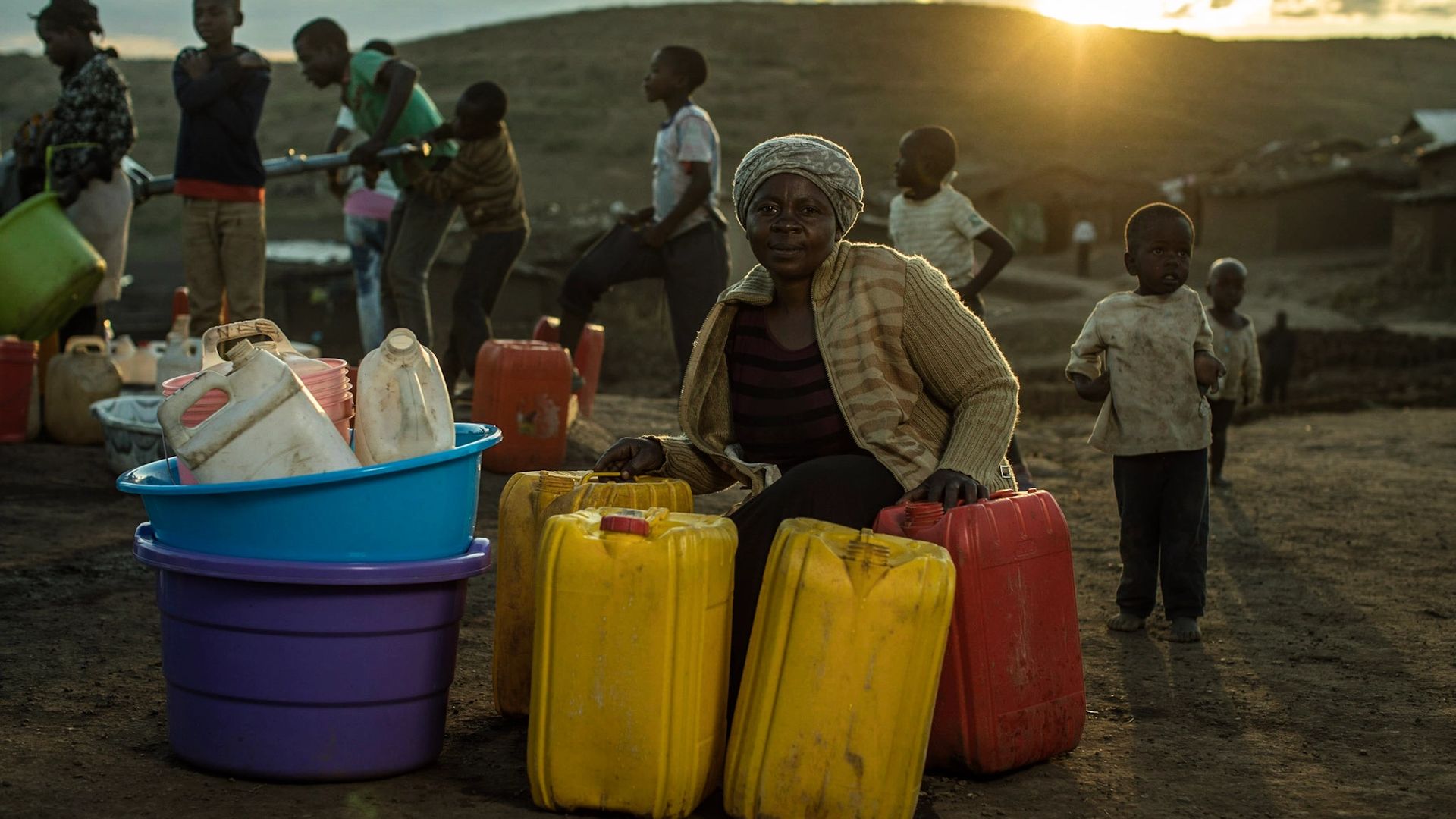
Raw Visual Truth: Capturing Complex Emergencies
In this feature, we sit down with Morgana Wingard, a photographer, filmmaker, and storyteller whose lens captures the pulse of humanity in crisis. Her path began in a middle-school darkroom and led her to document the Ebola outbreak in Liberia and, later, the COVID-19 pandemic across the United States. Her latest project, Airborne Firefighters, turns her gaze to the crews battling wildfires from the sky.
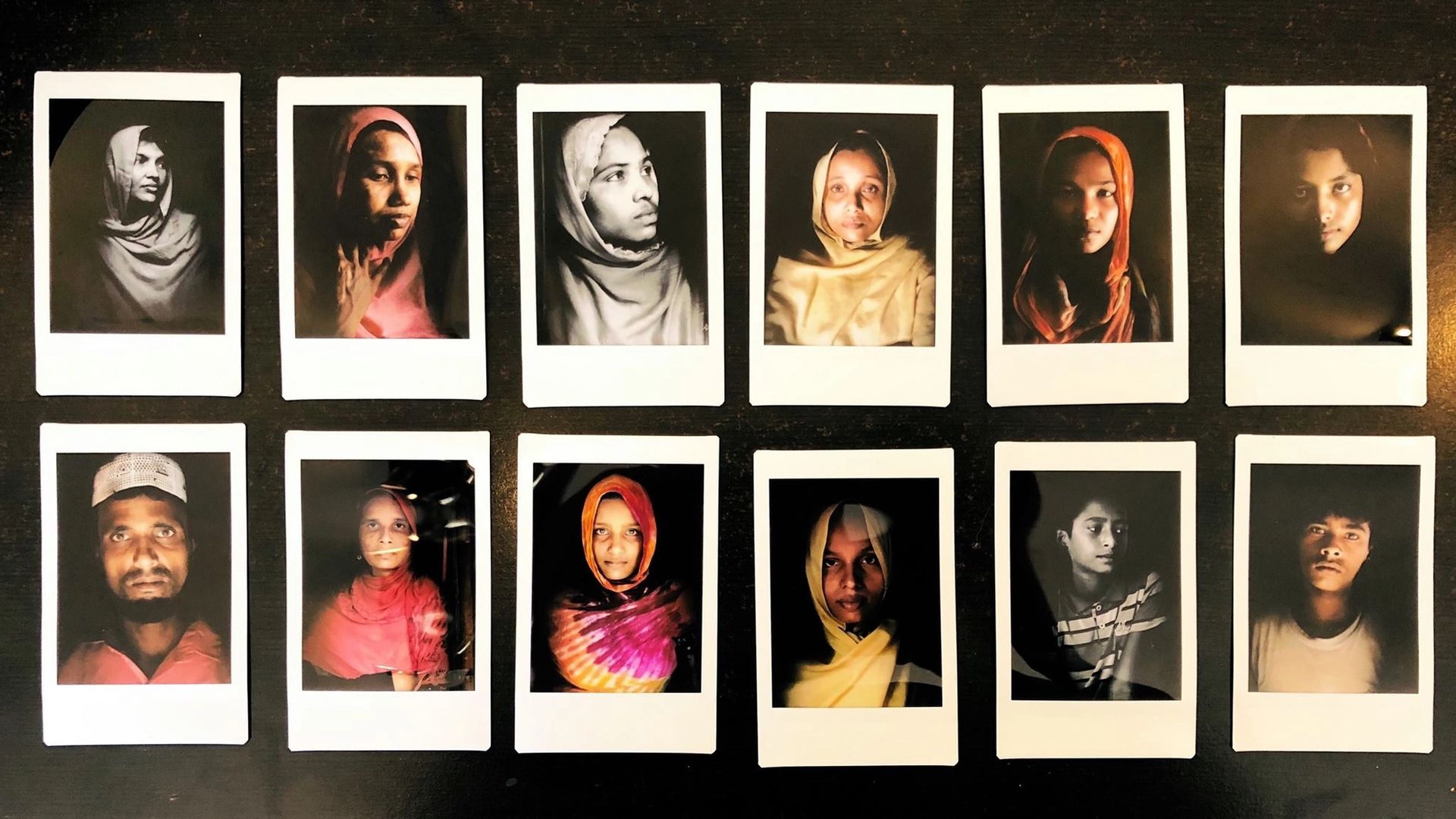
Against Refugee-ness
The crisis I observed was not the crisis being represented. Refugee-ness is a visual grammar: unwritten rules insisting refugees look a certain way to be recognized. It edits people into narrow roles: the helpless victim or the criminal threat. It disciplines what the public is permitted to feel.
STAY UPDATED
Sign up to be the first to find out when new stories and merch drop on THROAT. We respect your privacy and will never share your information with any third-party vendors. For real.