
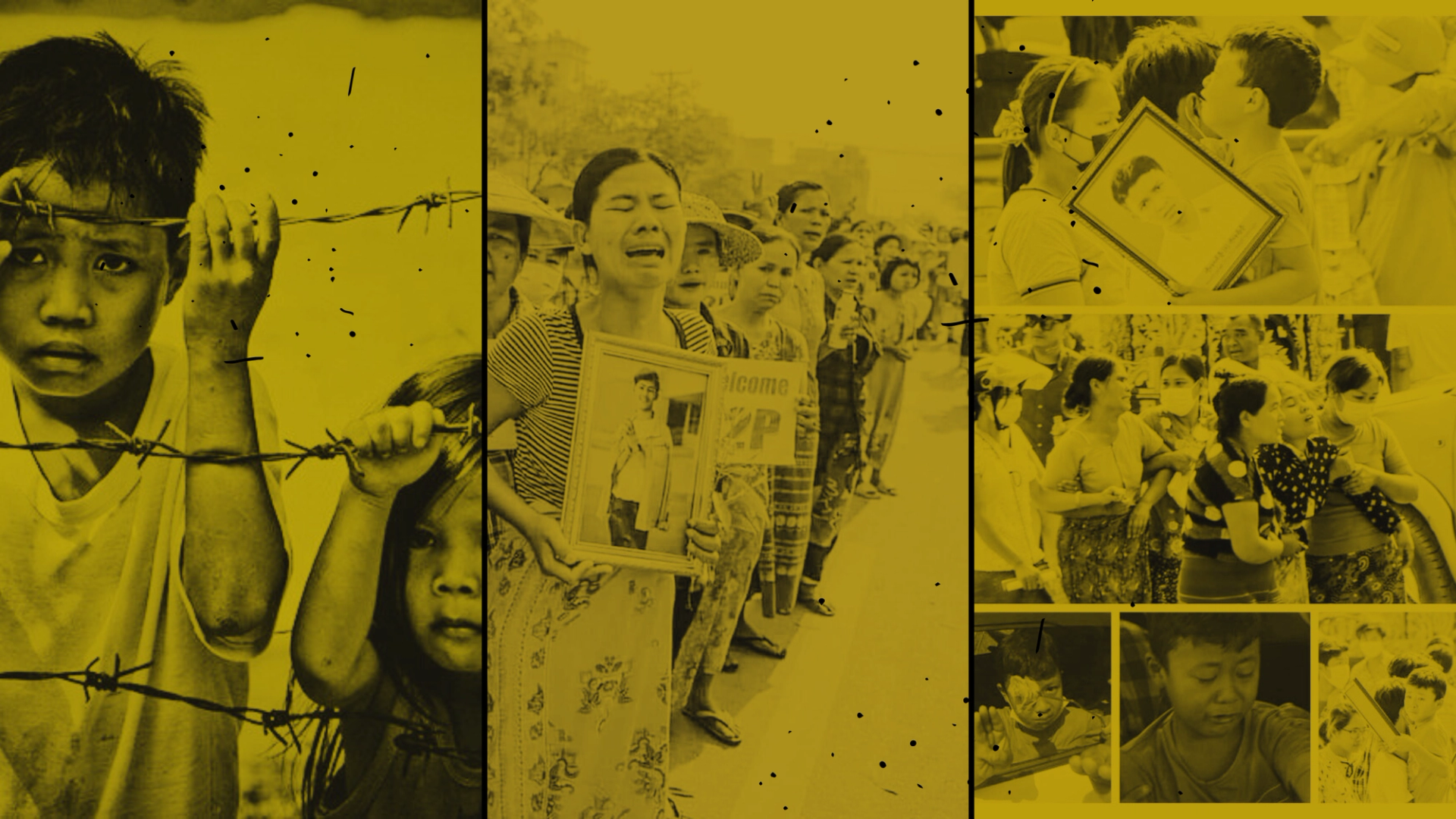
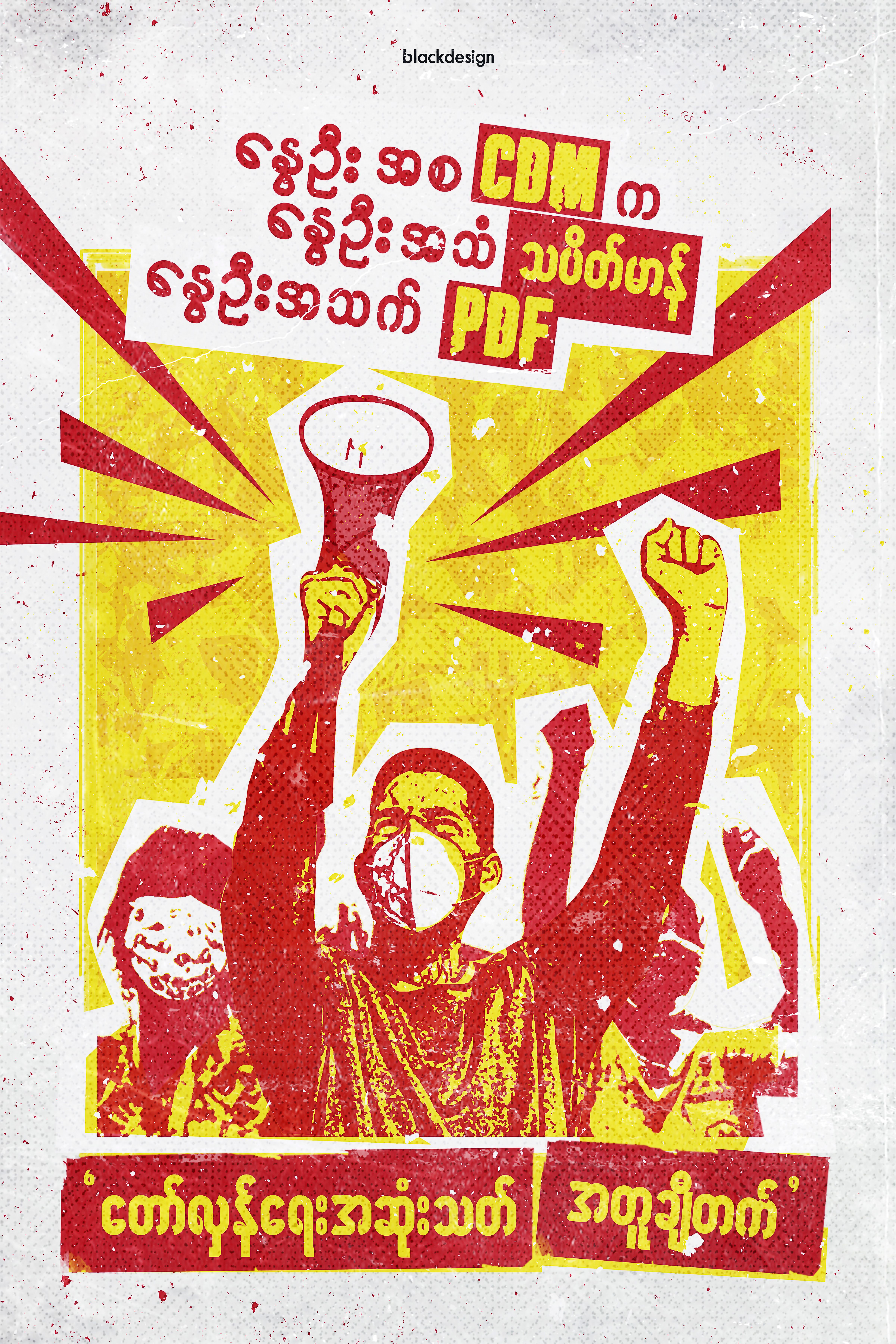
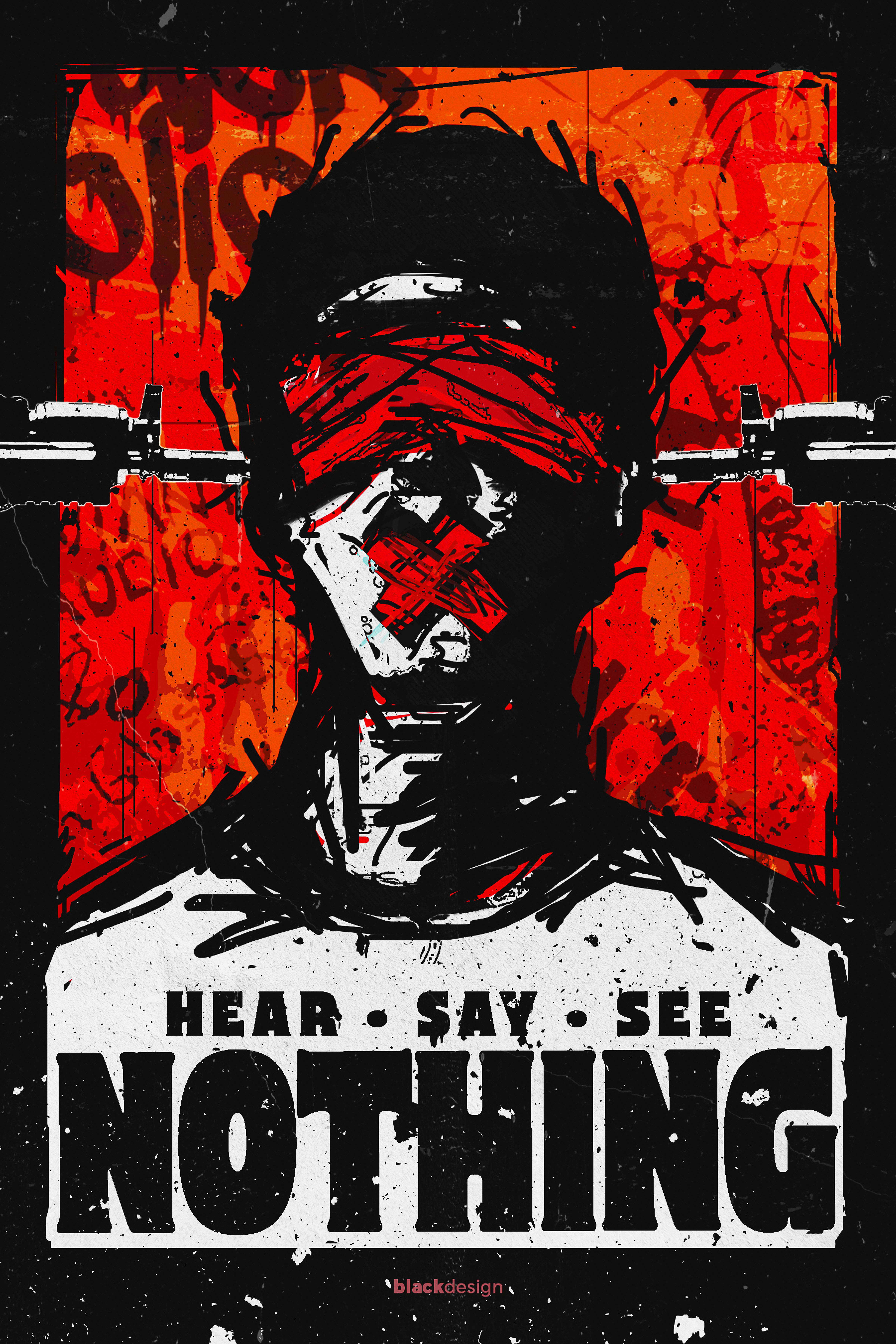
The Weaponization of Image, 2560 × 1440 px, 2025. © AXM, Myanmar
The Weaponization of Image: A Myanmar Artist's Strategic Resistance
Author: THROAT
The graphic designer in Meiktila, a thirty-four-year-old who will turn thirty-five in October, understands something that most Western observers of Myanmar's military coup have missed: the junta did not seize power through force alone. It seized power through the systematic control of narrative, and the counterinsurgency will be won or lost on the same terrain.
"I believed my art was a weapon to rebel against injustice and oppression," he told me. This is not a metaphor. This is doctrine.
The Geography of Resistance
Meiktila is not Yangon. It sits in the central dry zone, a place of strategic military installations and simmering ethnic tensions. The city erupted in communal violence in 2013—Buddhist mobs against Muslims—a preview of the state-sanctioned pogroms that would later consume Rakhine State. To make art here is not to work in the comfortable remove of a cultural capital. It is to operate in what military planners would call a contested zone.
The artist was born in Yangon but formed in Meiktila. The distinction matters. Yangon artists can afford aesthetic distance; Meiktila artists cannot. When he says that he tried graffiti "but it didn't work," he is making a tactical assessment. Graffiti is too ephemeral in a place where the message must survive systematic erasure. He settled on graphic design and painting, mediums that can be reproduced, distributed, and archived. Mediums that can go underground.
The Infrastructure of Visual Insurgency
What the artist describes as his early passion—creating magazine covers from imagination—was, in fact, an apprenticeship in information warfare. A magazine cover is a complete propaganda system in miniature: image, text, framing, emotional appeal. By the time the Tatmadaw staged its February, 2021, coup, he had spent years building the visual vocabulary that would be needed to counter it.
The military understood this threat immediately. Within weeks of seizing power, the regime began hunting artists, writers, and journalists—anyone capable of constructing alternative narratives. The artist's refusal to flee is not romantic defiance. It is a calculated decision to remain embedded in the conflict zone, to continue producing work that reflects lived reality rather than exile nostalgia.
"I live in this country in this situation, so I create more art," he said. The circular logic is the point. The worse the conditions, the more urgent the documentation. He is building an archive of atrocity in real time.
The Economics of Resistance
Here is where the analysis becomes uncomfortable, where ideology collides with survival. The artist acknowledged what few resistance movements want to admit: "I survived on what I could, but now I struggle just to feed my family. I'm in debt from medical treatment. I'm about to become a beggar."
This is not incidental. This is the junta's counterinsurgency strategy made flesh. You do not need to arrest every dissenting artist if you can simply starve him into silence. The Tatmadaw learned this from decades of fighting ethnic armed organizations: you squeeze the support base, you cut the supply lines, you make the cost of resistance higher than most people can bear.
The artist called himself "stubborn," but he used a word that carries specific weight in Burmese political context: those who refuse to bend. "Stubborn people like us are affected mentally and physically. Financially, too." He is describing a cohort under sustained economic warfare. The toll is not abstract—it is medical debt, it is hunger, it is the daily calculus of whether one more political artwork is worth one more day without food for his family.
This is the part that international solidarity movements prefer not to examine. Sanctions and condemnations cost Western governments nothing. The artist pays in his body.
The Normalization of Terror
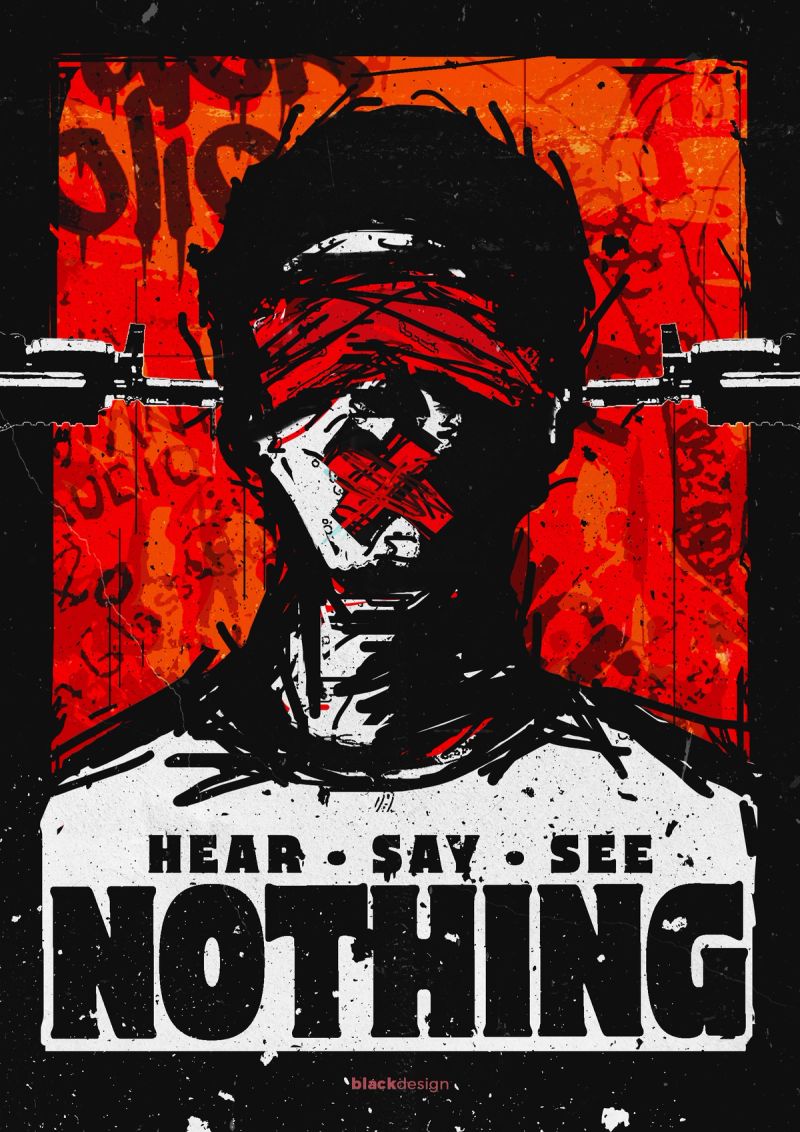
When asked about fear for his safety, the artist's answer deserves careful parsing: "It has been almost three years since I lived with fear."
Three years. The coup was in February, 2021. He stopped living with fear almost immediately.
This is not courage in the conventional sense. This is what happens when a threat becomes an environment. Political psychologists have documented this phenomenon in every prolonged conflict: there is a point at which the nervous system can no longer maintain acute fear responses. The body adapts or it breaks. The artist has adapted by making fear so familiar that it no longer registers as a discrete emotion.
This is the junta's long game. It does not need to arrest everyone. It needs only to create a climate in which fear is ambient, in which self-censorship becomes automatic, in which the cost of resistance is internalized before any external force need be applied. The artist's statement reveals both the limits of that strategy—he continues to work—and its effectiveness: he can no longer feel the fear that should, rationally, stop him.
The Archival Imperative
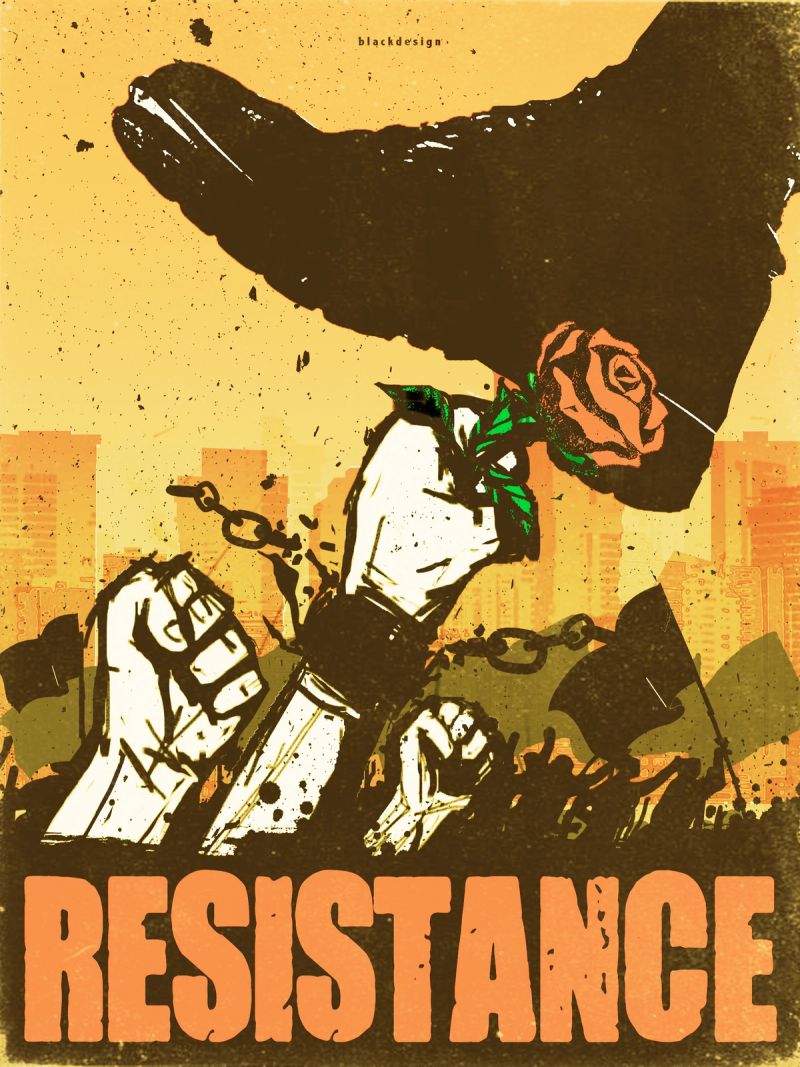
"Live with hope. Fight for hope. One day at a time." The words sound like resistance boilerplate until you understand them as operational security. Hope is not optimism. Hope is the tactical minimum required to continue functioning under sustained psychological warfare. "One day at a time" is not inspiration—it is mission planning at the most granular level. Survive today. Produce today. Tomorrow is not guaranteed, so the work must happen now.
The artist understands what historians will later confirm: he and thousands like him are producing the primary sources of this conflict. Not the diplomatic cables or the U.N. reports or the international journalism (though those matter) but the street-level visual documentation, the symbols that circulated on the ground, the aesthetic language of a resistance that is still ongoing.
When the military government eventually falls—and it will; all military governments do, the only question is when—the historians will need these images to reconstruct how the resistance actually functioned. The outside world will rediscover Myanmar. But the artists will have already created the archive.
The Strategic Question
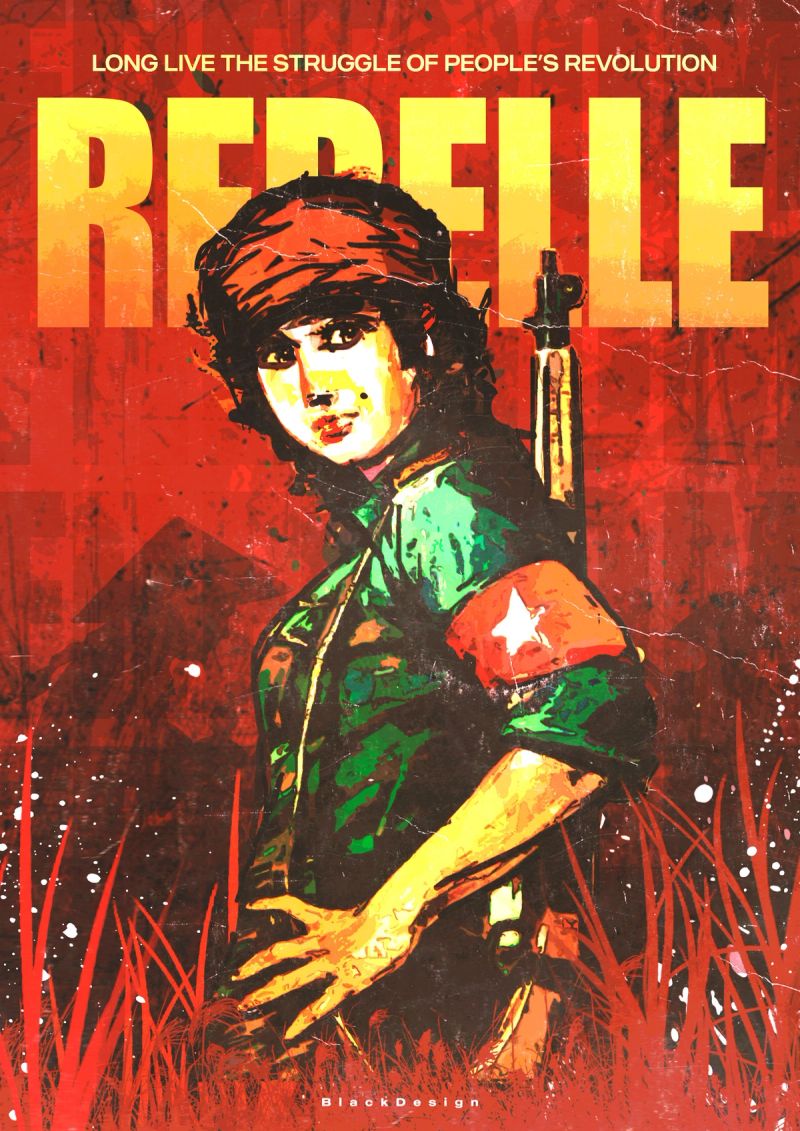
The most revealing moment in our correspondence was not about art at all. It was about impact. "Has your art had any tangible impact on the political situation?" The question produced the only moment of visible pain: the acknowledgment that the weapon he has wielded has not saved him from poverty, has not fed his family, has not changed the fundamental balance of power.
This is the question that every resistance movement must face and that almost none want to answer honestly. What is the actual strategic value of cultural production in an armed conflict?
The artist cannot overthrow the junta with a painting. He knows this. But he also knows something that the junta fears: he can make its crimes impossible to deny. He can create images that circulate beyond its control. He can deny the regime the one thing that authoritarian governments need most—a monopoly on narrative.
Is it enough? No. Will it win the war? No. Does it matter? Yes.
Because, in the end, what the artist is doing is not trying to topple a regime through aesthetics. He is ensuring that when the regime falls—by whatever means, whenever it happens—there will be a record. There will be proof. There will be images that cannot be revised away.
He is not a revolutionary. He is a witness. And, in a country where the state criminalizes testimony, that act alone is insurgency.
He stays because someone must. He creates because silence is complicity. And he survives—barely, painfully, one day at a time—because the alternative is to let the junta write history unopposed.
The art may not change Myanmar today. But it will define how Myanmar is remembered tomorrow. That is not nothing. In a conflict measured in decades, it may be everything.
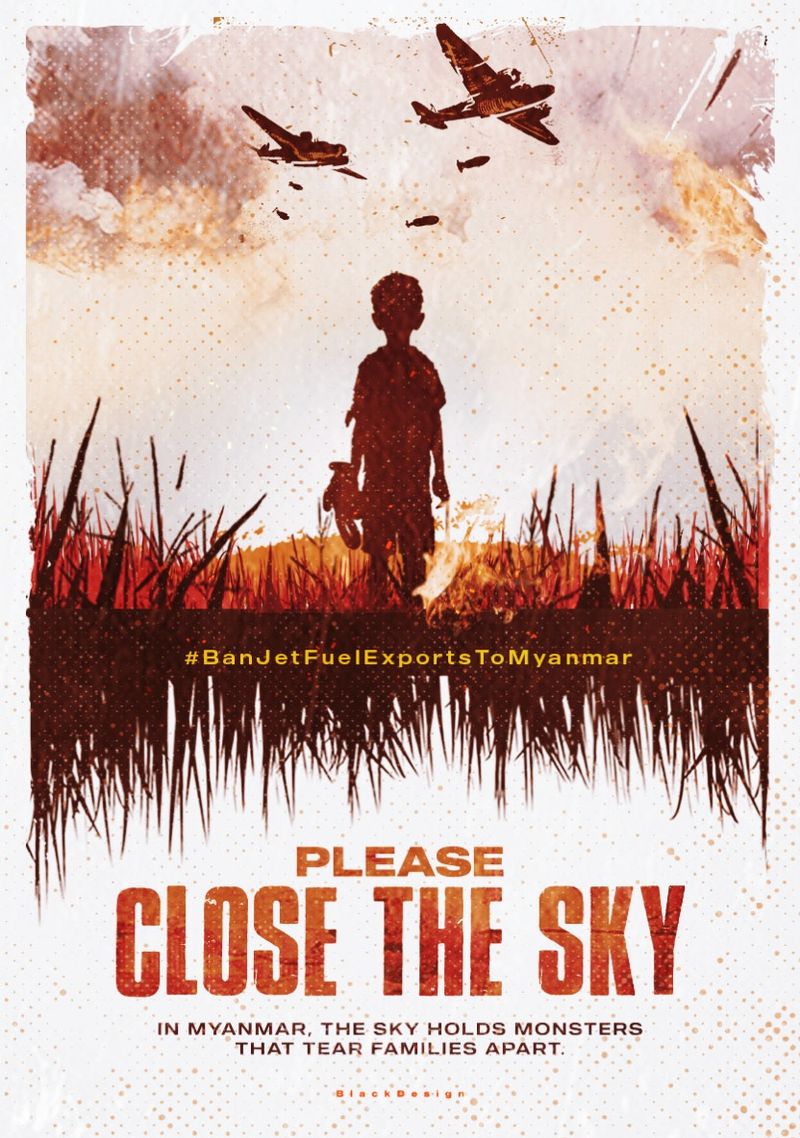
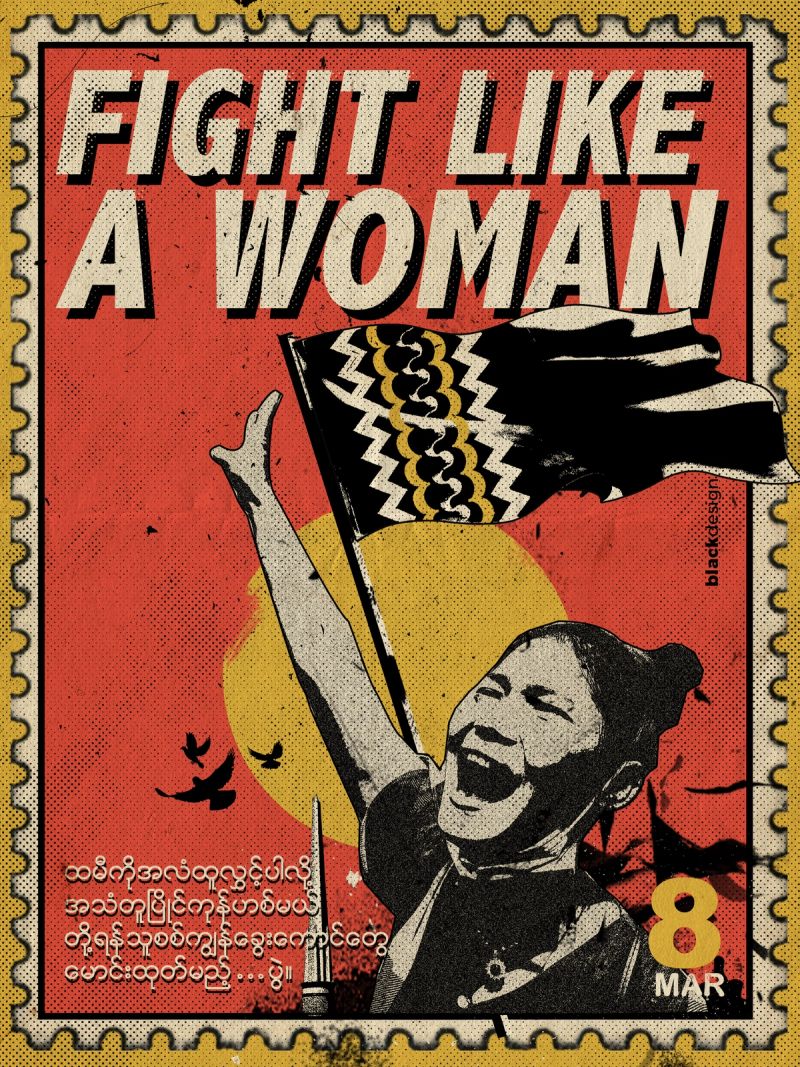
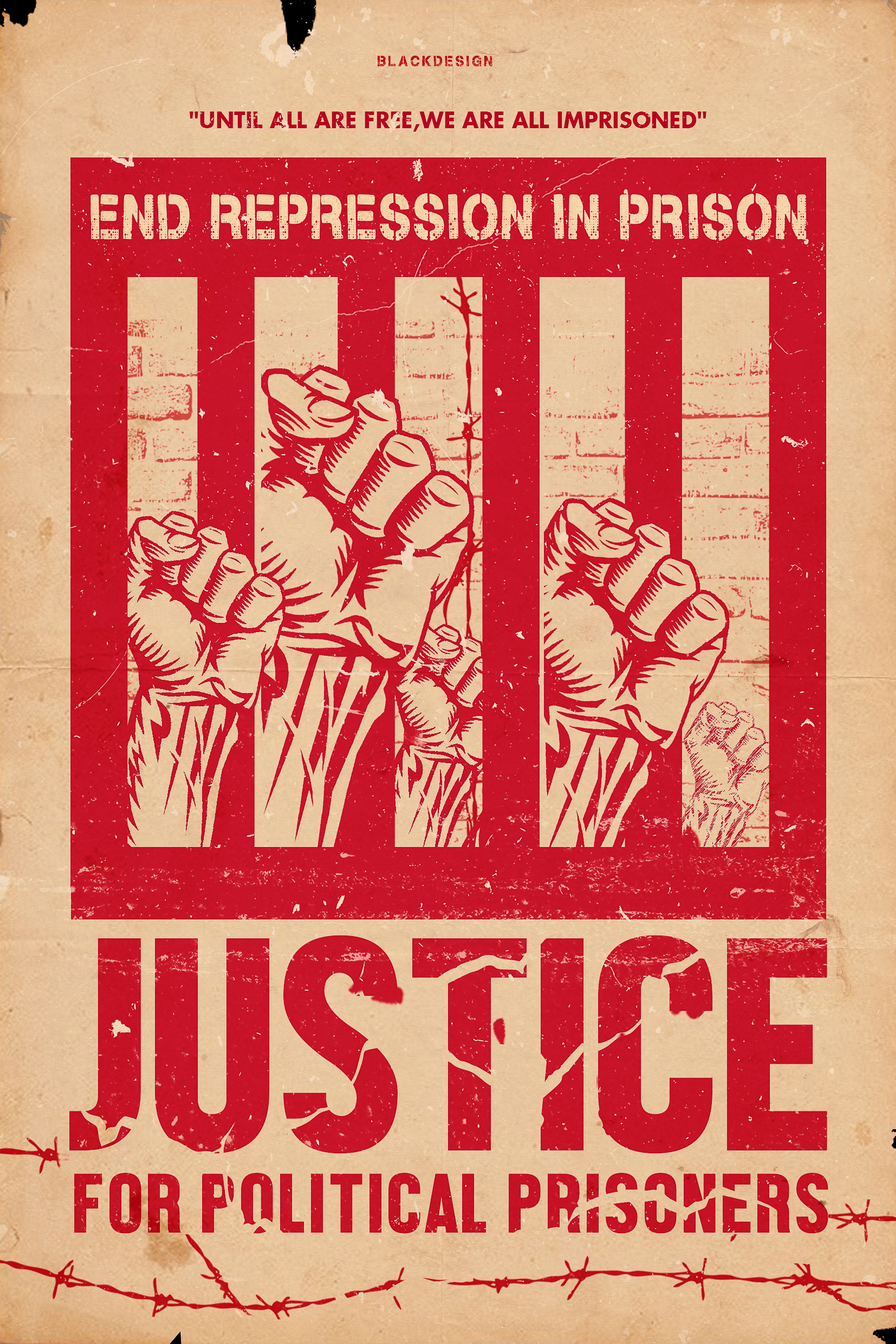
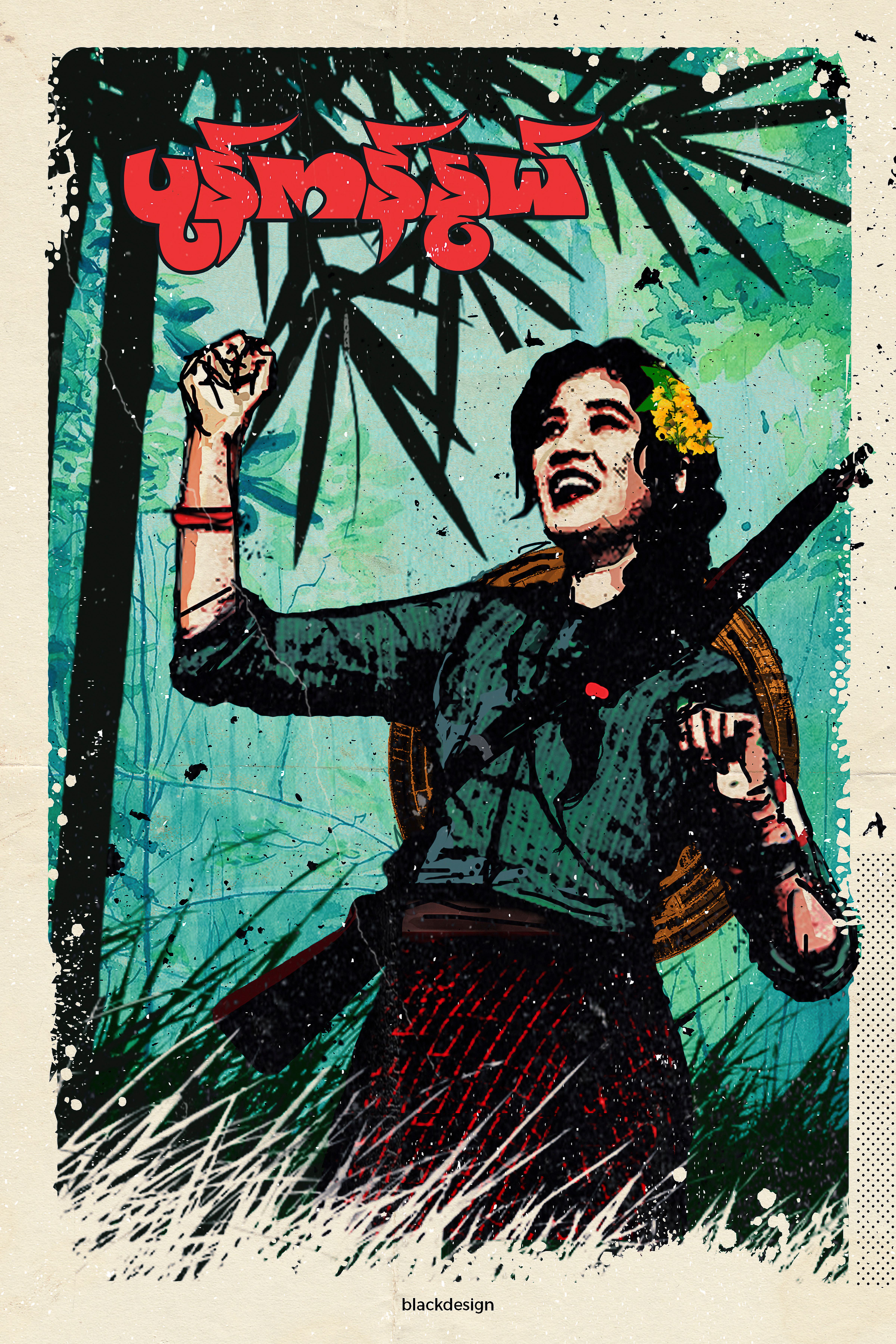
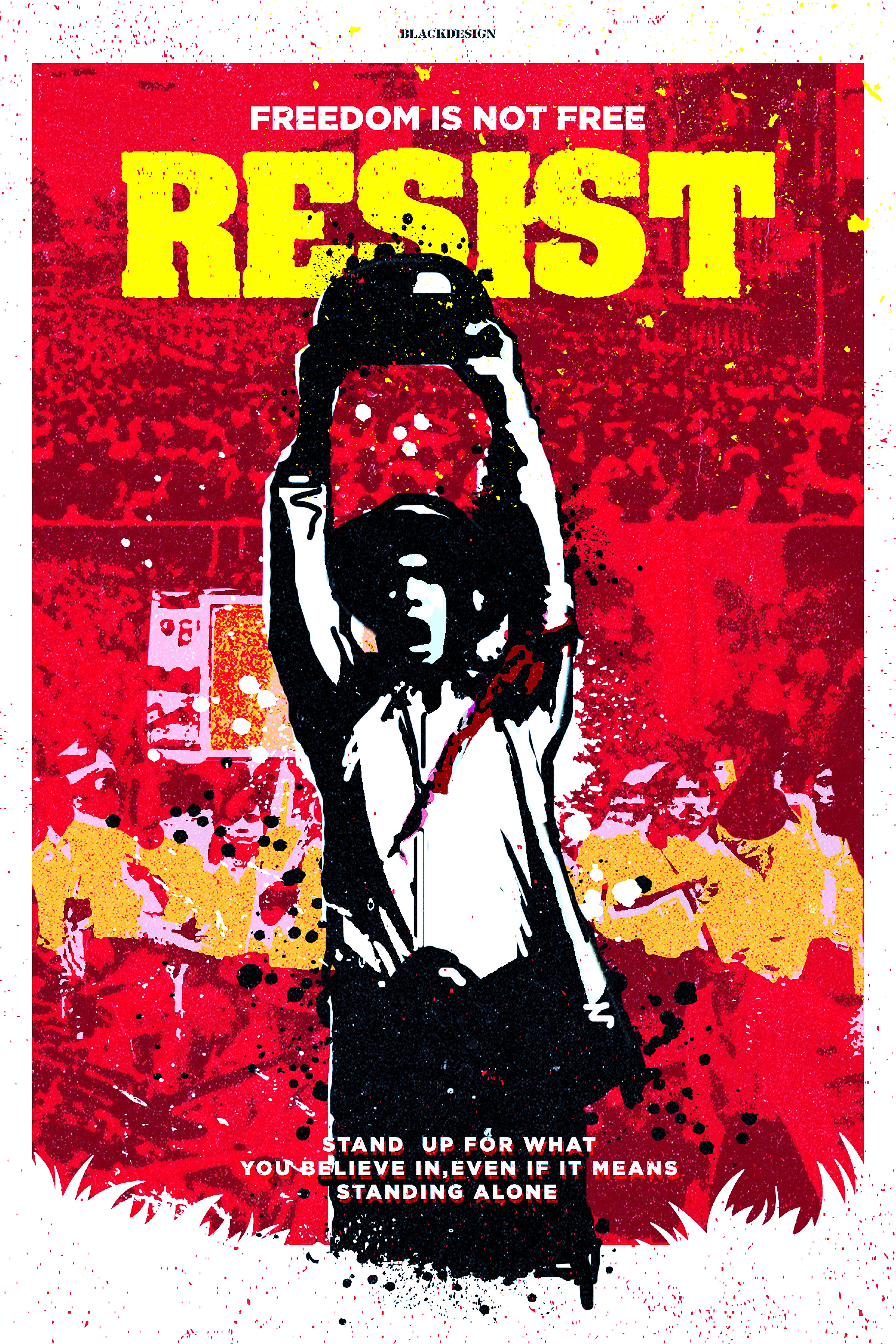
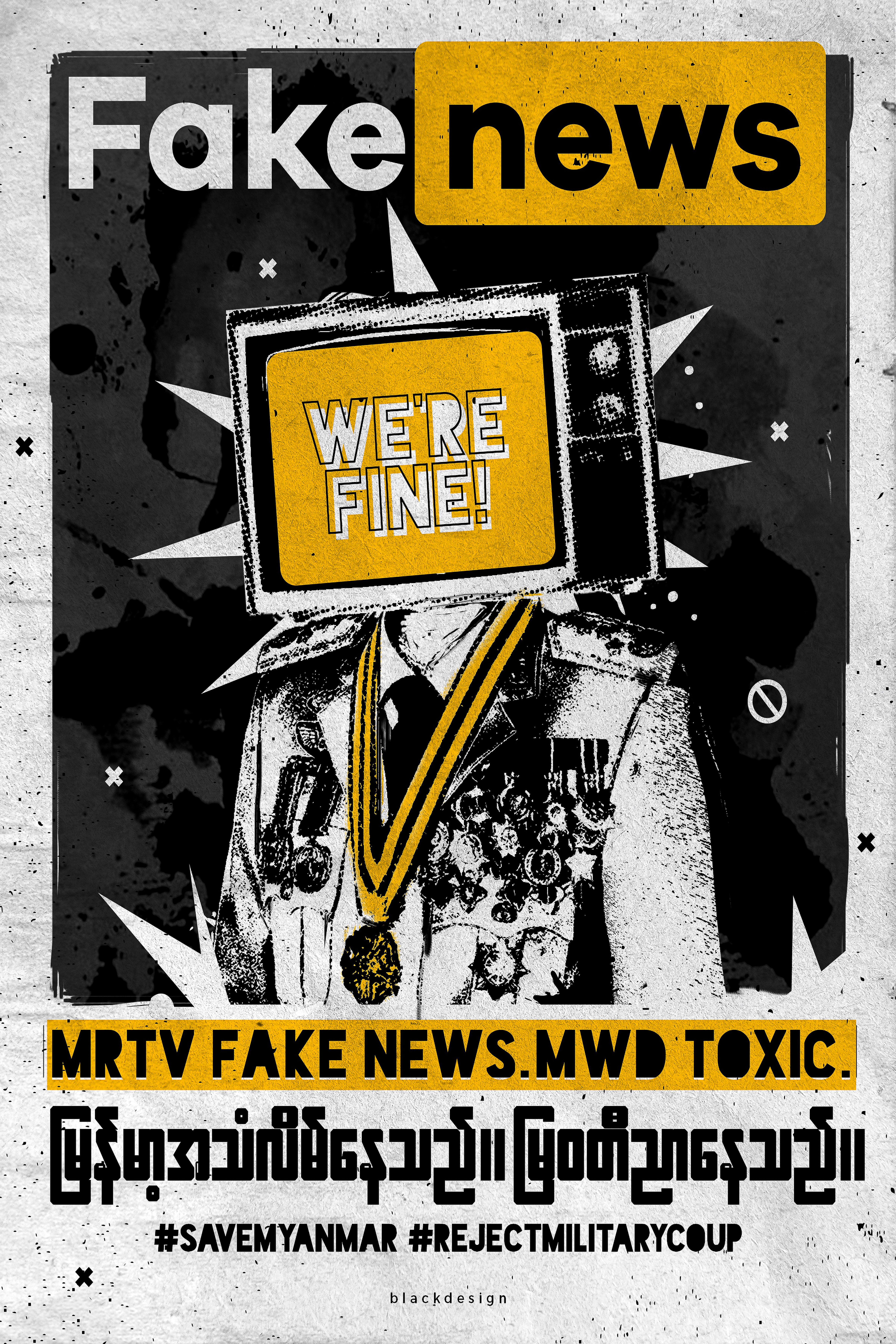
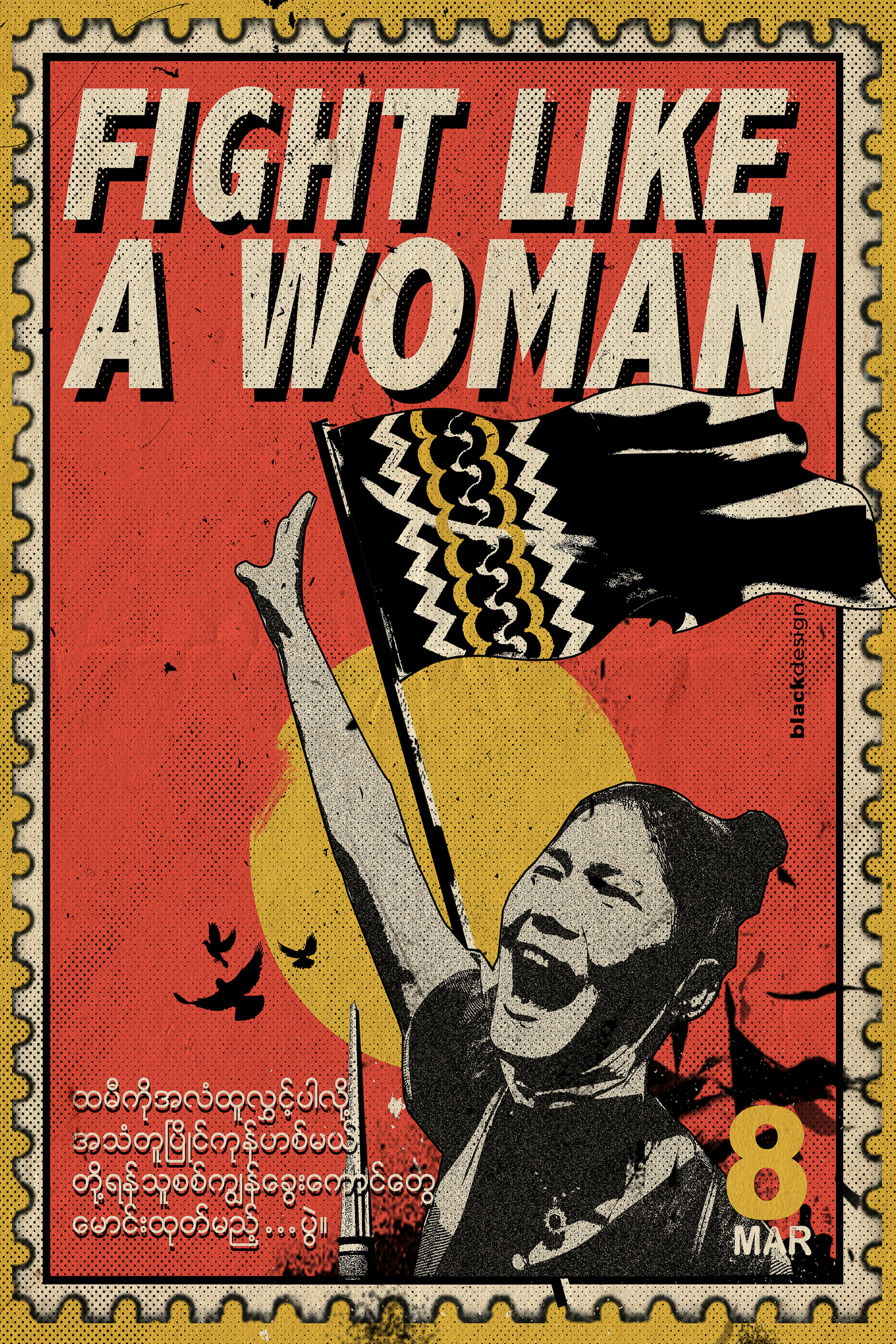
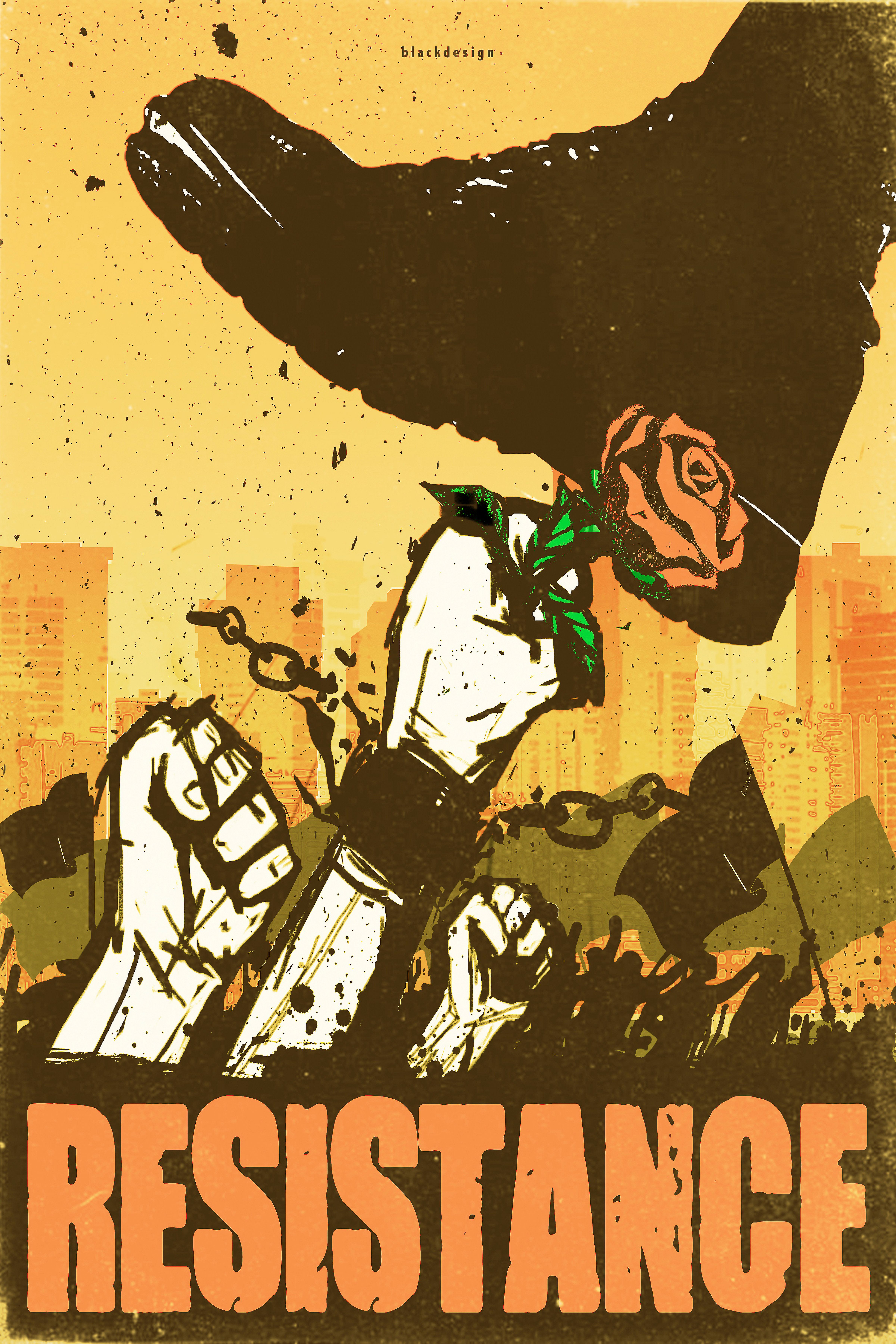
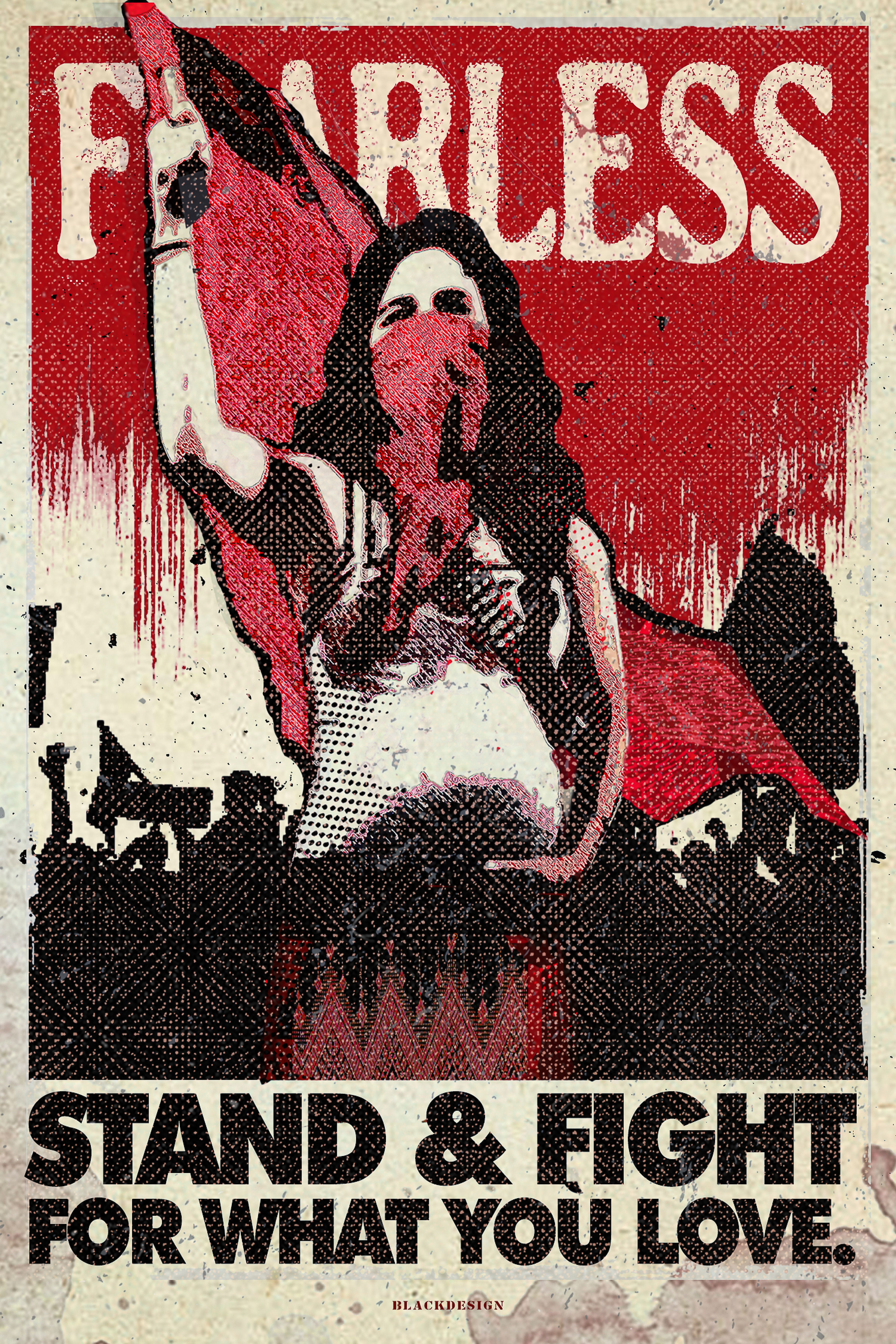
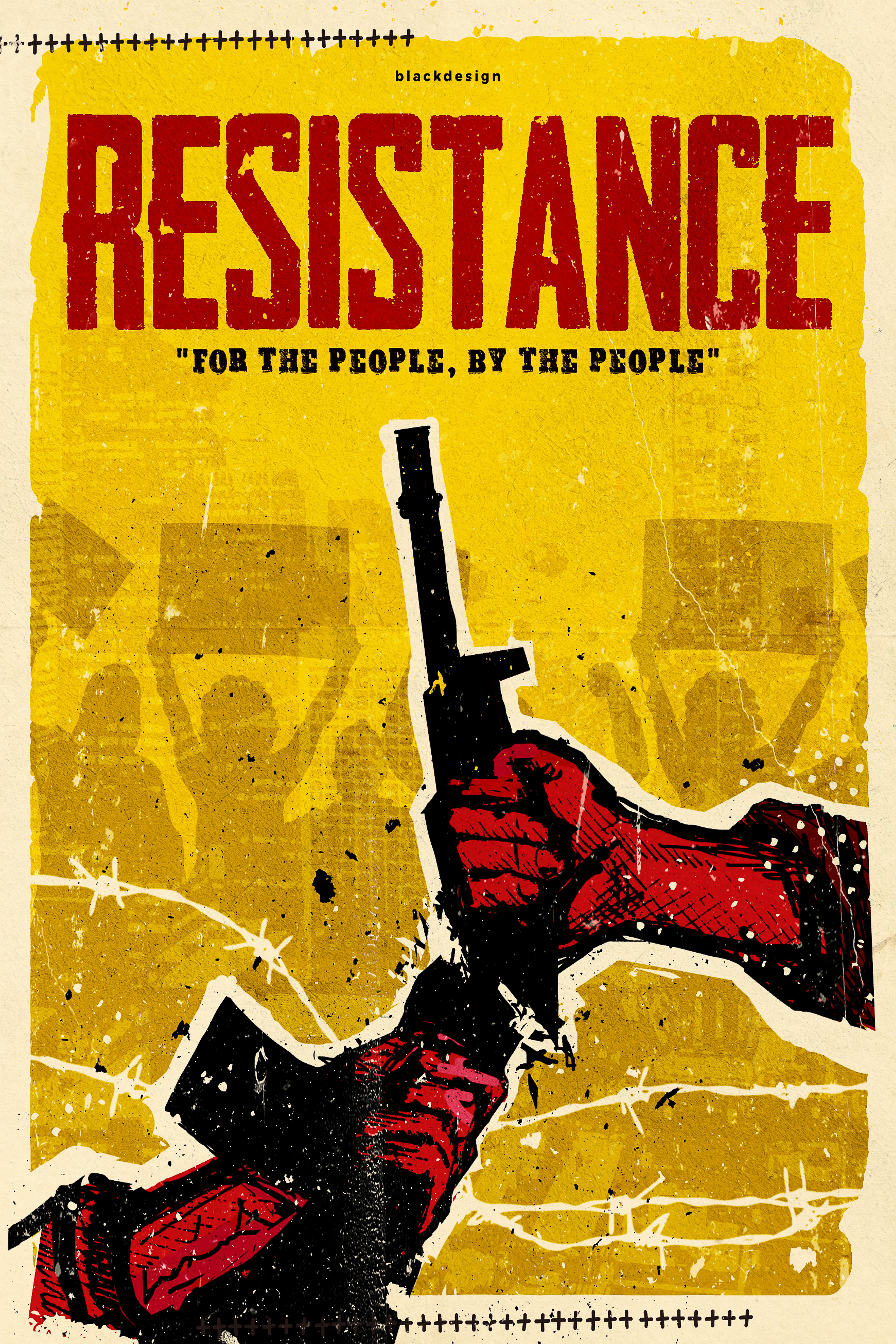
AXM is a visionary graphic designer whose bold and evocative work captures the heart of Burma's enduring struggle for justice, peace, and human rights. Through his compelling visual narratives, AXM transcends traditional design by integrating powerful political statements that resonate with both grassroots movements and global audiences. His designs reflect a deep commitment to resistance and resilience, featuring recurring motifs of hope, defiance, and unity. By blending dynamic imagery with sharp messaging, AXM amplifies the voices of marginalized communities and highlights the courage of individuals standing against oppression
Artworks by AXM
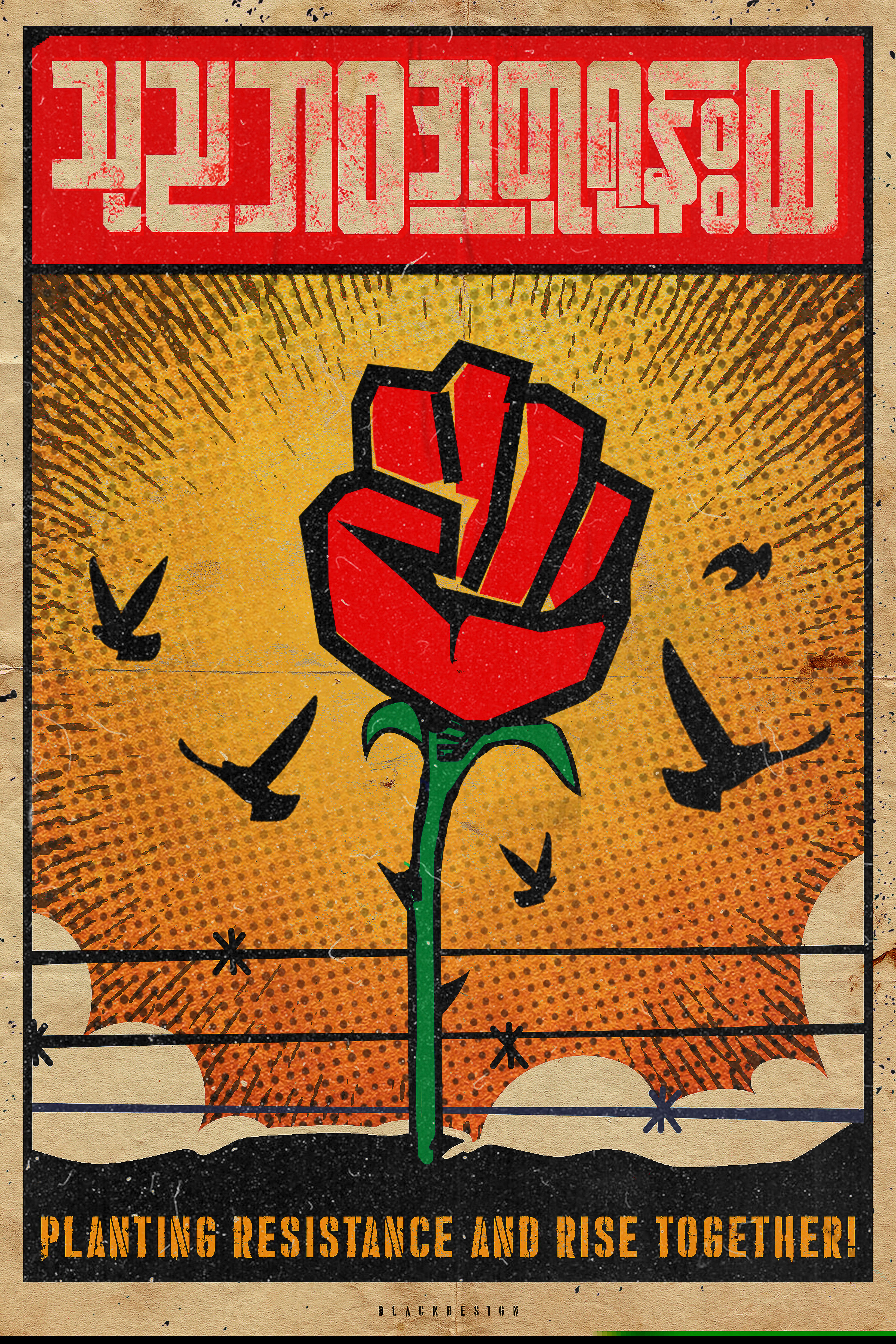
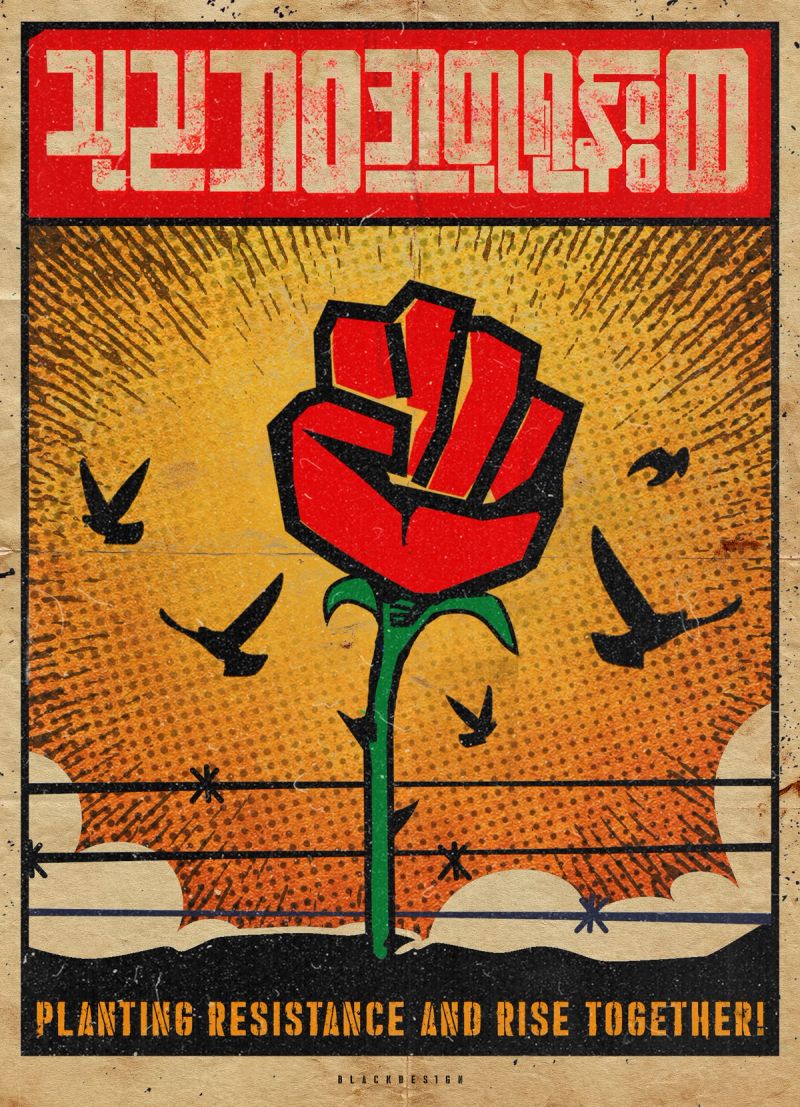
AXM, Rise & Resist, (2021), 16×24 in, Illustrations & Fine Art Cartooning Digital Print - Matte Paper
Stories

STAY UPDATED
Sign up to be the first to find out when new stories and merch drop on THROAT. We respect your privacy and will never share your information with any third-party vendors. For real.