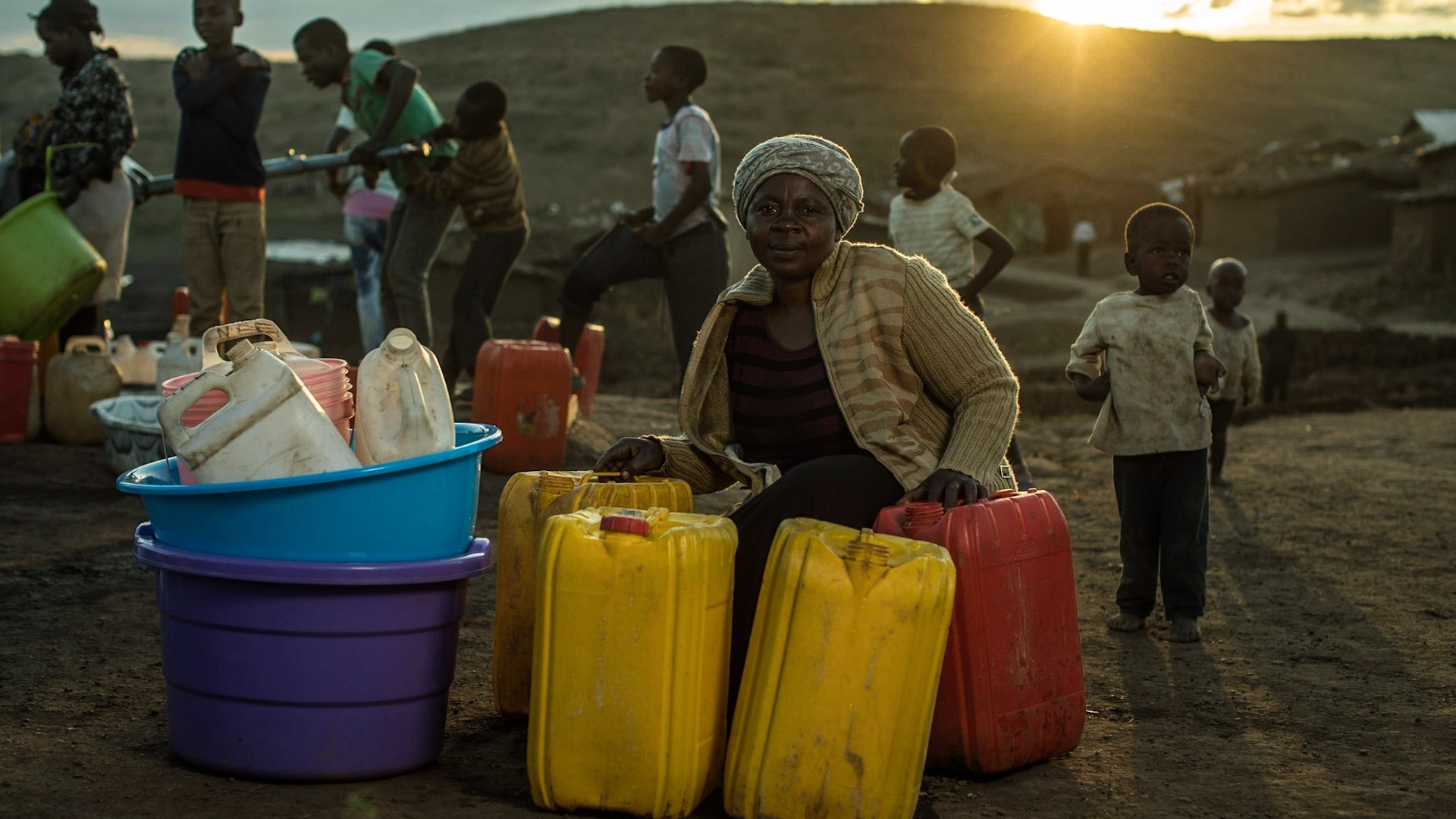
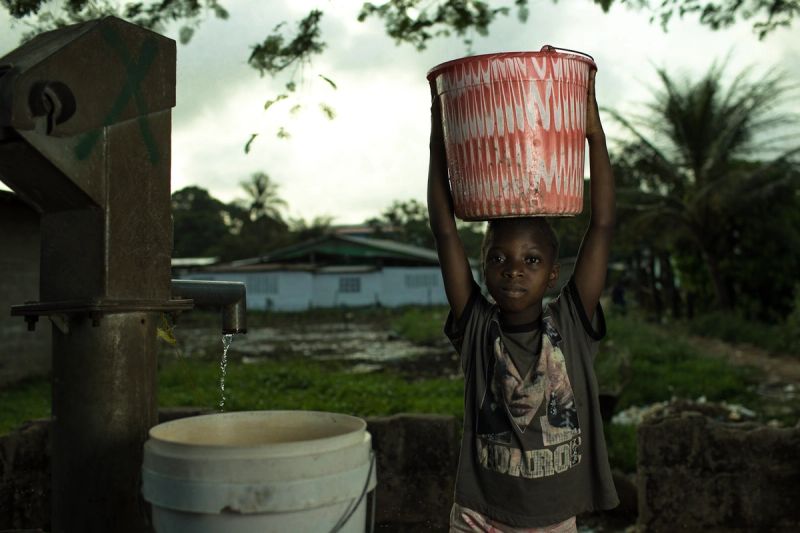
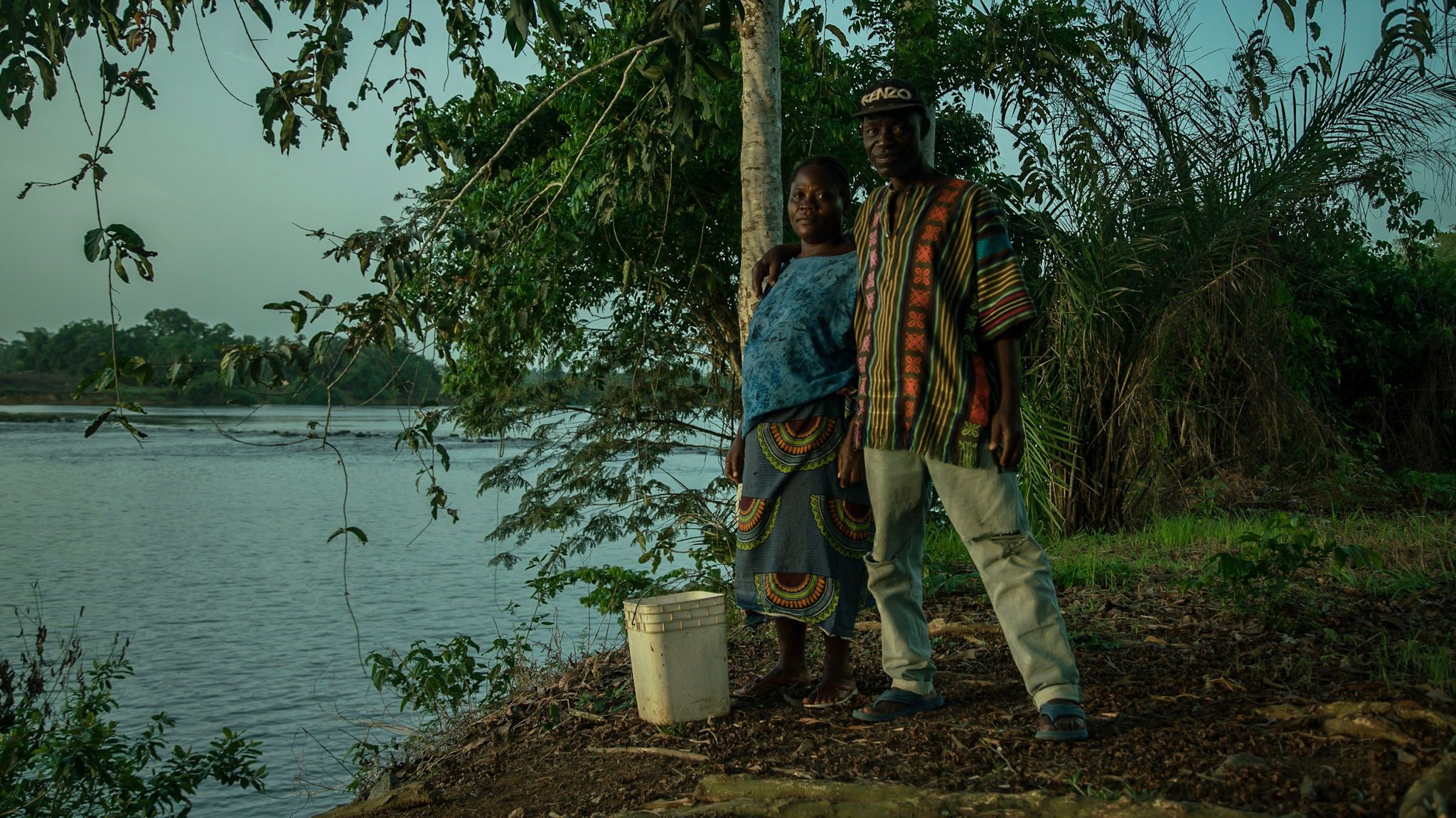
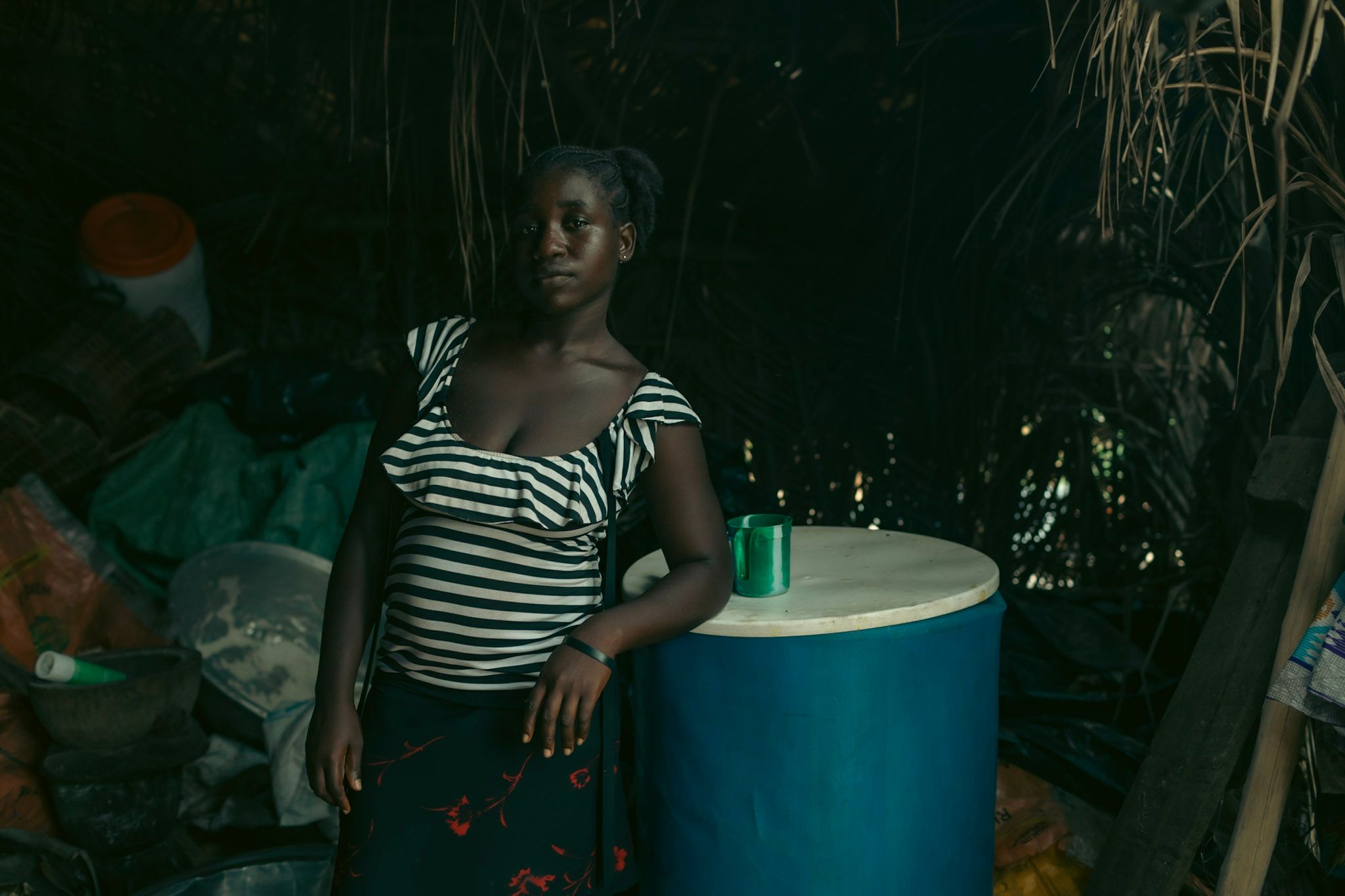
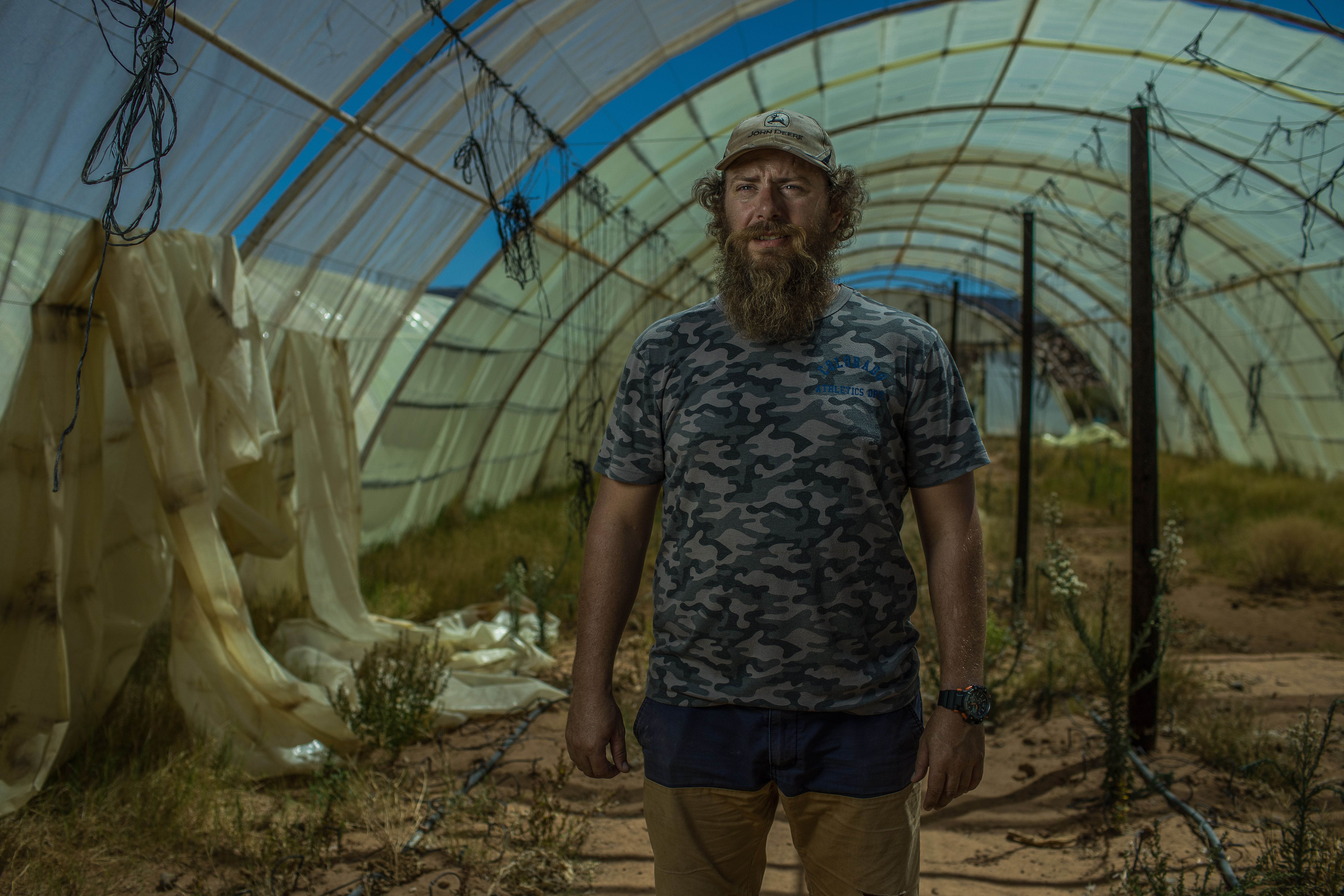
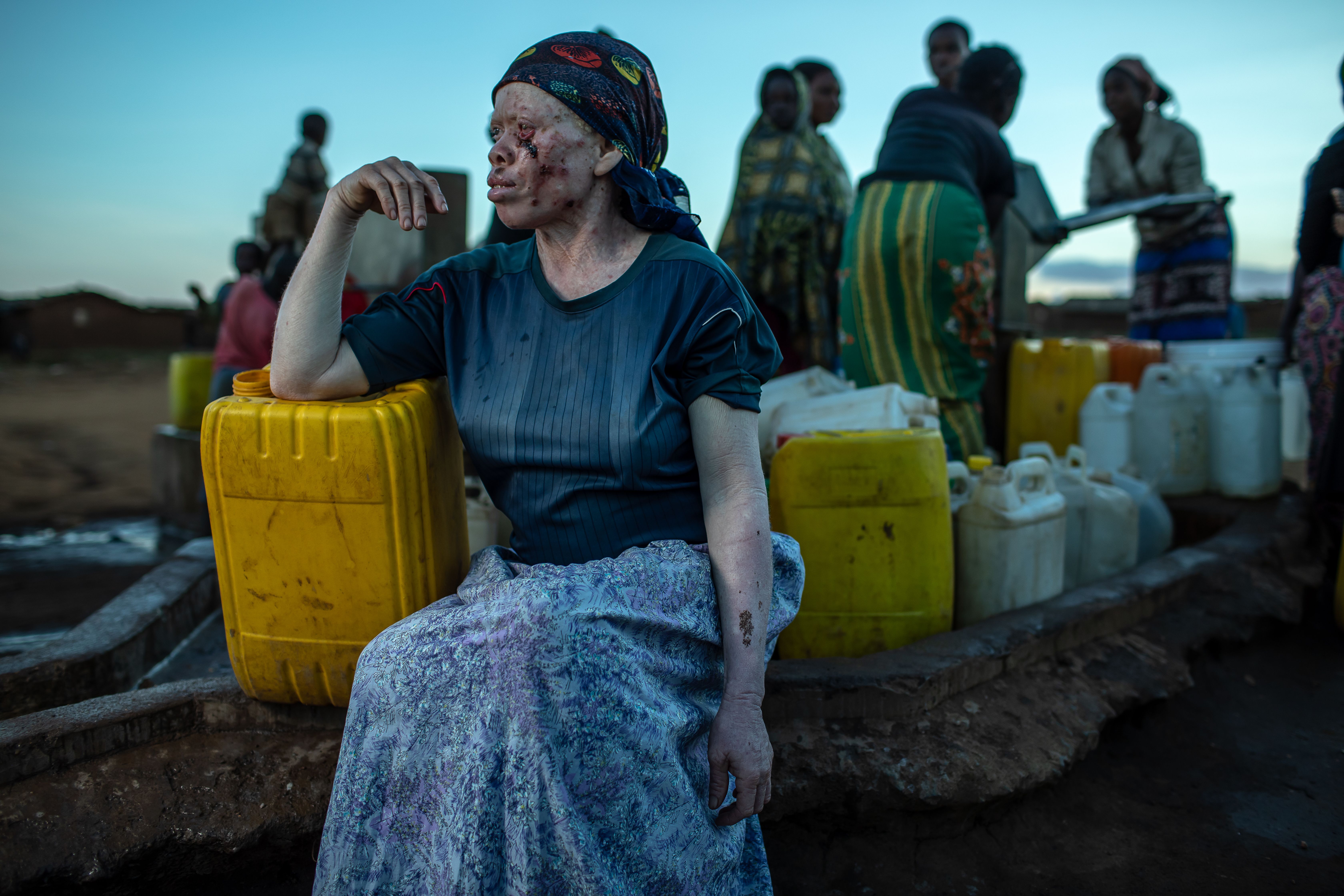
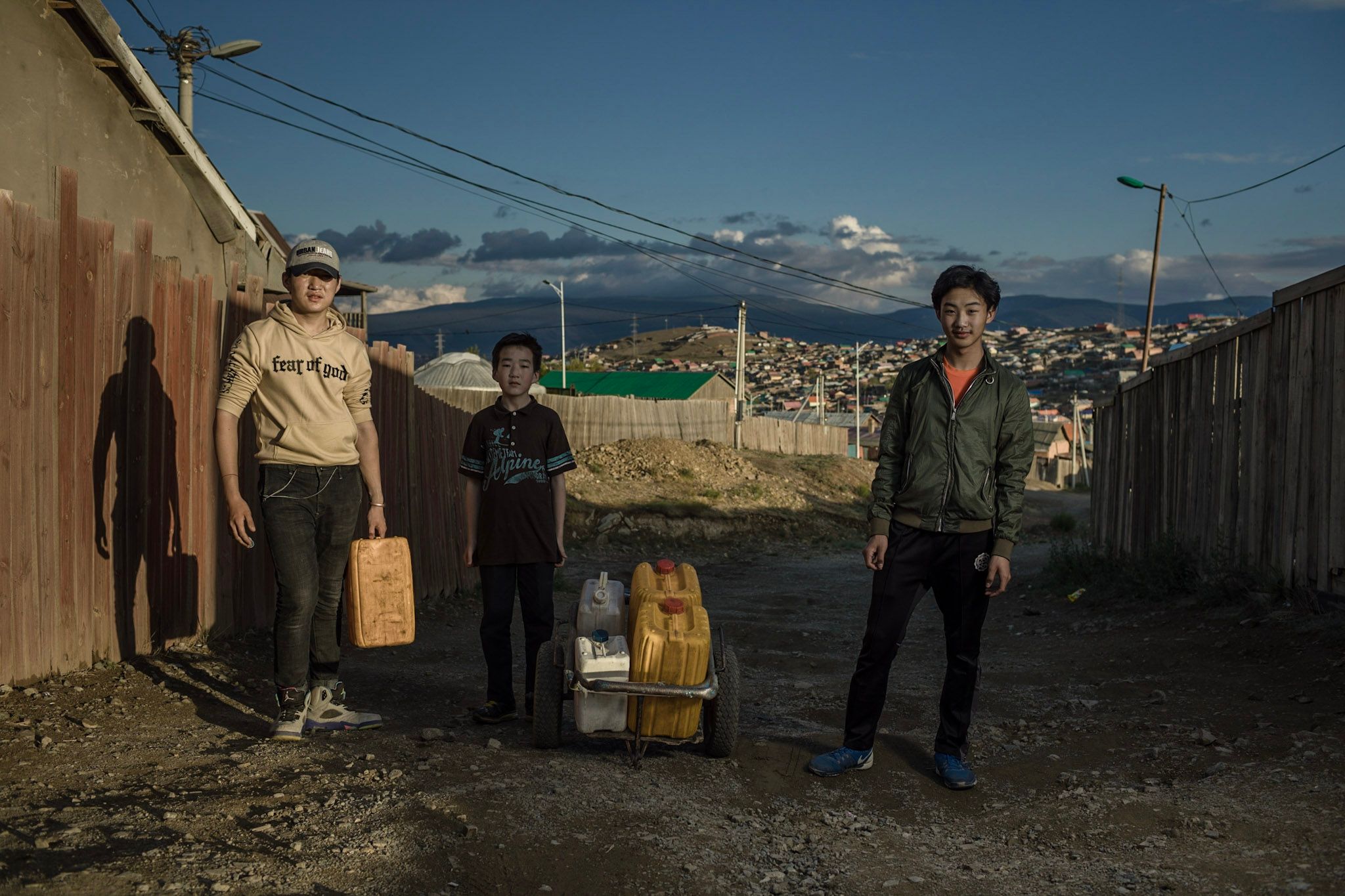
A Daily Mission, 1365x2048 px, 2018. © Morgana Wingard
Unfiltered: Capturing Raw Truth in a Chaotic World
Author: THROAT
What first drew you to photography and what has kept you there? Was it the camera, the story, or something else entirely?
Honestly, I’m not sure I ever had a single “this is it” moment. I first picked up photography in middle school, making a pinhole camera and developing black-and-white film in a darkroom. I loved it, but I never thought of it as a career. The same thing happened in high school—photography was my favorite class, but still just a hobby.
In college, I became a photographer for the school newspaper and saw my work published for the first time. I still didn’t think it could be my job, so I went into graphic design for international nonprofits. But photography kept sneaking in—first as something I did on trips to India for a nonprofit, then as an unofficial part of my design work for an organization in Washington, D.C., where they started sending me on photography assignments simply because they knew I could do it.
Eventually, one of those trips turned into video work. I didn’t consciously decide to become a videographer—my clients just said, “We’re doing video now,” and I figured it out. Secretly, I think I’d always wanted to make that leap, but I didn’t feel ready. It turned out to be the push I needed.
You’ve worked on the frontlines of major global health emergencies. How do ethical principles guide your lens when documenting collective trauma and human resilience?
I find myself drawn to those raw, unguarded moments—when people are at their most vulnerable and authentic. I’d rather be with someone on the worst day of their life than the best, because there’s something incredibly powerful and revealing about that rawness. It’s a side of humanity we rarely see in everyday life, where everything is safe, comfortable, and polished.
In those moments, all the masks come off. No one is pretending or performing—they’re simply showing who they really are, stripped down to their emotions and truths. It’s exhausting and unrealistic to be that raw all the time, but those glimpses of pure humanity are where I feel the deepest connection. In many ways, I wish we could be that honest all the time. It’s in those moments that I find the strongest stories and the truest connections.
At the same time, I often wrestle with the moral dilemma of capturing a powerful moment that can raise awareness or inspire change, while respecting the dignity of someone going through unimaginable pain. There’s no clear-cut answer.
The guiding principle I try to follow above all else is respect. I do my best to sense whether the person I’m photographing or filming is comfortable being documented—sometimes that’s impossible, especially when there are language barriers or they’re in crisis and can’t communicate. When I can, I ask for consent, even if it’s after the fact.
Often, this kind of work requires spending a lot of time with people, building trust, and being present beyond just the moment of the camera. It’s rarely instantaneous. Sometimes there’s no choice but to film in difficult moments, but my hope is always to portray people with empathy and respect, honoring their humanity and wishes whenever possible.
During the Ebola outbreak in Liberia, were there pivotal moments that fundamentally reshaped your philosophy of visual storytelling, particularly when navigating proximity to suffering?
Filming the world’s largest Ebola outbreak in Liberia in 2014 profoundly transformed my perspective on media coverage of global health crises. Unlike many journalists who travel into a situation, I was living in Liberia when Ebola erupted—it wasn’t a distant assignment, it was deeply personal. The outbreak affected me on every level: emotionally, socially, and professionally. It was happening in my community, among my friends, and people I came to know through the crisis.
Because I was already embedded in the community before the outbreak, I had access to a network of people deeply involved in the response. This proximity allowed me to see firsthand how inaccurate and sensationalized much of the international media coverage was. Many major outlets came for a brief period, stayed within tightly controlled bubbles, and failed to do the rigorous research necessary to truly understand the situation. This not only hurt the local community but also misrepresented their experiences.
I also witnessed the troubling dynamic where some organizations prioritized publishing powerful stories as a way to “save lives,” without fully considering the impact on the individuals featured. I saw people being exposed in ways they weren’t ready for, sometimes exploited by international organizations pushing narratives that served their agendas more than those of the community. I remember strongly opposing a client’s plan to create a billboard featuring someone I filmed—knowing it would cause harm more than good—and feeling frustrated when my concerns were dismissed by people far removed from the reality on the ground.
This experience fundamentally reshaped how I think about proximity to suffering and ethical storytelling. I realized how vital it is to respect the dignity, privacy, and agency of the people whose stories we tell—not just to seek impactful images or narratives. It also made me skeptical of outside voices dictating stories without deep local understanding.
If I could do it all again, I would choose to document these stories independently, outside of client-driven projects, to honor the complexity and humanity of the people involved without compromise. This period cemented my commitment to ethical, community-centered storytelling that prioritizes respect over sensationalism.
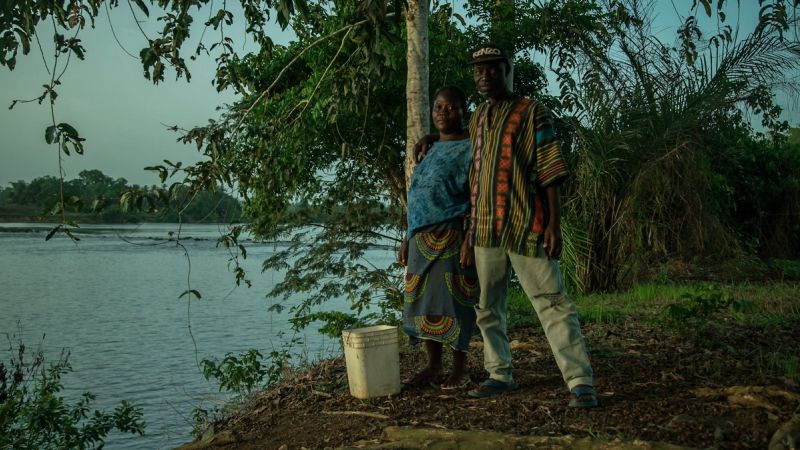
The COVID-19 series spanned two years of uncertainty. How did it influence your technical decision-making, working methodologies, and your understanding of narrative under prolonged crisis?
The roots of my COVID-19 project really trace back to my experience during the Ebola outbreak. Back then, I didn’t work independently, and I always regretted not having full creative control over the stories I told. So when COVID hit, I made a conscious decision to approach the project independently, hoping to apply those hard-learned lessons—telling stories with more honesty and without outside agendas shaping the narrative. That intention guided much of my methodology, pushing me to find ways to fund and produce the work on my own terms.
The COVID project was the first time I really took on the responsibility of finding subjects myself. Previously, I’d always worked with clients or nonprofits who directed me to specific stories or people. With COVID, I had to research and reach out independently, which brought a whole new set of challenges—especially since we aimed to film people in every state within specific time windows.
This logistical complexity shaped how we planned shoots, especially with ongoing health protocols. We took precautions like wearing masks, conducting interviews outdoors, and keeping distance. Interestingly, since many subjects were COVID survivors, they were immune, which lowered transmission risk—a lesson I carried over from my experience during the Ebola outbreak.
To manage this, I leaned heavily on social media and digital tools to find and coordinate with participants, and I hired an assistant to help with research and outreach.
That said, it was a difficult experience. Social media platforms limited our reach, and we even lost access to some accounts without explanation, despite not sharing political content which was a significant setback.
Despite the challenges, the project deepened my interest in exploring the longer-term impacts of crises—like long COVID—and underscored the importance of tying storytelling to scientific research and nuance. Though I haven’t yet realized that vision, it’s a direction I’m passionate about pursuing in the future.
So while it was a tough and complicated journey, it taught me invaluable lessons about independent storytelling, the evolving nature of narrative in a crisis, and the resilience required to keep telling important stories, even when the path isn’t easy.
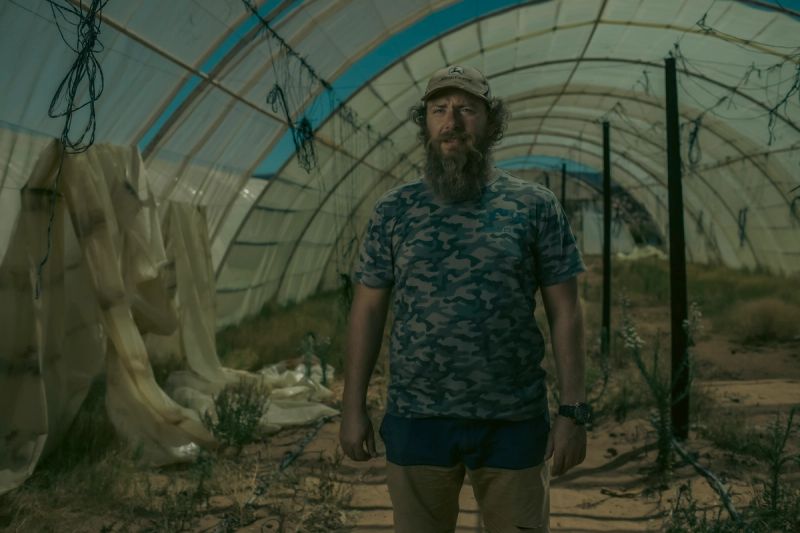
Chronicling trauma takes a psychological toll. What boundaries or rituals help you preserve your well-being while remaining fully present as a storyteller?
Honestly, I think I’m wired differently. For me, the easiest part of my work is connecting with people around their trauma. In fact, I would rather be with someone on their worst day than their best.
I love being present in those raw, unfiltered moments when people are showing their true selves. It’s deeply human and incredibly powerful. Because of that, I don’t really have strict rituals or boundaries around this work—maybe that’s a problem, but it’s how I’m drawn to the stories I tell.
I’ve cried through countless edits and shared tears with people during interviews, but I don’t see that as a burden. It’s an honor. Being allowed into such intimate, emotional experiences is why I do this work. And honestly, if I could, I would do it even more.
Morgana Wingard is an award-winning American photojournalist and documentary filmmaker whose work spans more than a decade and dozens of countries. Specializing in social reportage and international development, she has collaborated with organizations such as UNICEF, USAID, and CARE, as well as global brands and grassroots initiatives. Her photographs and films—whether capturing the resilience of adolescent girls in remote villages, the intensity of wildfire aerial operations, or the quiet intimacies of everyday life—are anchored in empathy and a deep respect for her subjects.
Artworks by Morgana Wingard
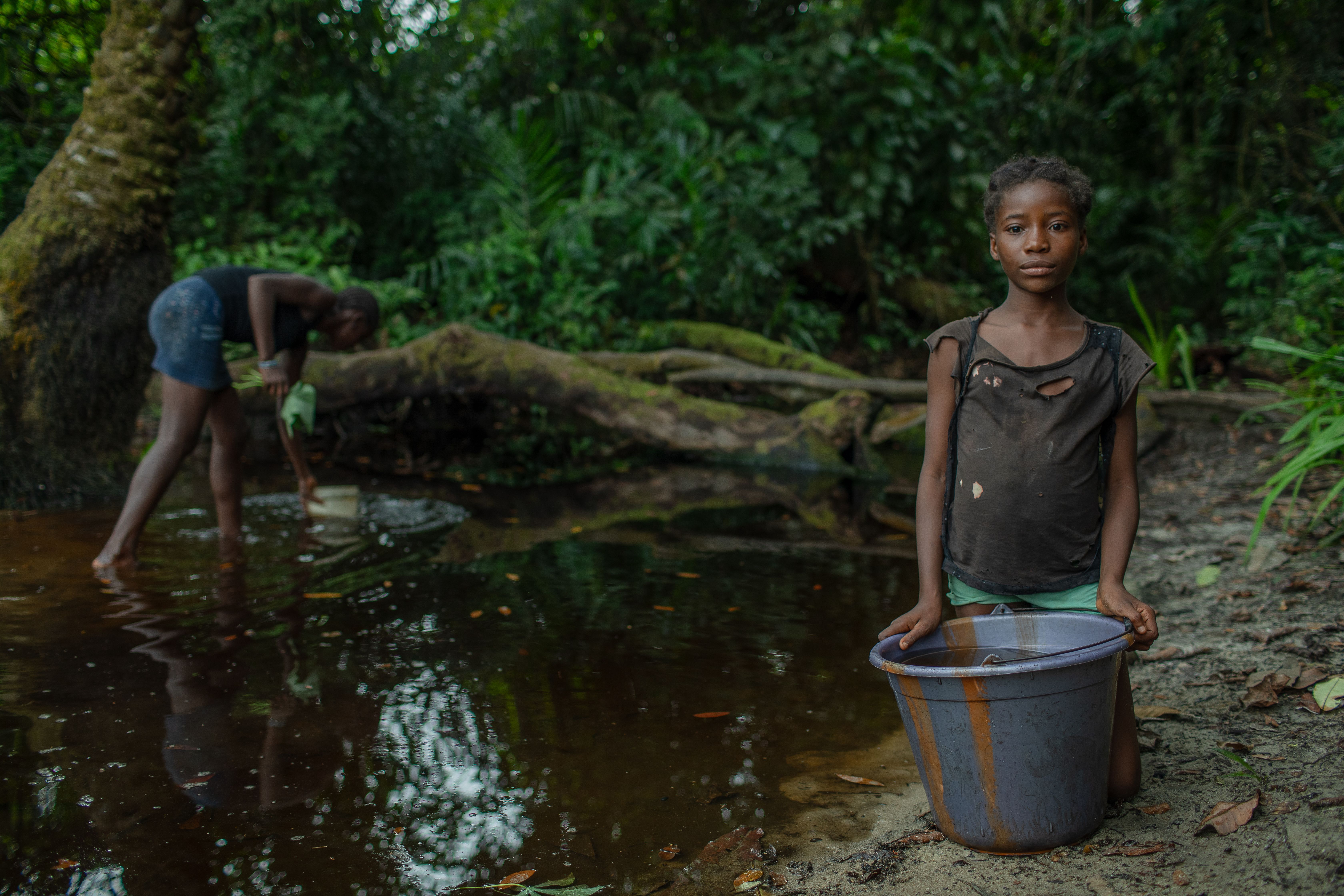
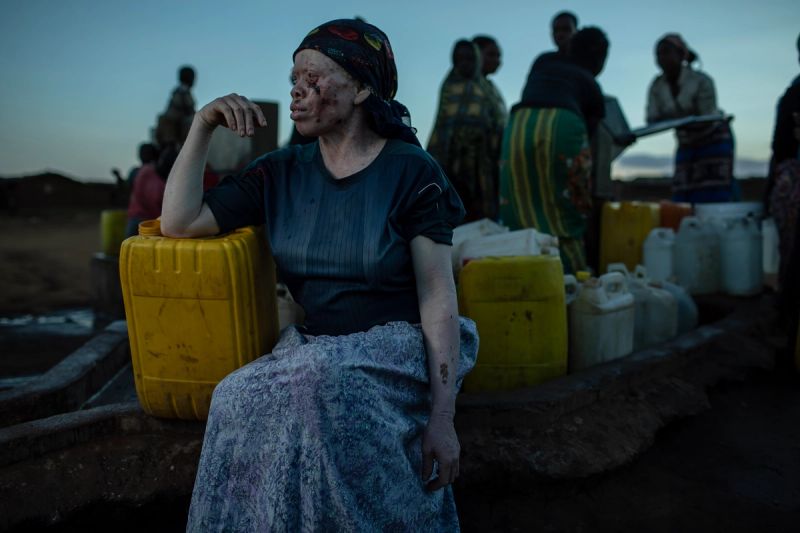
Morgana Wingard, Young Girl by the Stream: The Burden of Water Collection, (2018), Photography Digital Print
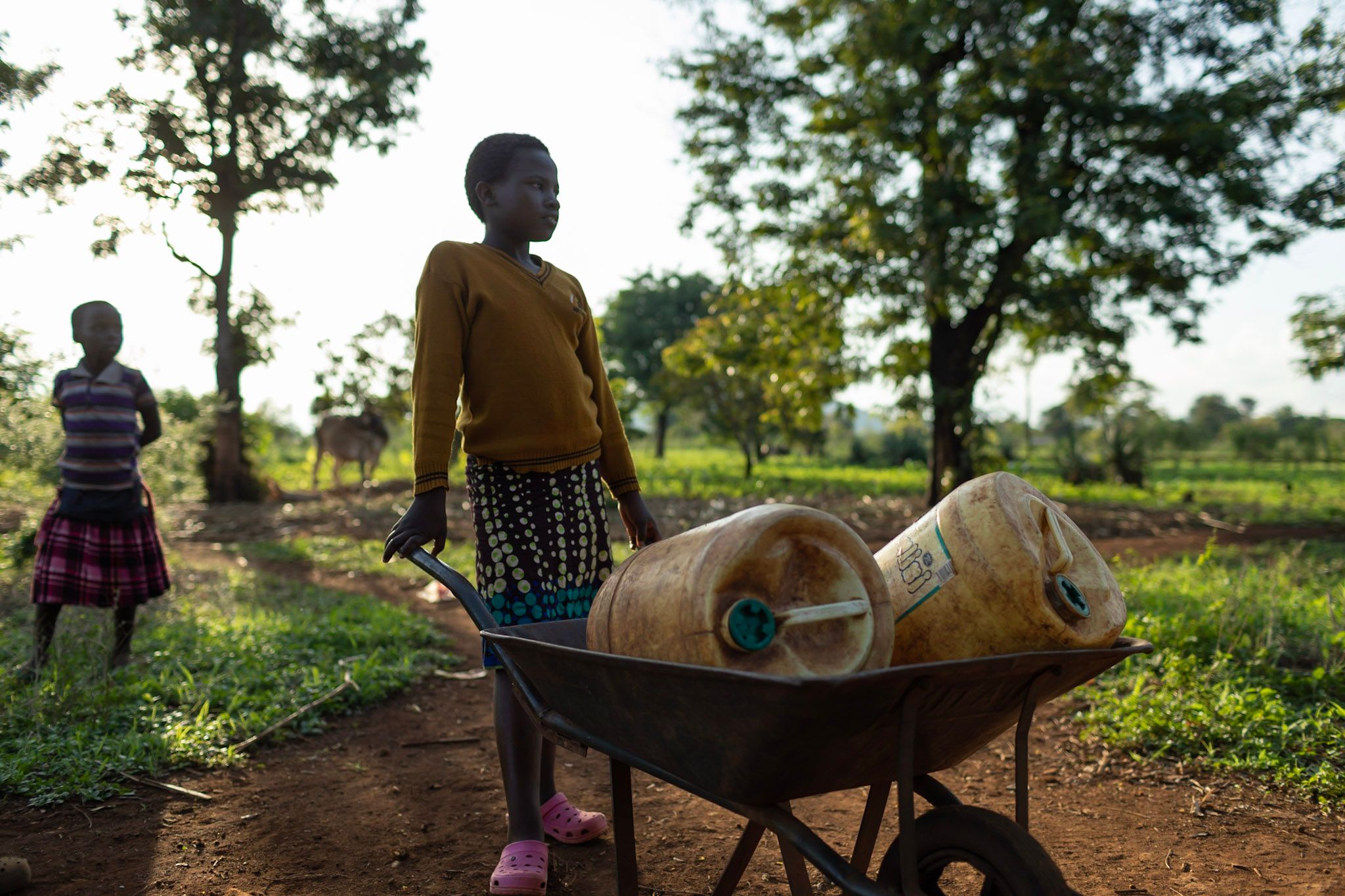
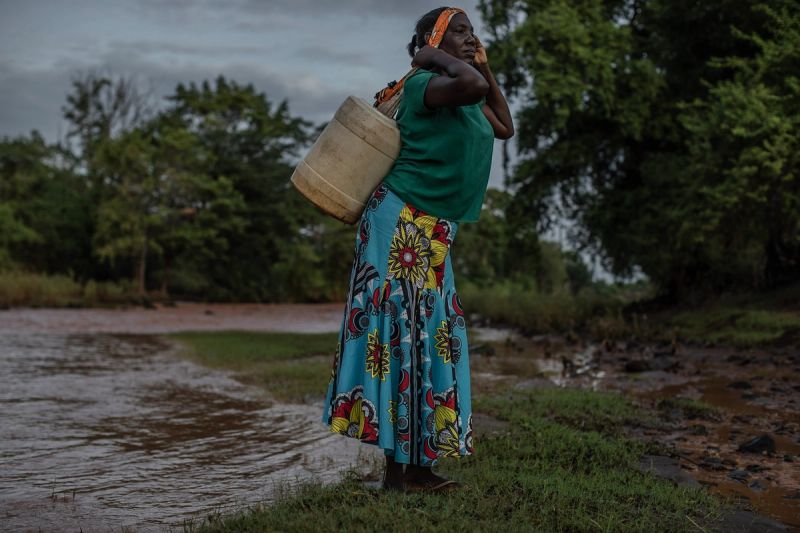
Morgana Wingard, Carrying the Weight of Water: A Young Girl’s Task in Kenya, (2018), Photography Digital Image
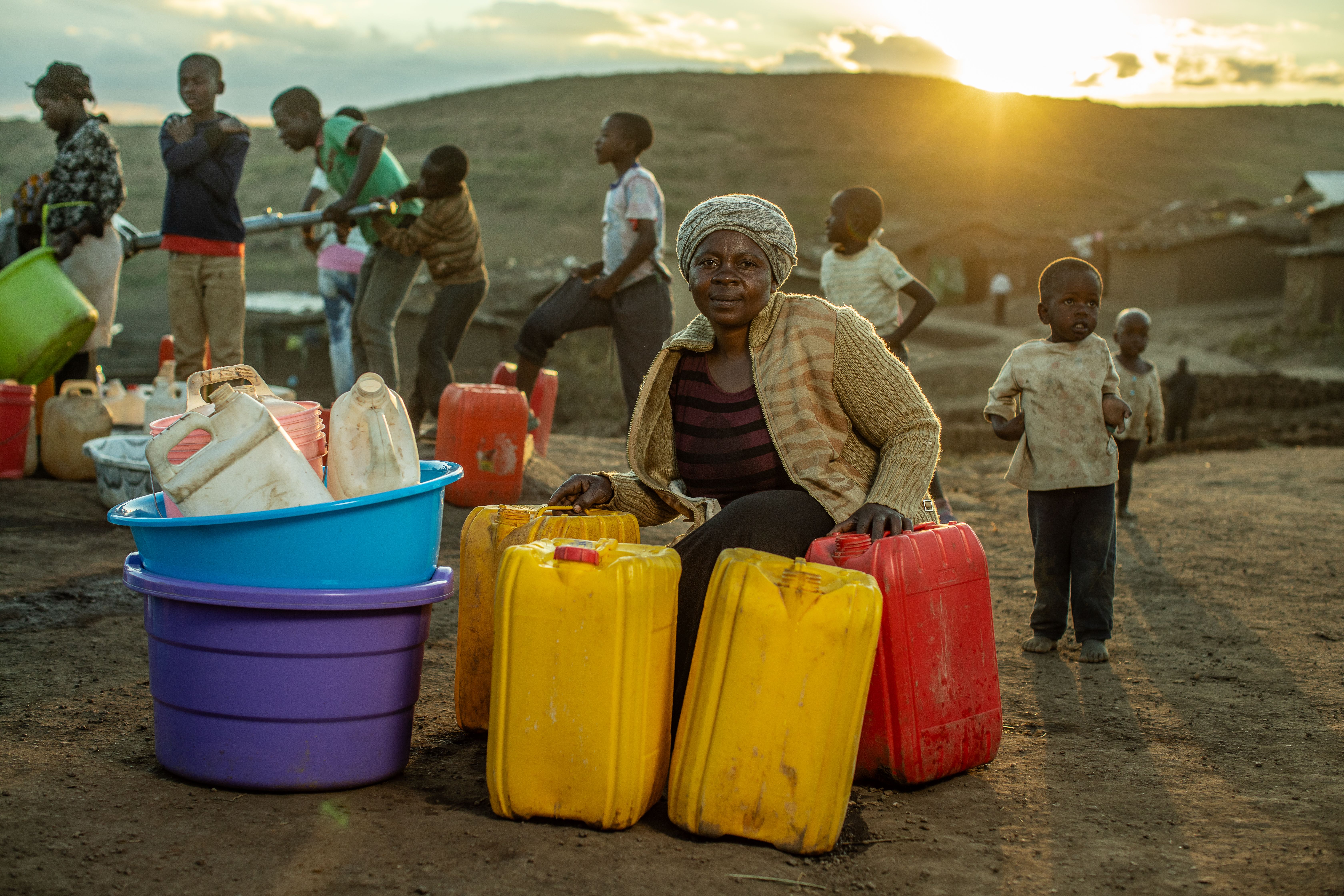
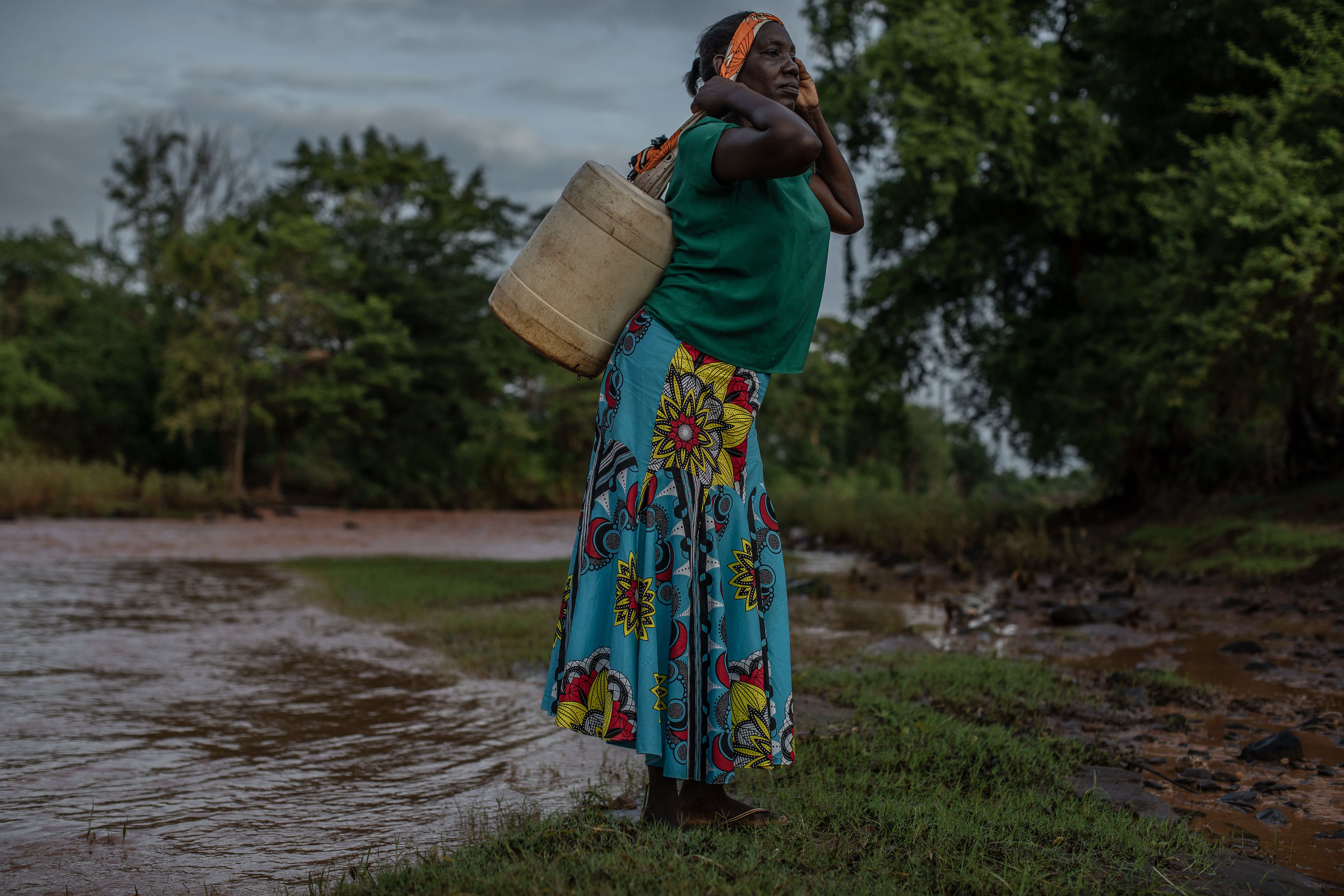
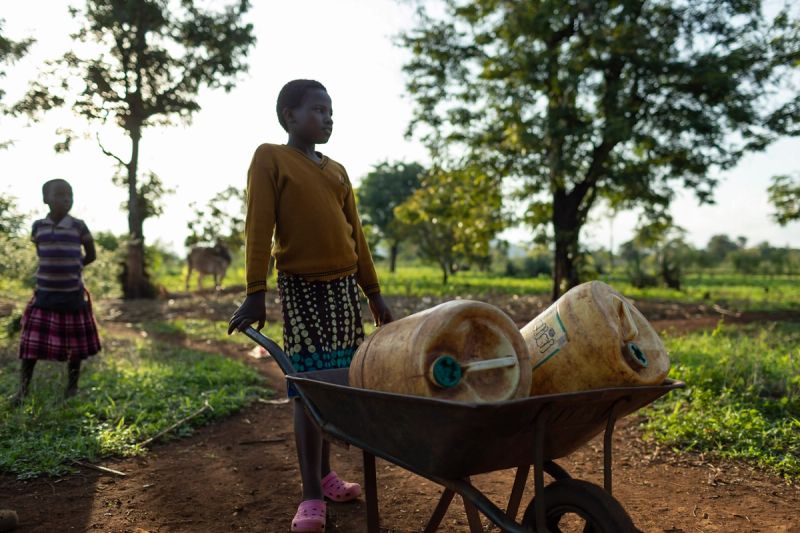
Morgana Wingard, Strength in Routine: Carrying Water in Rural Kenya, (2018), Photography Digital Print
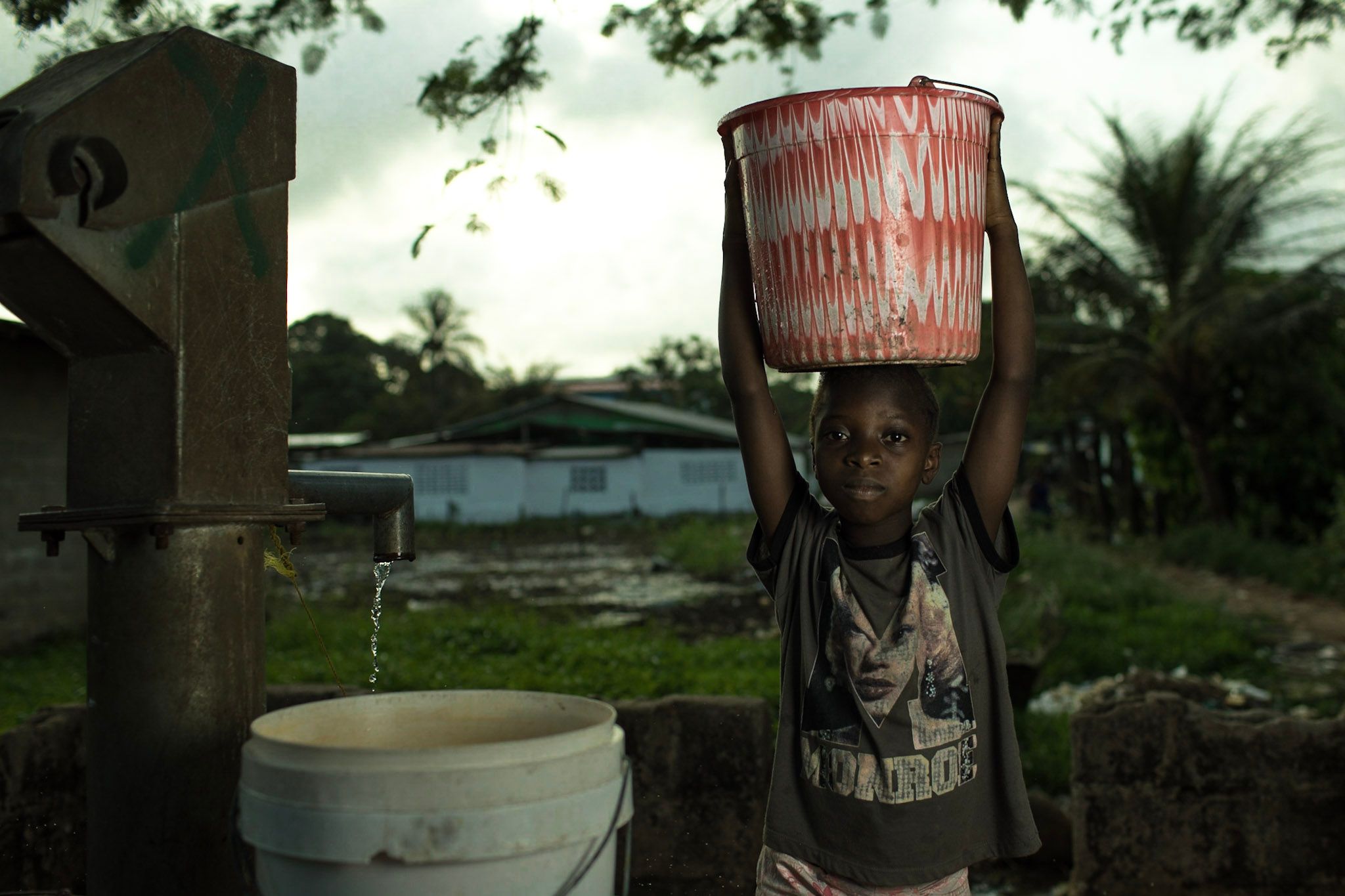
Other Stories
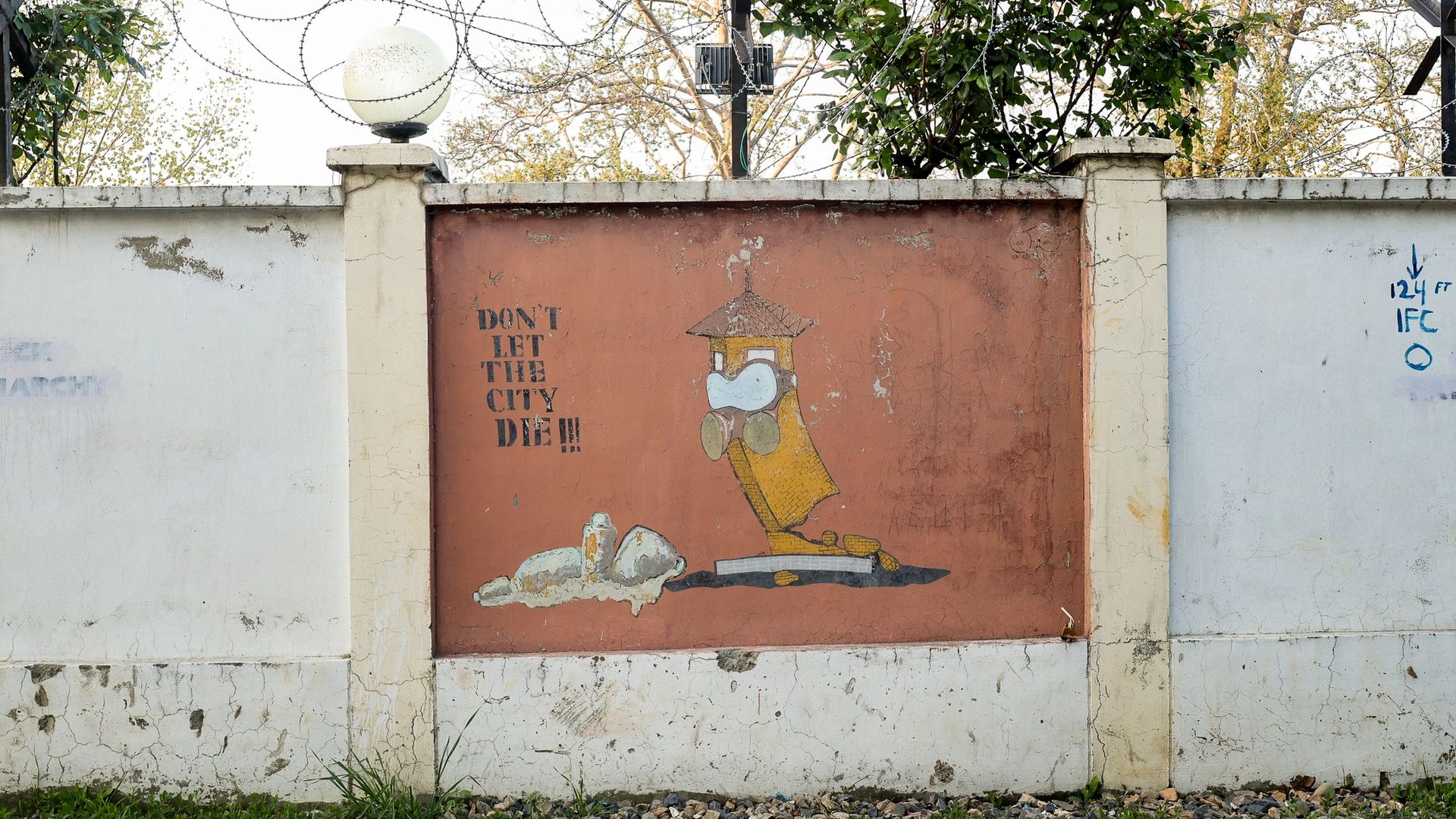
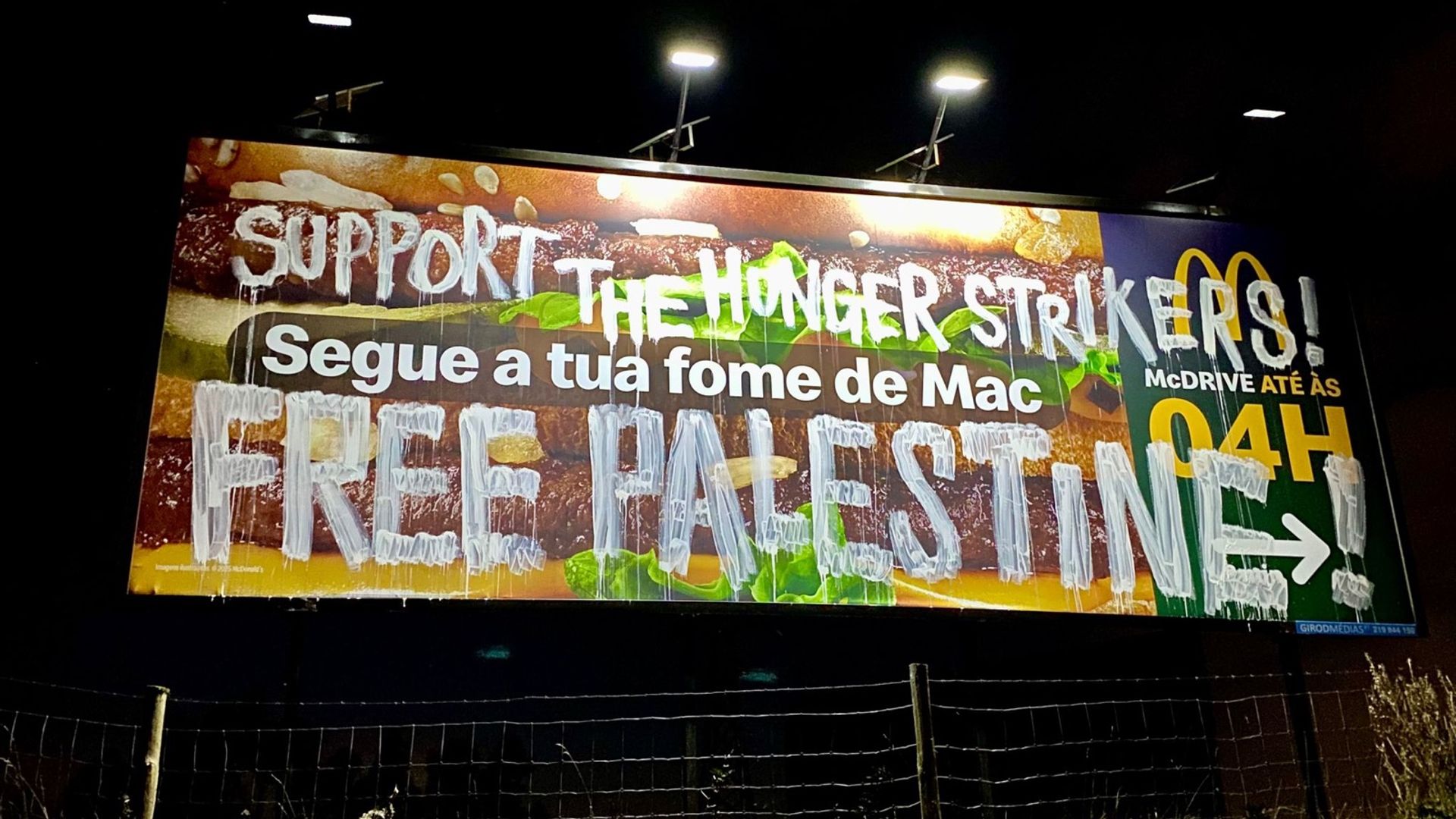
Let Us Spray: Graffiti in the Fight Against Techno-Fascism
“Genocide in Gaza has changed everything. Radicalized more people… From Gary Lineker and Kneecap or Bob Vylan, to Miss Rachel, speaking out is normalized. And from BlackRock to Palantir, exposing how imperialism IS capitalism, and has to be challenged.”

STAY UPDATED
Sign up to be the first to find out when new stories and merch drop on THROAT. We respect your privacy and will never share your information with any third-party vendors. For real.