
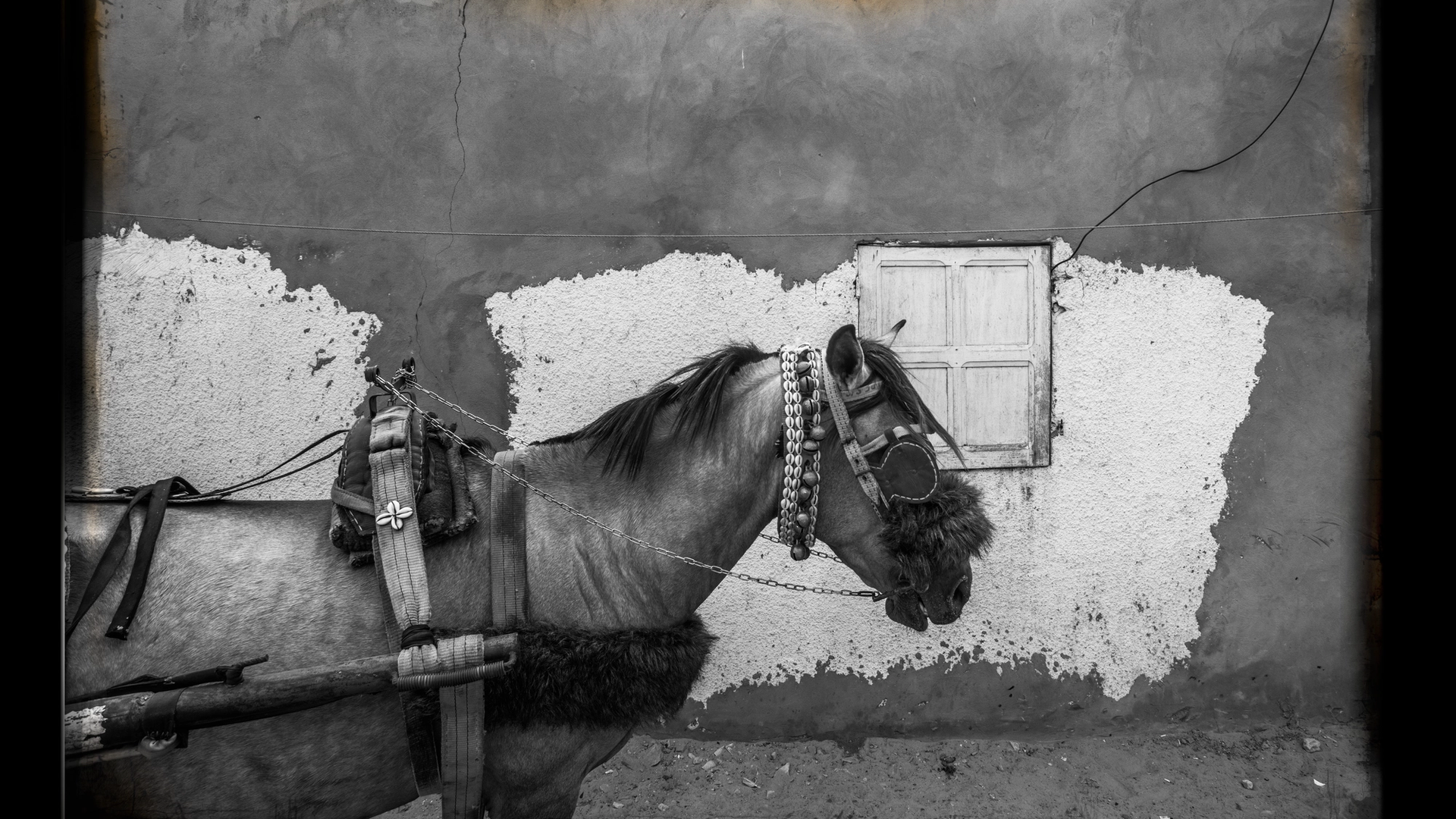
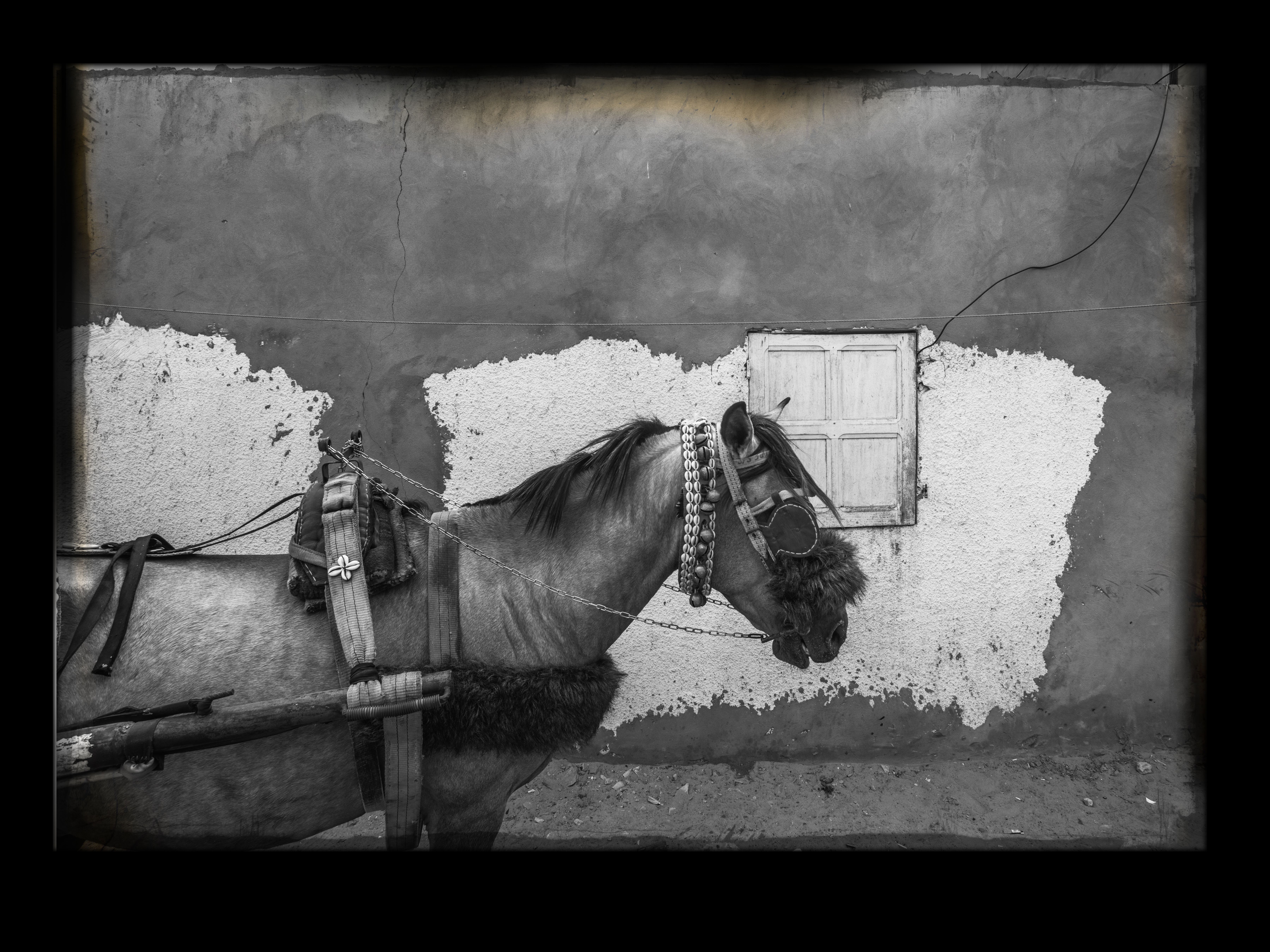
The Silence of Trees, 2023. 24x18. This photography series captures equine functionality within transportation and manufacturing in Diamalaye and greater Dakar Senegal.
Built for the Long Condition
Author: THROAT Staff
Stephon Senegal, a native of Lafayette, Louisiana, grew up within a tradition he describes as both heritage and apprenticeship. His grandmother and mother were harbingers of these traditions. Unaware of its power, they raised him to adhere to its tenets. Each week at the edge of steel picnic tables, his Creole elders delivered their sermons and forged his foundational understanding of what it means to carry history. These histories did not begin in America, but through the Caribbean and South America, they trace back to the Western regions of Africa. As messenger or trailblazer, Louisiana Creole culture encoded an African ethos in the folds of religion and language. Whether with fusions of dialect or syncretized sacrament, in his estimation, these vessels of culture are talisman, contents unknown, awaiting those so tasked, to reveal, to believe, to correct.
The correction started with an observation. The very communities that shaped his traditions and his outlook were absent in the rooms were his artistic practice had found notoriety. "The people I fight for, the people that drive this work. They are not here," he said. "By design they have been removed from the process of engagement, whether in analysis or observation” So, he changed the process.
This is not an unusual observation. It is one of the oldest and most consistently ignored problems in institutionally supported American art. The galleries, the residency program, the professional degree pipelines are not located in the Liberty City of Miami or the Marcy Houses of Brooklyn. The communities that fuel the content rarely control or access the product.
Senegal has a specific account of how this happened. Whiteness, he argues, is a relatively young moniker. Invented as a management tool and deployed unwitting by plantation owners in the colonial United States to prevent solidarity between European indentured servants and enslaved Africans. The solution, convince the lowest man, physically inept and mentally inflexible that his opportunity for uplift is not in meritocracy but pedigree, albeit a manufactured one.
"Prior to that," he says, "White people did not exist. They were Irish or Italian but not white" The category was conceived strictly in opposition to the African phenotype and philosophy. The loose associations of class and situationship was drained of any shared political ground it had briefly occupied. His practice seems to assert a battle to reclaim a ground and materiality that predates Hellenistic myth or classical histrionics which inform Judeo and Islamic predominance. In his estimation: "We are fighting for what we are and always have been; we are fighting to make this world recall its Africanness."
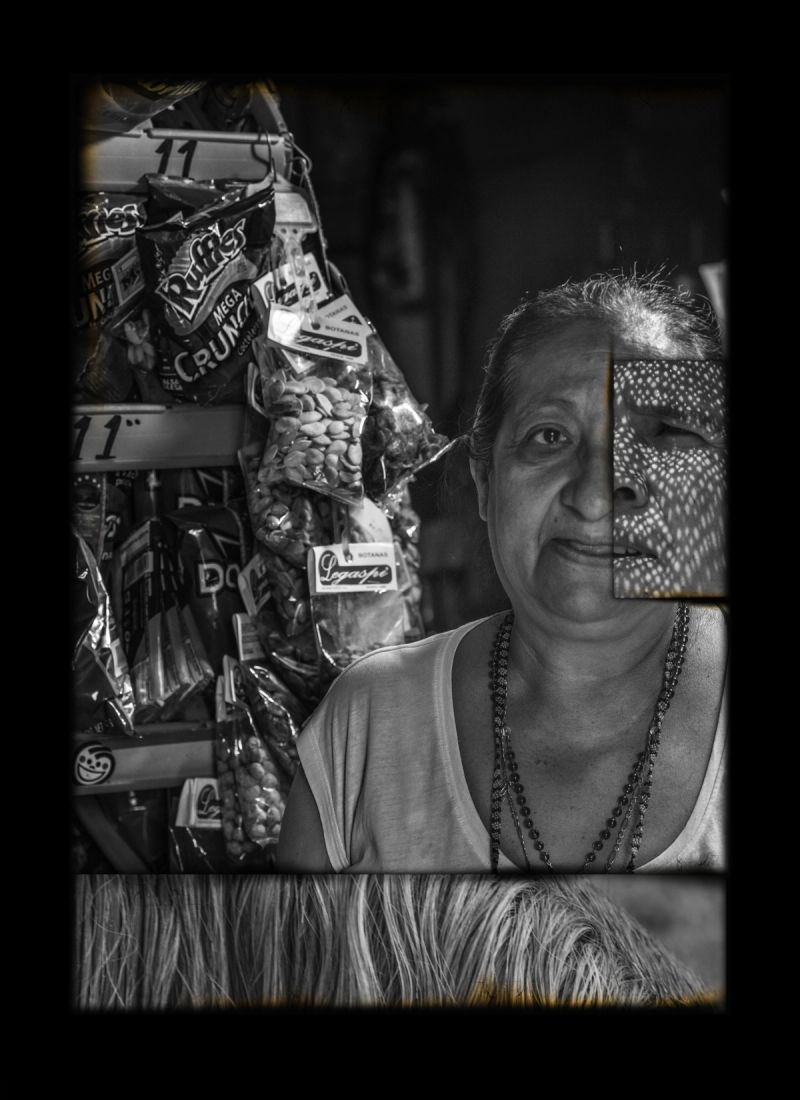
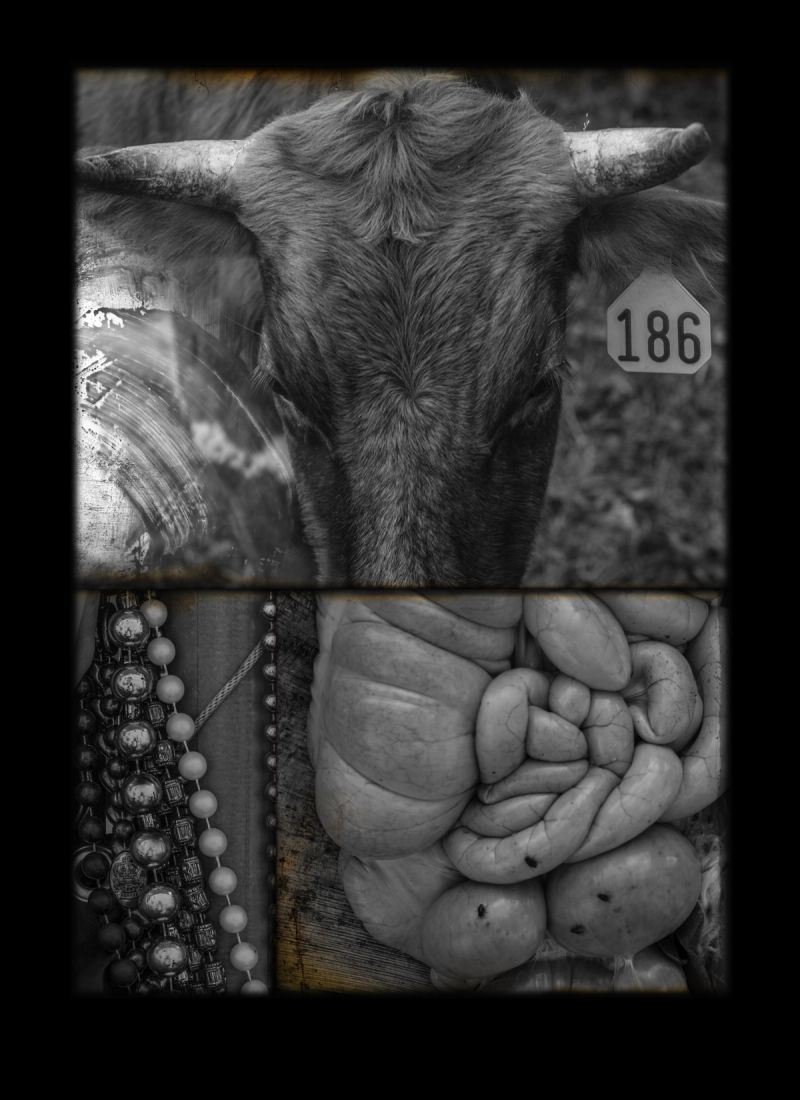
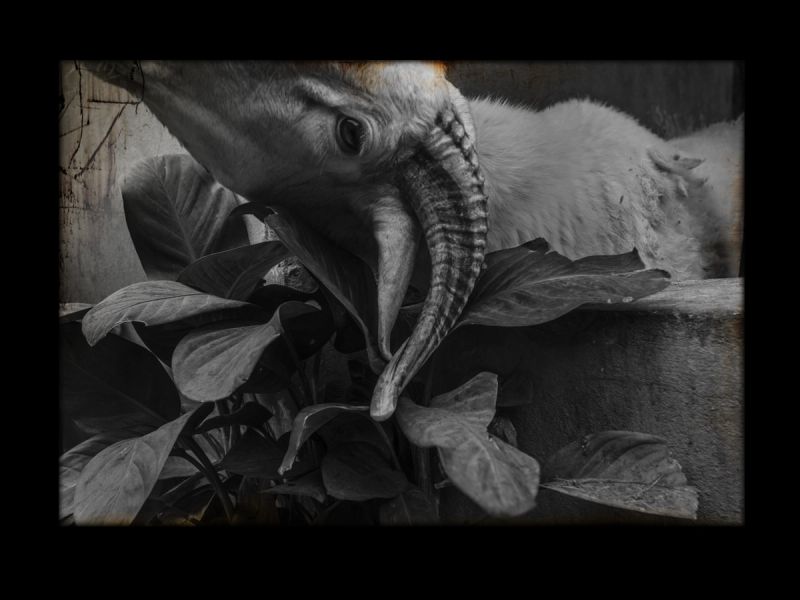
Whether assemblages, photography or painting, his work delves into a space where figuration, animal or human, becomes a vehicle for ritual. Held together using disparate materials or competing visual languages, his work operates by the same logic as the tradition he inherited. A fusion. Based in Creolization, his work explores, as he terms, “the Kemetite, Senegambian, Malian edifications” among many other that built this nation and its predecessors.As odes to African pantheons, he strives to unpack what many have chosen to misremember.
As an example, Senegal’s public installations in public housing complexes are in his view a collaboration. He brings people in, residents, individuals from different backgrounds as stakeholders. "They are part of the work" he said. "They don't know that they're part of the work but undeniably they must be." The conversation, the argument, the simple act of sitting together, all of it is source material. It requires, he said, "a different type of navigation. You can't steer reclamation alone. So, to use a remix of the proverbial raising a child. To raise a rebellion, it will take a village"
Function matters to him in a way that is easy to miss. He does not frame what he does as activism using conventional logic. "Protesters, in a sense, are asking and begging for the opportunity to change their situation," he said. "I find it far more functional to employ the change." In South Carolina, that meant teaching a group of young Black girls self-defense, but not from any system you would find in middle America. The style he taught was rooted in a martial art system from Angola. Used as a method of retaliation against slaveholders in the Carolinas, the fighting style and location were deliberate notes of a far bigger statement. It was functional in the immediate sense, as these girls were learning a means of protection, but it was connected, without announcement, to a history and an identity that preceded the American categorization and attack on the African body.
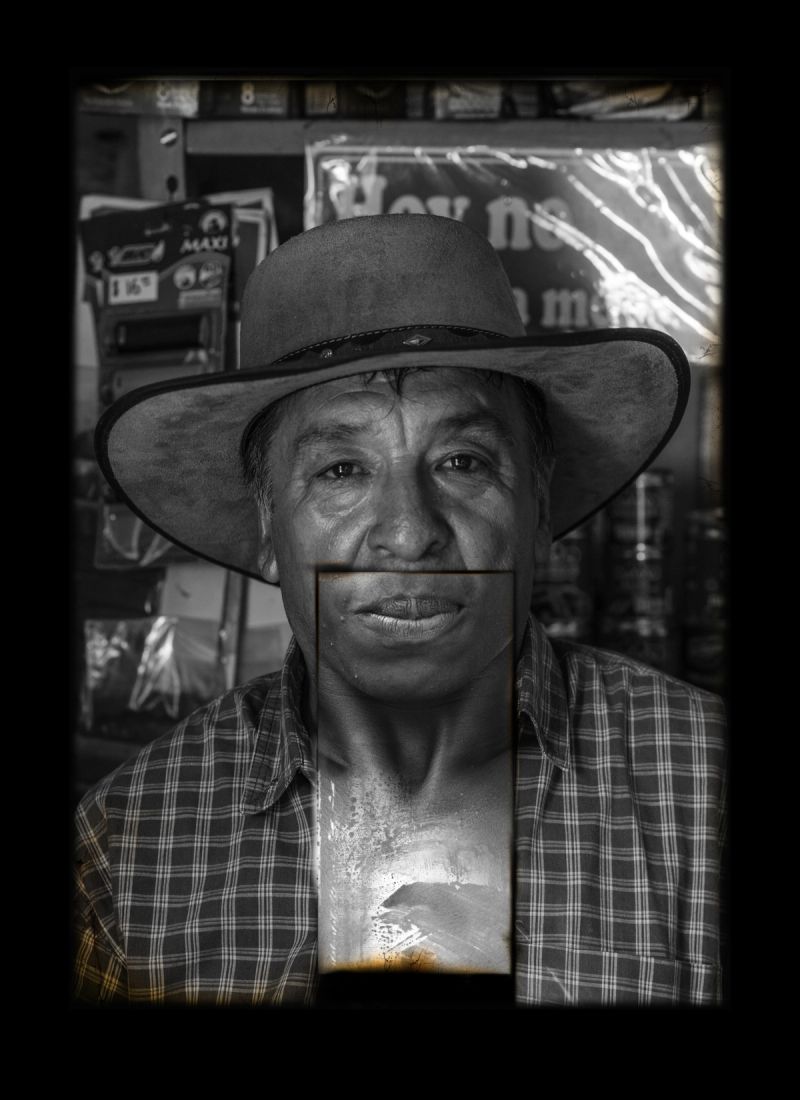
This is a departure from how the learning institutions that credentialed him, typically understand the relationship between artist and community. In those frameworks, the artist is the author. The community is the context. One of Senegal's artist statements describes his work as "a visual portrayal of the deconstruction and reconstruction of the human psyche in the aftermath of mutilation, deviance, and aggression." The galleries quote it. The institutions that awarded him residencies quote it. Whether any of them have engaged in serious public discourse about what it actually says, about what was done to the bodies his work depicts, and by whom, and under what legal and economic arrangements that remain substantially intact, seems to be elusive at best.
On his concern for the current political moment, rumors of war, federal civil rights rollbacks, law enforcement, funding cuts to communities of color, expansion of private prisons; Senegal does not use the word worried. "There's no surprise," he said. The mechanisms now operating openly were always there. In summary he says what has changed is that the denial has been withdrawn. But within the trenches of his intellectual musing, his upbringing laced with an unapologetic dare reveal a duality as his southern drawl rears. "One can no longer hide in the folds of ignorance. Feel me? This contemporary space very plainly asks, does your bite match your bark.” “If you about that life? Show me then”.
His practice is not built for the news cycle. It is built for the long condition.
Senegal's art practice examines subjugation and rebellion in the context of colonization. He uses assemblage, performance, and sculpture to narrate how colorism and syncretization operate as stratagems against imperialism.
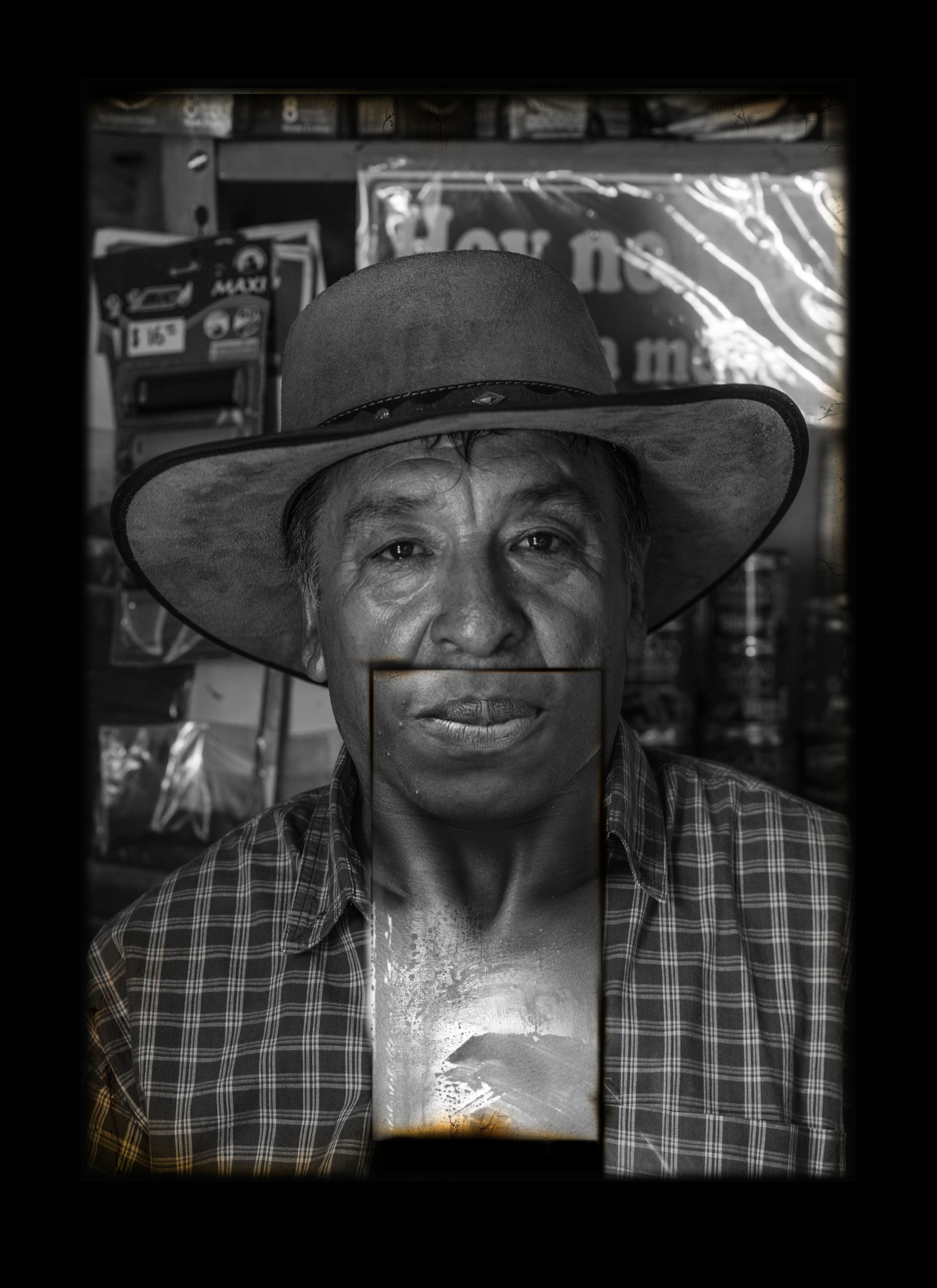
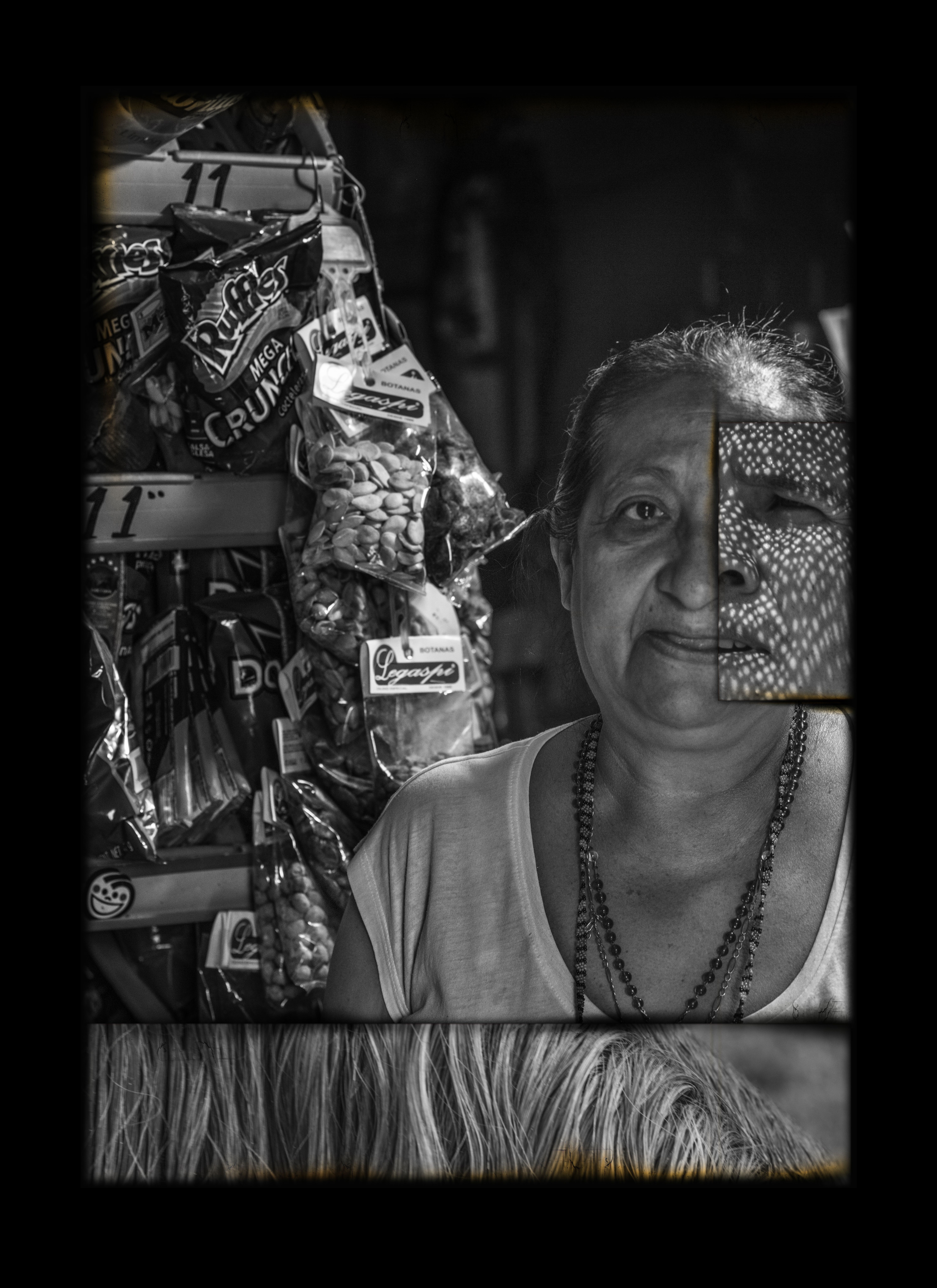
Artworks by Stephon Senegal
Stephon Senegal, If Only They Would Run, (2019), 32×44 in, Photography Archival pigment print on matte cotton paper
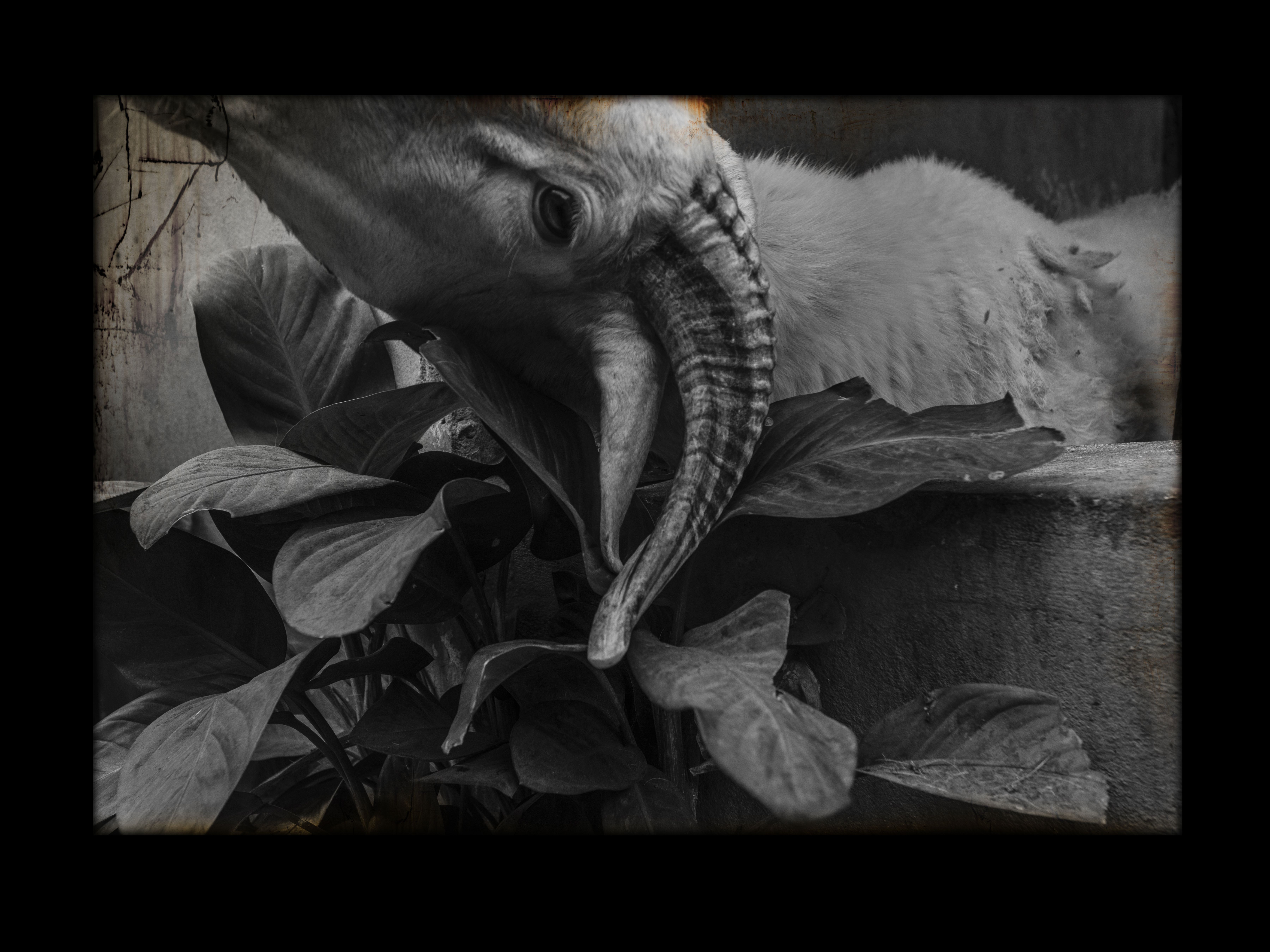
Stephon Senegal, Waiting on a Sunless Moon, (2023), 24×18 in, Photography Pigment print on cotton rag.
Stories
STAY UPDATED
Sign up to be the first to find out when new stories and merch drop on THROAT. We respect your privacy and will never share your information with any third-party vendors. For real.